
In Conversation – Dancing Through Memory, Nicholas Paskhover on Love, Loss and ‘Dance With Me’.
Nicholas Paskhover began filmmaking with an active imagination. A borrowed camera ...

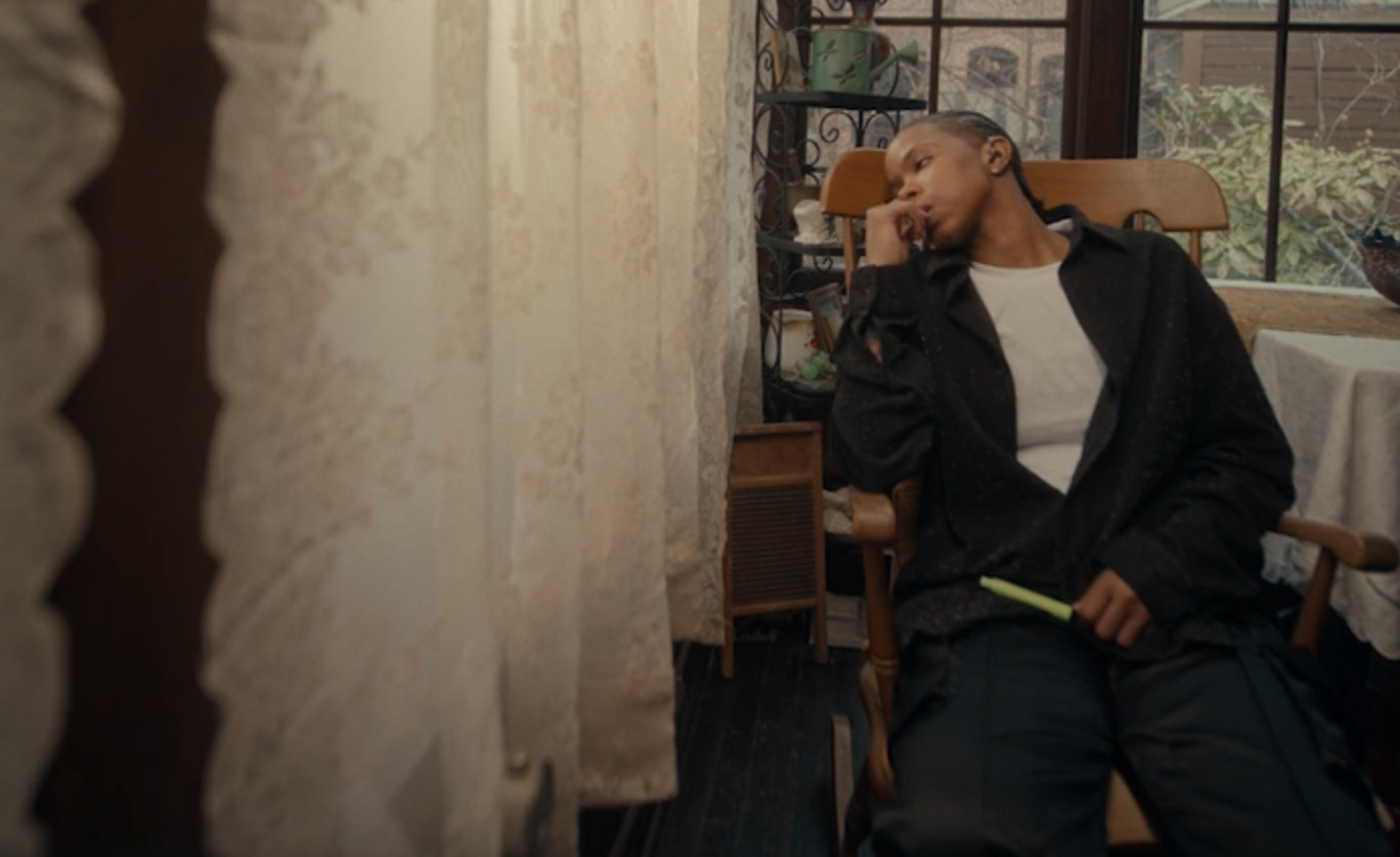
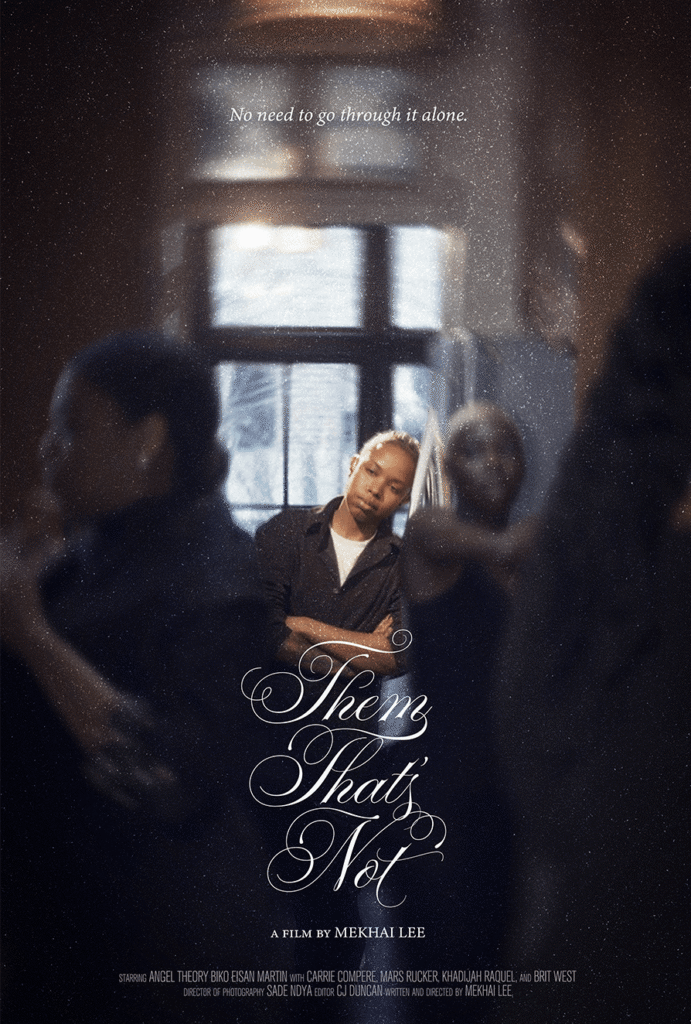
‘Them That’s Not’ is one of those films that doesn’t rush to announce itself. Instead, it breathes slowly, like a good memory, warm in your mind but also heavy in your heart. I believe that was exactly the intent the writer and director Mekhai Lee had for it.
From the moment the story begins, the viewer is introduced to a welcoming brownstone that fills up with family food, chatter and what feels like inherited love that has its own secrets and unspoken regrets. Nonetheless, it feels like a home, even if you are only visiting it through this film.
At the centre of the narrative is Drea, a deaf young lady who, like the rest of her family, is there to grieve the passing of her grandmum. From the opening scene, we learn that she is deaf. But the narrative in a few scenes reveals that she is also a talented poet looking to get some support and encouragement from her family. But she is more emotionally weighed down by the strained relationship between her and her father.
Samuel (Biko Eisen Martin) arrives at the gathering, and then immediately, we notice that there is tension in the air, thick and tangible even without a word spoken. The camera lingers on his face, and then on Drea’s, but it is the space between them that says the most. Yet she meets him with avoidance. She looks past him, as if refusing to see him will help her avoid the years of absence he represents.
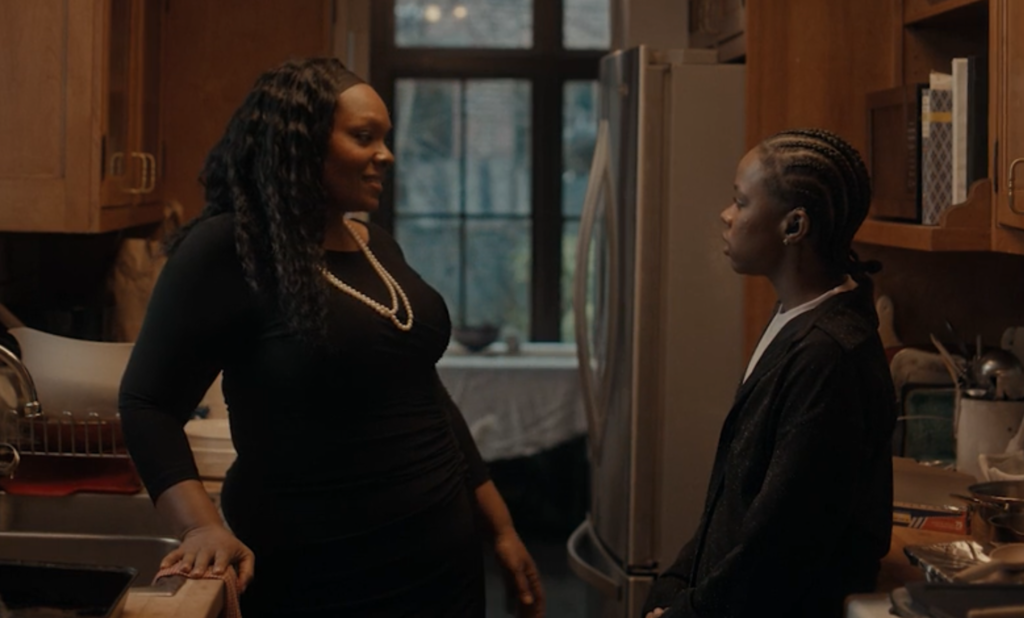
When we learn that Samuel is her father, who is incarcerated, released only briefly to say goodbye to his mother, everything suddenly becomes a bit clearer for the viewer. The distance that Drea chooses to keep is understood. The grief she is dealing with is doubled. It’s not just a grandmother she has lost, but the possibility of a father she never really had. The estranged relationship between them pulses underneath every interaction, or rather, every lack of interaction. As much as she acts unfazed, you can feel the ache she’s trying to hide. She misses him. She resents him. She needed him. And now he stands in front of her with time already running out.
Angel Theory plays the character Drea with a well-grounded performance that is both guarded and exposed. You can see her fighting herself, trying to remain hard, yet trying not to break. But her vulnerability sits right beneath the skin, trembling at the edges, threatening to spill over with the slightest touch. It sits with her in the discomfort, in the longing, in the anger. Biko Eisen Martin matches that energy with his delivery of the character Samuel. A father who realises and accepts his mistakes and is willing to make an effort to make things better, even if he doesn’t have enough time to. And when the two finally have their moment to speak to each other, the heart and the life of this narrative are felt.
One of the most compelling qualities of this film is how it uses sound not as decoration but as language. The sound design becomes Drea’s perspective. Sometimes all we hear is a ring, soft but unignorable, as though her hearing impairment is gently pressing against us. At other times, the audio gets level and we hear the other characters speak. It’s intentional and deeply empathetic. We aren’t just watching her experience; we are being invited to feel it, and it’s brilliantly executed.
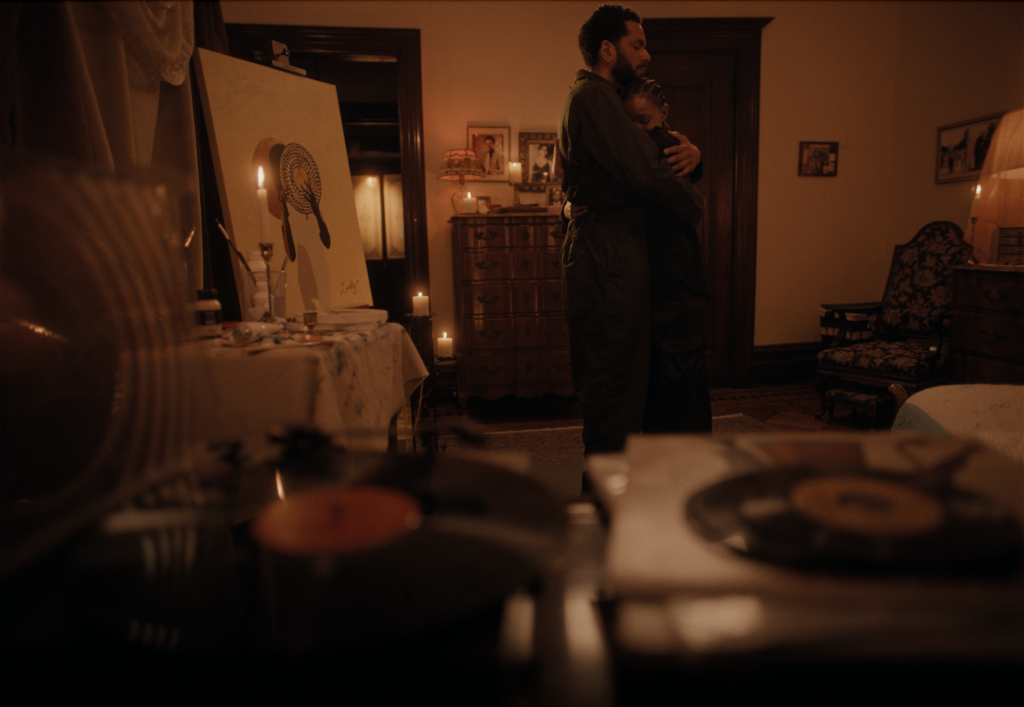
The cinematography carries similar emotional clarity. The gentle camera movements guide us through the brownstone home. The framing often isolates Drea, letting her exist apart even while surrounded by family. We see her scanning lips, watching hands, searching for connection. It’s a visual storytelling choice that gives power to what she hears and what she doesn’t.
The home itself becomes a character. The lighting is warm and soft, allowing every shadow of memory to sit comfortably among the living. Despite the grief, there is laughter, familiarity, and love. Even in mourning, this family feels rooted, connected. It makes Drea’s loneliness even more profound. She is inside the home, but it doesn’t quite feel like it either.
‘Them That’s Not’ is a story about reconciliation, even if imperfect. It reminds us to listen and hear what isn’t said, especially when words fail to express what we need to hear. It feels like an honest introspection for us all, and truly, we often need it.
Nicholas Paskhover began filmmaking with an active imagination. A borrowed camera ...
There’s something about returning to the TRON universe that always feels ...


Leave A Reply