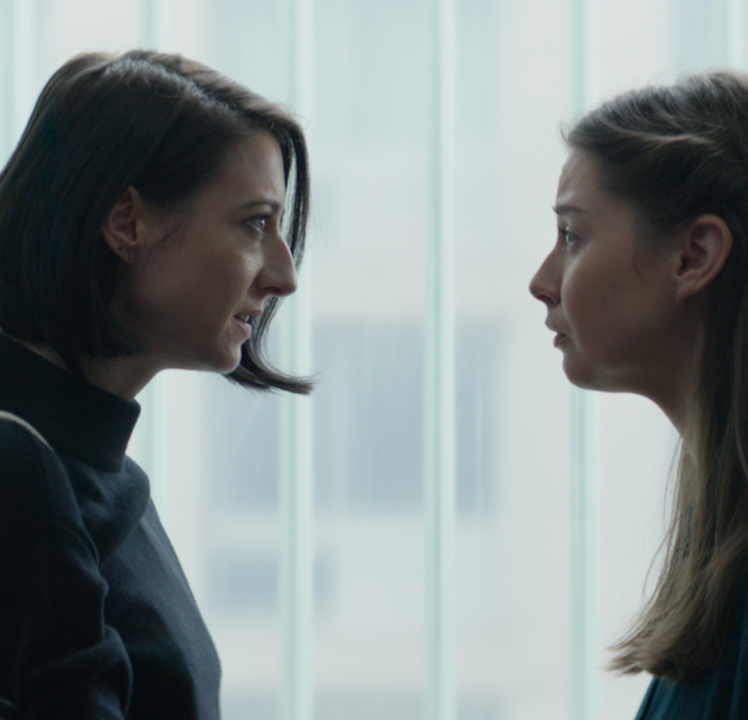
‘The Serena Variations’ – music, passion and the struggle for success.
'The Serena Variations' is an imaginative short film that weaves together ...

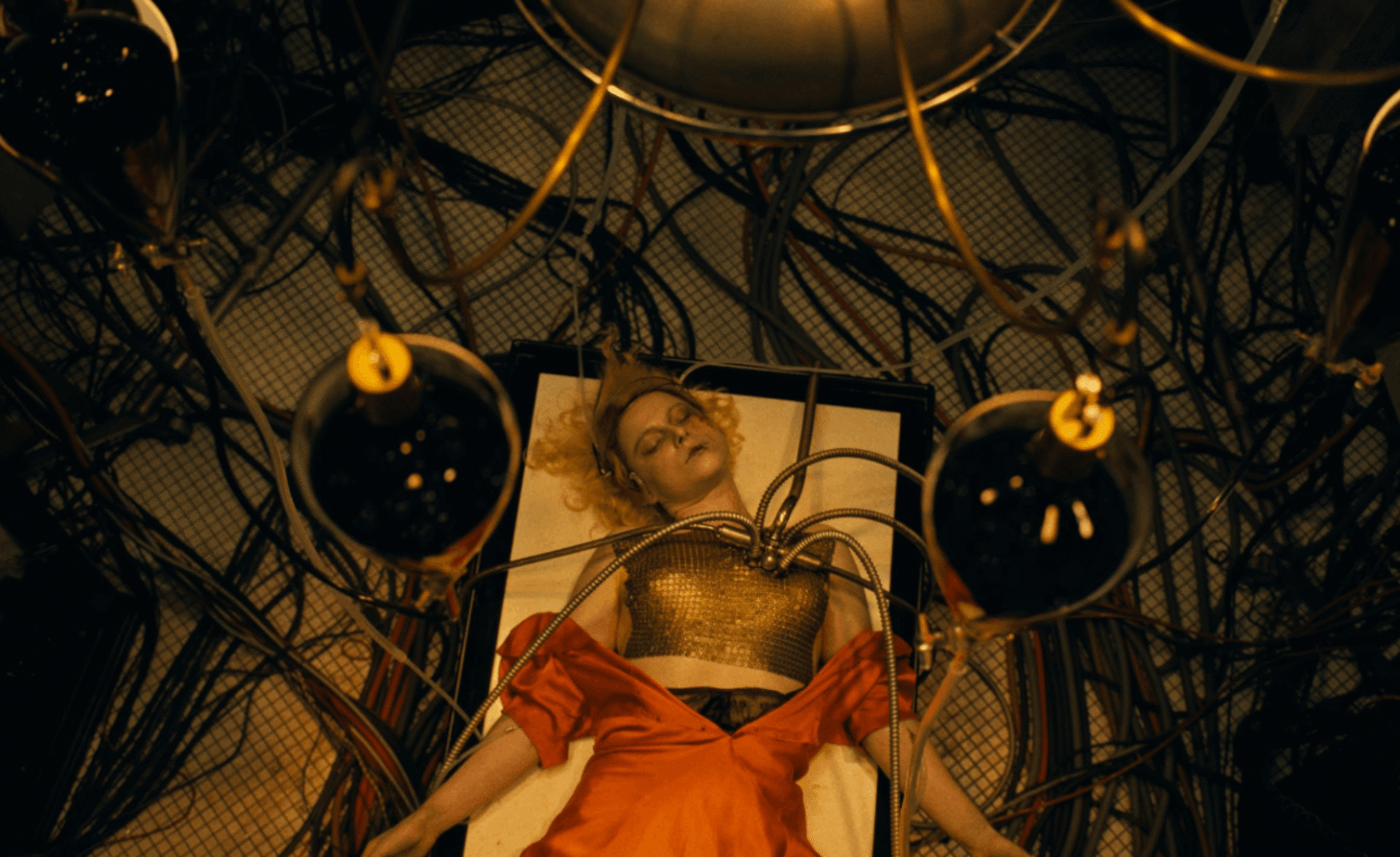
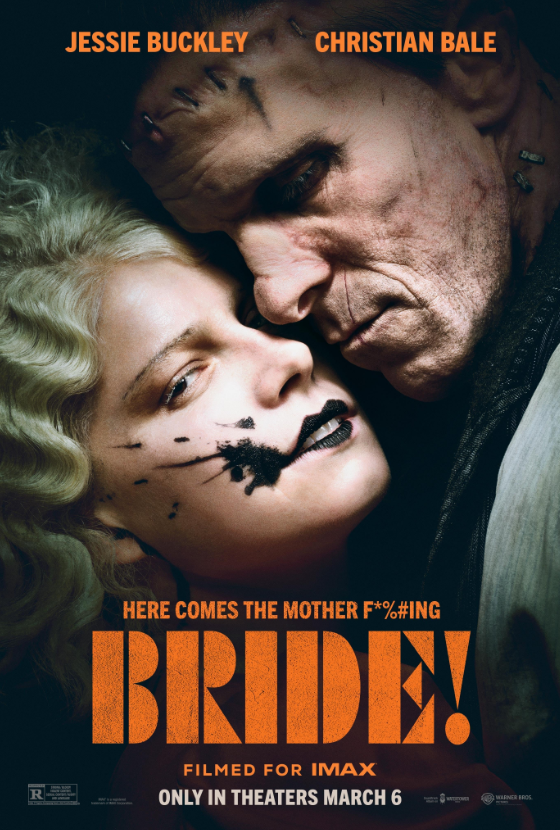
There’s something inherently seductive about revisiting myth through a woman’s lens, especially one as historically sidelined as the Bride in Frankenstein lore. With The Bride!, Maggie Gyllenhaal doesn’t just revisit the myth; she tries to reclaim it, rewire it, and let it breathe with a different kind of rage one that is messy, defiant, and unapologetically feminine.
Set against the smoky, jazz-soaked backdrop of 1930s Chicago, the film begins with an idea that feels both deliciously gothic and politically charged: a lonely creature, Frankenstein’s monster here called Frank longs not just for companionship, but for intimacy, for understanding, for a shared existence in a world that has rejected him. Enter Dr. Euphronius, the architect of a resurrection that feels less like a miracle and more like a violation dressed in good intentions. The Bride, born from death and desire, arrives not as a passive answer to a man’s loneliness, but as a storm.
And yet, that storm is where the film both finds its pulse and loses its footing. Gyllenhaal’s ambition is impossible to ignore. She doesn’t want to make a simple horror film, nor a straightforward romance. Instead, she stitches together elements of noir, body horror, tragic love story, and feminist allegory, creating something that often feels like it’s in conversation with itself. At times, the film is intoxicating visually lush, emotionally charged, and brimming with ideas. At others, it feels like it’s slipping through its own fingers, unable to decide what it wants to be.
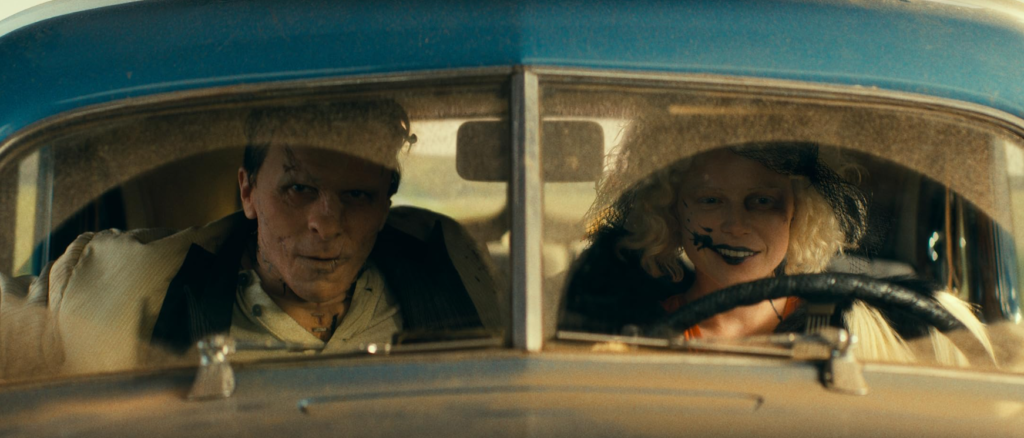
The Bride herself, Ida, is perhaps the film’s most fascinating contradiction. She is volatile, sensual, wounded, and ferociously alive in a way that resists easy categorisation. There’s a certain poetry in how she occupies space: too loud, too wild, too much for the world around her. And maybe that’s the point. Women, especially those who refuse to be contained, have always been labeled as monstrous. Gyllenhaal leans into that discomfort, allowing Ida to exist without apology.
But here’s the tension the film asks us to feel her, to understand her, yet doesn’t always give us the grounding to do so. Ida moves through the narrative like a spark in dry grass, igniting everything but rarely pausing long enough for us to truly connect. Her chaos is compelling, but it can also feel emotionally distant, like watching a fire from behind glass.
Frank, on the other hand, is surprisingly tender. His longing is quiet, almost childlike, and there’s something deeply human in his desire to be loved. His relationship with Ida should be the emotional core of the film a twisted, fragile love story born from unnatural beginnings. But the chemistry between them feels more conceptual than visceral. You understand what the film is trying to say about love, power, and creation, but you don’t always feel it.
Where The Bride! undeniably excels is in its atmosphere. The production design is sumptuous, wrapping the film in velvet shadows and flickering neon. Nightclubs hum with danger and desire, alleyways feel like secrets waiting to be uncovered, and the entire world pulses with a kind of theatrical elegance. There are moments that feel almost dreamlike sequences that drift into musicality or surrealism, echoing the kind of cinematic experimentation you might find in films like Bonnie and Clyde, but with a more fractured, modern sensibility.
And yet, those moments of stylistic boldness often come at the expense of narrative cohesion. The film jumps sometimes abruptly between tones and ideas, as though afraid of settling into any one identity. It’s admirable, in a way. There’s a refusal here to be simple, to be digestible. But that refusal can also alienate, leaving the audience searching for an emotional anchor that never quite arrives.
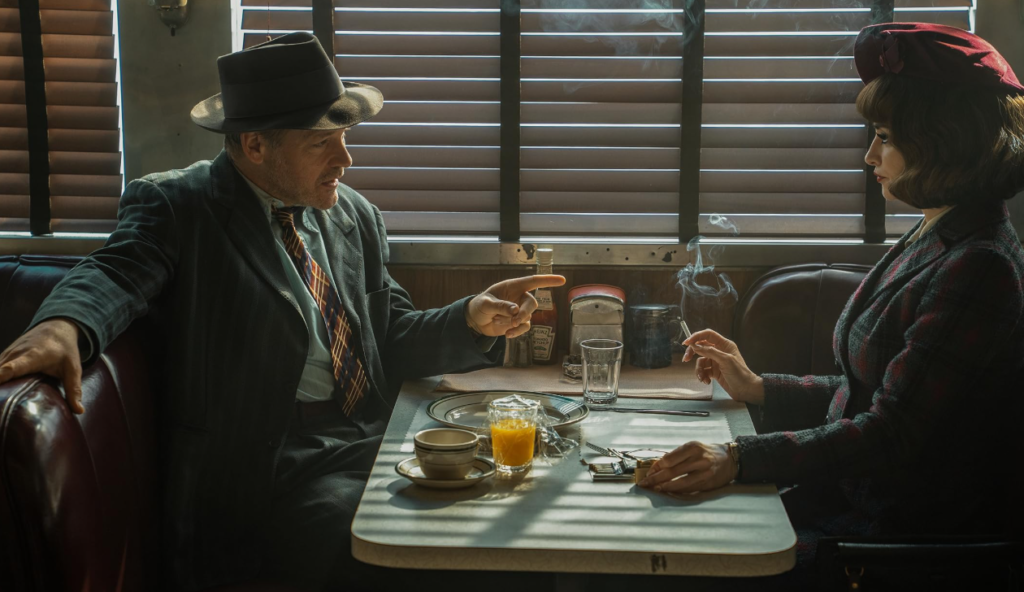
What lingers, though, is the film’s thematic undercurrent. Gyllenhaal is clearly interrogating the idea of creation not just in the literal sense of bringing someone to life, but in the way society shapes, moulds, and often confines women. Ida’s existence is not her own; she is born from a man’s desire, her past rewritten, her autonomy immediately compromised. And her rebellion, however chaotic, is a reclamation of self.
There’s a haunting beauty in that.
But the film doesn’t always trust its own ideas. It spells things out when it could have whispered, pushes when it could have lingered. The result is a story that feels both overstuffed and oddly incomplete, like a diary with pages torn out.
Still, The Bride! is never boring. It’s strange, uneven, occasionally frustrating but also daring in ways that many studio films simply aren’t. It dares to be excessive. It dares to be contradictory. It dares to center a woman who is not easy to love. And maybe that’s its quiet triumph.
Because even in its imperfections, The Bride! feels like a film that insists on existing on its own terms much like Ida herself.
'The Serena Variations' is an imaginative short film that weaves together ...
Filmmaking, at its core, is about connection, bridging experiences, and emotions, ...

Leave A Reply