
In Conversation: Denzel Vazquez on Turning Vulnerability Into Cinema with ‘Leap and Soar’
Filmmaker Denzel Vazquez speaks about memory, grief, and human connection in ...

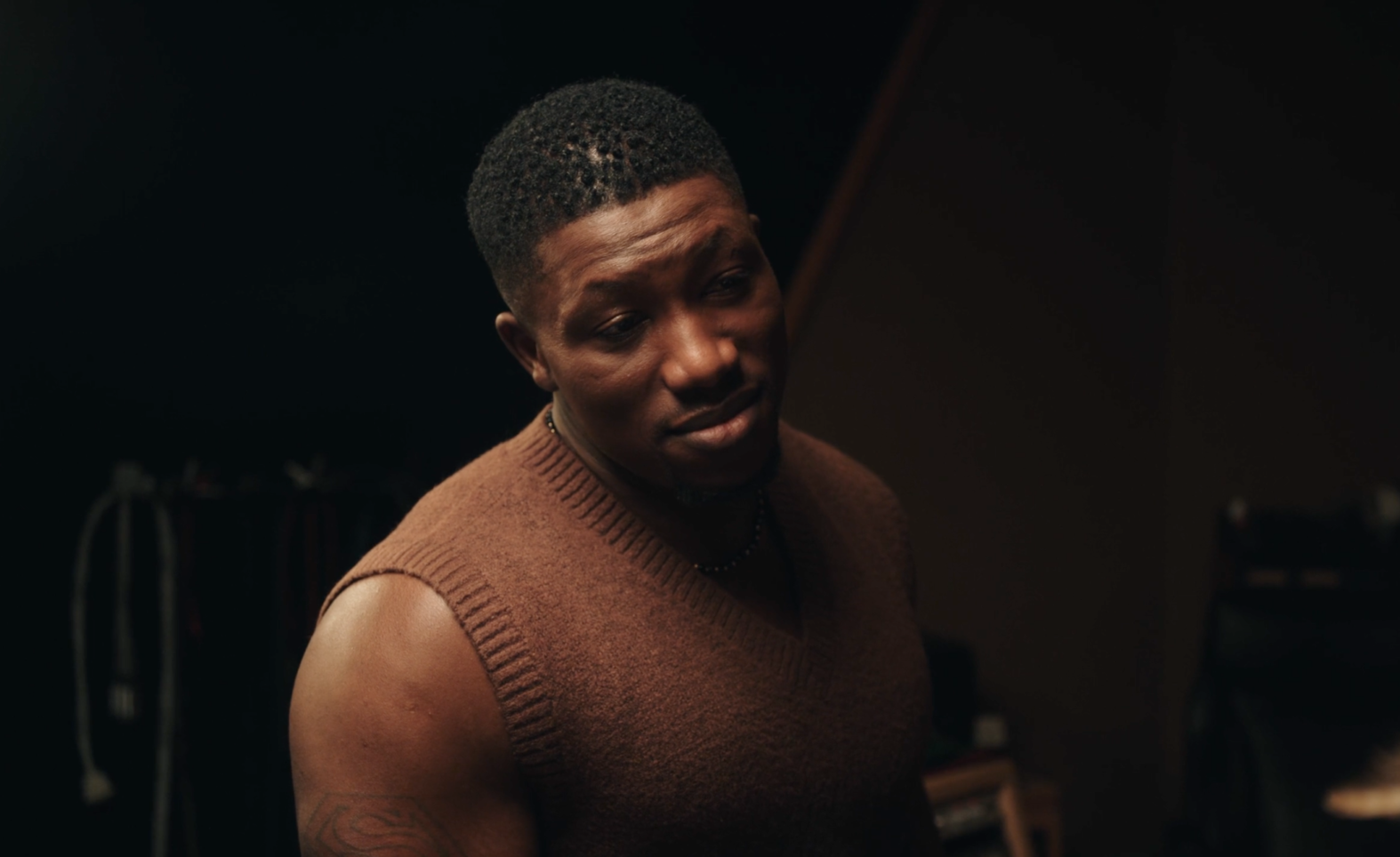
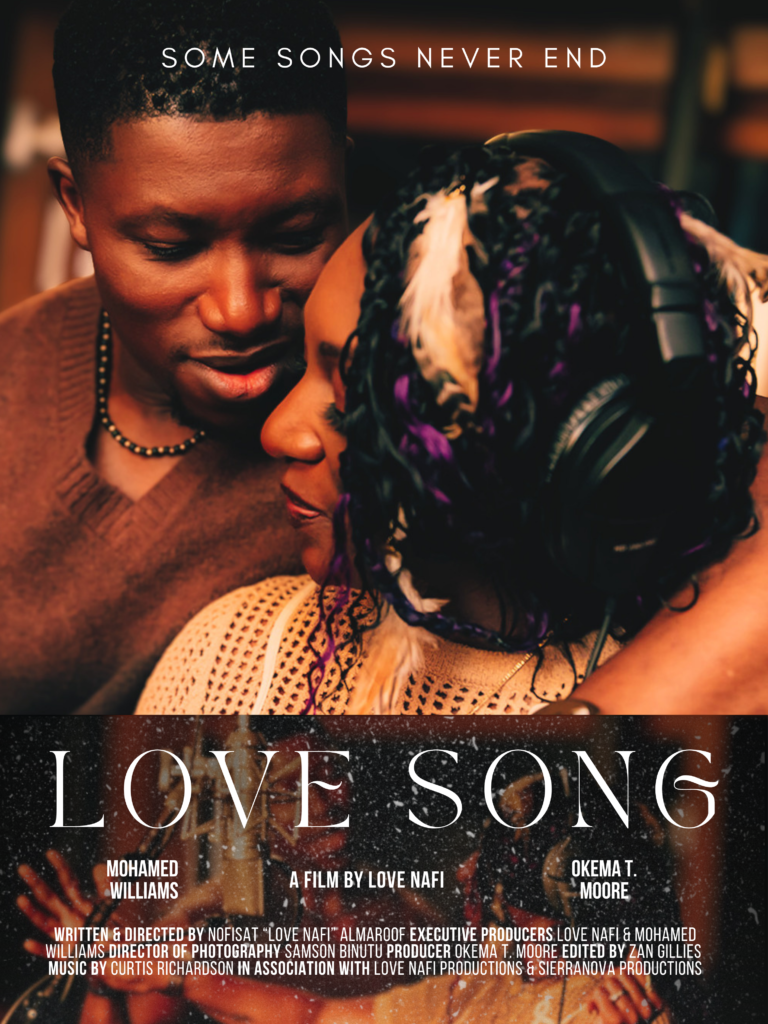
There is something quietly heartbreaking about meeting the right person at the wrong time. That lingering thought sits at the centre of ‘Love Song’, the 2026 American Black Film Festival selection written and directed by Love Nafi.
This short film explores marriage, sacrifice, deferred dreams, and the emotional weight of unfinished love with a tenderness that feels both familiar and deeply human.
It opens with a soothing R&B instrumental that immediately sets the tone. It is smooth, warm, and inviting, creating the feeling that we are about to step into a love story. We first meet Mathieu (Mohamed Williams) and his wife in bed. At a glance, they appear to be the picture of domestic happiness. Yet Love Nafi wastes little time peeling back the layers to reveal the cracks beneath the surface.
Mathieu is exhausted. Not physically alone, but emotionally and creatively. Once a passionate music producer, he now finds himself overwhelmed by responsibilities. His wife is pursuing her law degree, and while he supports her ambitions, it is clear that doing so has required him to place many of his own dreams on hold. Between providing for the family, caring for their school-aged daughter, and managing the daily demands of marriage, Mathieu feels trapped in a cycle of sacrifice that is slowly draining the life out of him.
Then comes Belinda (Okema T. Moore), an old flame who reappears almost as if fate itself has intervened. Their encounter feels accidental, yet destined. The chemistry between them is immediate and undeniable. What makes their connection particularly compelling is that this is not a story about bitterness or betrayal. Their love did not end because they stopped caring. Life simply pulled them in different directions.

As the two reconnect, the narrative carefully balances excitement with restraint. You can see the joy in their eyes as they rediscover a familiar comfort in one another, but you can also feel the hesitation. Mathieu understands the vows he has made. Melinda is dealing with challenges in her own relationship. Yet, neither wants to be responsible for disrupting the lives they have built, even as old feelings begin to resurface.
Both Mohamed Williams and Okema T. Moore deliver performances rooted in sincerity. Their chemistry never feels forced. Instead, it carries the emotional complexity of two people wondering what might have been. Williams is particularly effective at communicating Mathieu’s frustrations. He portrays a man doing everything society expects of him. Being a loving father, a supportive husband, and a reliable provider while quietly struggling with the pieces of himself he has had to sacrifice along the way.
One of the film’s strongest elements is its music. Every track feels authentic and purposeful. The soundtrack blends smooth R&B with Afrobeat influences, creating a rich musical landscape that perfectly complements the story’s emotional rhythms. These are the kinds of songs that feel lived in, the kind that could easily become part of someone’s everyday playlist.
The film’s pacing is equally impressive. It unfolds with a smoothness that is difficult to describe without simply calling it sexy. Not in an overt sense, but in the way it allows moments to breathe. Conversations linger and the glances matter. Emotions are given space to settle. The result is a short film that often feels like it could have comfortably expanded into a feature-length story. And hopefully, fingers crossed, that is considered.
Visually, cinematographer Samson Binutu gives Love Song a polished and tasteful look that enhances its intimacy. Zan Gillies’ editing ties everything together seamlessly, ensuring that every scene flows naturally into the next. Together, they help create a film that feels both elegant and emotionally grounded.
At its core, Love Song is a needed reminder that marriage is rarely sustained by love alone. It requires sacrifice, commitment, patience, and an ongoing willingness to choose one another, even when life becomes exhausting. Family, legacy, and partnership are beautiful things, but they often demand more from us than we anticipate. Love Nafi’s film understands that reality and approaches it with empathy rather than judgment.
By the time the credits roll, Love Song leaves behind a lingering question about the roads not taken while gently reaffirming the value of the commitments we choose to keep. It is thoughtful, mature, beautifully acted, and emotionally resonant. Definitely a short film that earns every note of its title.
Filmmaker Denzel Vazquez speaks about memory, grief, and human connection in ...
Filmmaking has never been a task that can or should be ...


Leave A Reply