
Moana 2 – Returning to Familiar Waters
There’s something comforting about returning to familiar waters and that’s exactly ...

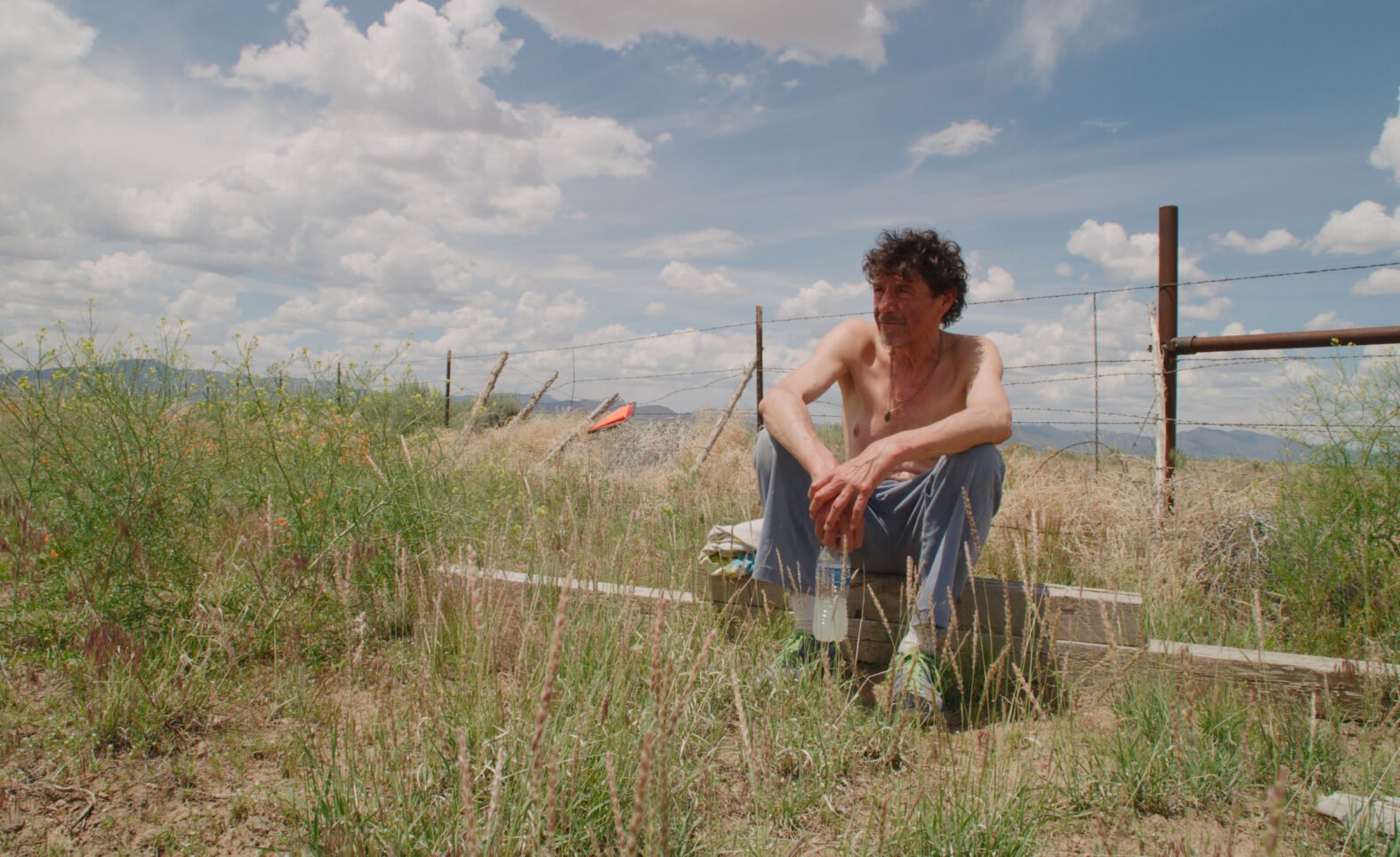
There is a particular kind of honesty that only exists when people stop trying to protect themselves. No performance. No carefully rehearsed speeches. No cinematic heroism at all. Just exhaustion, pain, resentment, love and the vulnerability that comes when a family finally realises it can no longer survive the way it has been living.
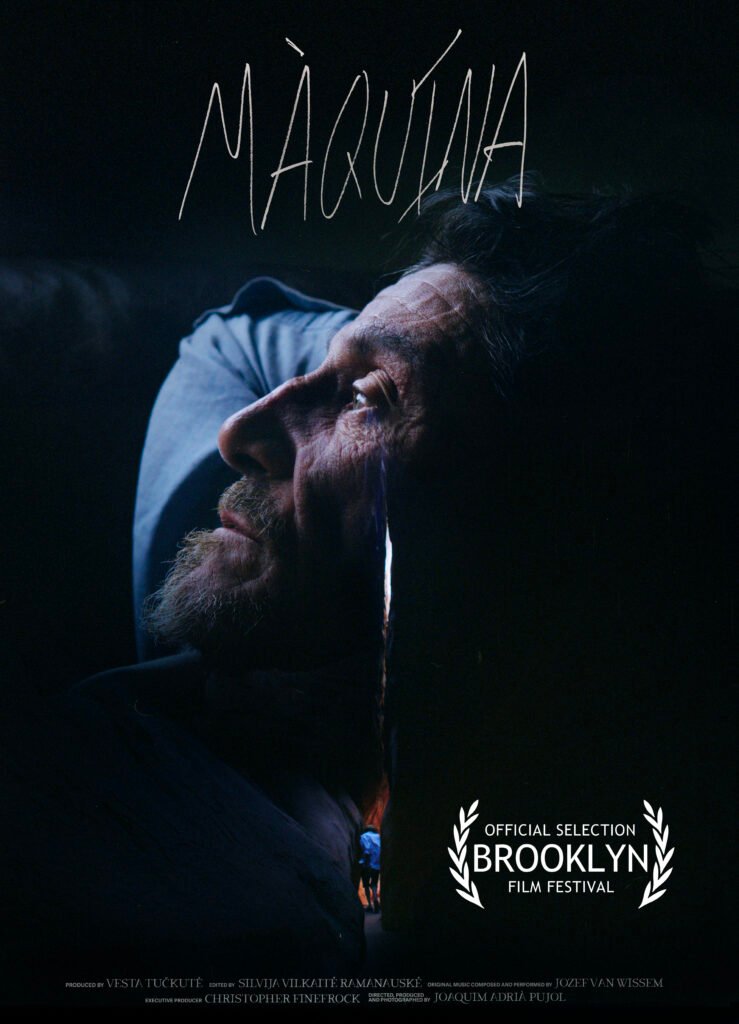
That is the territory Joaquim Adrià Pujol’s documentary ‘Màquina’ walks into, and it does so without flinching. On paper, the premise sounds deceptively straightforward. A father struggling with alcoholism joins his son on a journey to Colorado for psychedelic-assisted addiction treatment. They travel through the American West in a weathered Winnebago, carrying decades of emotional baggage.
But it is not really a recovery documentary, nor is it interested in becoming an inspirational roadmap toward sobriety. Pujol’s film operates in more clouded emotional terrain. It is about the inheritance of pain. The strange gravity of codependency. The way addiction can become woven into the architecture of a family until nobody remembers where one person’s suffering ends and another’s begins.
What makes this documentary so gripping is how deeply personal it feels without ever collapsing into self-indulgence. Pujol is not standing outside the story with the detached gaze of a documentarian studying subjects from afar. He is inside the wound. The film carries the tension of a man simultaneously trying to understand his family while also trying to survive it. You can feel that conflict in nearly every frame.
There is an intimacy here that borders on uncomfortable, but that discomfort becomes the film’s greatest strength. Pujol strips the filmmaking process down to its bare essentials, minimal equipment, no visible production machinery, no polished talking-head setups, allowing conversations to unfold with an almost frightening naturalism. The result is a documentary that feels less like a constructed narrative and more like emotional shrapnel captured in real time. Arguments linger awkwardly. Silences stretch. Faces look tired in ways fiction rarely captures convincingly. Nobody in ‘Màquina’ is trying to appear admirable, and that honesty gives the film its bruising power.
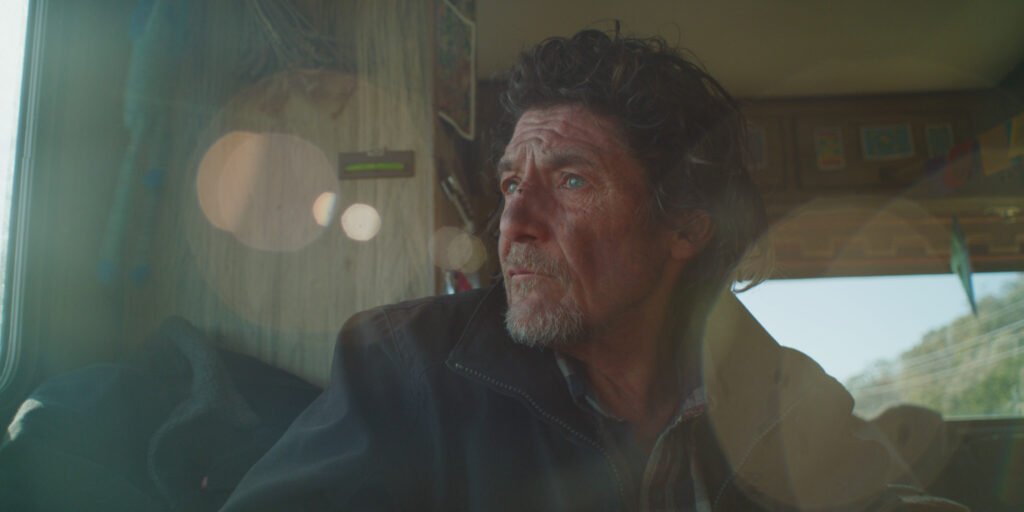
What elevates the documentary beyond many addiction narratives is its refusal to simplify anyone involved. The father is not reduced to a cautionary stereotype, nor is the son framed as some wounded saviour figure dragging his family toward redemption. Pujol understands that addiction is rarely clean enough for those binaries. Love and resentment coexist here constantly. Compassion exists beside frustration. Hope arrives in brief flashes before being swallowed again by old habits and emotional scars.
The film’s exploration of psychedelic-assisted treatment is also handled with surprising maturity. In lesser hands, the subject could have easily turned into a trendy talking point or pseudo-spiritual sales pitch. Instead, ‘Màquina’ approaches the treatment process with scepticism, curiosity and emotional caution. Pujol never frames psychedelics as magical solutions capable of erasing trauma overnight. If anything, the film suggests that opening emotional doors may actually force people to confront truths they have spent years avoiding. Healing, in ‘Màquina’, is messy work. Sometimes brutal work.
Visually, the documentary carries a rugged, sunburnt beauty that quietly contrasts the emotional heaviness unfolding inside the RV. The vast landscapes and endless highways all become mirrors for the internal isolation these men are experiencing. There is something deeply masculine about the film’s atmosphere, not in the performative sense of toughness, but in the way it examines generations of men who were never taught how to process pain properly. The silence between them often says more than the dialogue itself.
Pujol’s background as a cinematographer is evident throughout. The camera never feels invasive for the sake of spectacle. Even during the film’s most vulnerable moments, there is restraint in how scenes are framed and observed. He understands when to hold a shot and when to let emotional chaos simply exist without manipulation. That discipline becomes especially important because the material itself is already emotionally volatile.
What lingers long after the credits roll is not necessarily the treatment process or even the family’s specific circumstances, but the emotional truth underneath all of it. Most people know someone battling addiction. Many people come from families where silence, shame and unresolved trauma quietly pass from one generation to the next like inheritance. ‘Màquina’ taps directly into that reality with startling precision.
This is not an easy film to watch, nor should it be. It asks the audience to sit with discomfort, ambiguity and emotional exposure without offering neat conclusions as reward. But in doing so, Joaquim Adrià Pujol has created something far more valuable than a conventional recovery documentary. He has made a film about what it actually means to keep showing up for the people you love, even when you are exhausted, angry, uncertain and wounded yourself.
There’s something comforting about returning to familiar waters and that’s exactly ...
Mission: Impossible - Dead Reckoning Part One is the latest installment ...


Leave A Reply