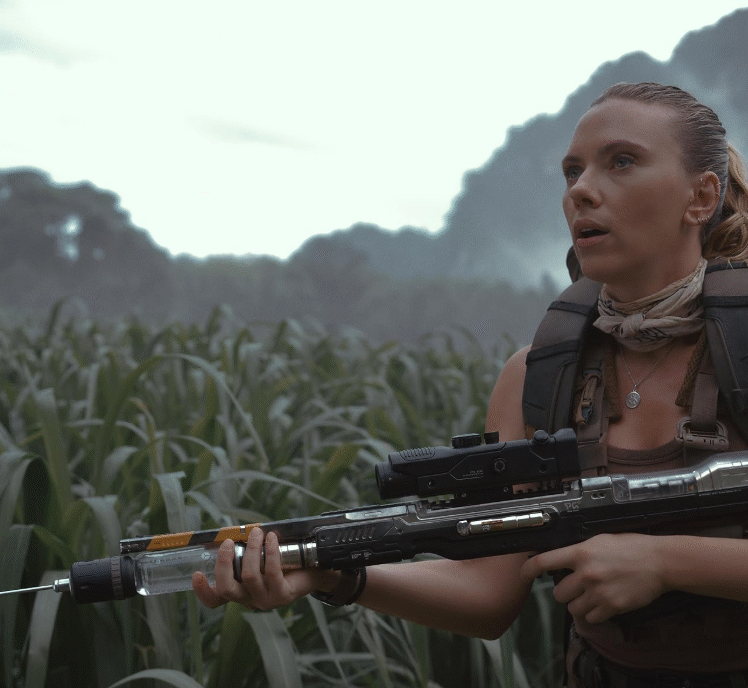
Jurassic World: Rebirth – A summer blockbuster that embraces its own contradictions,
By the time Jurassic World: Dominion closed the last chapter of ...

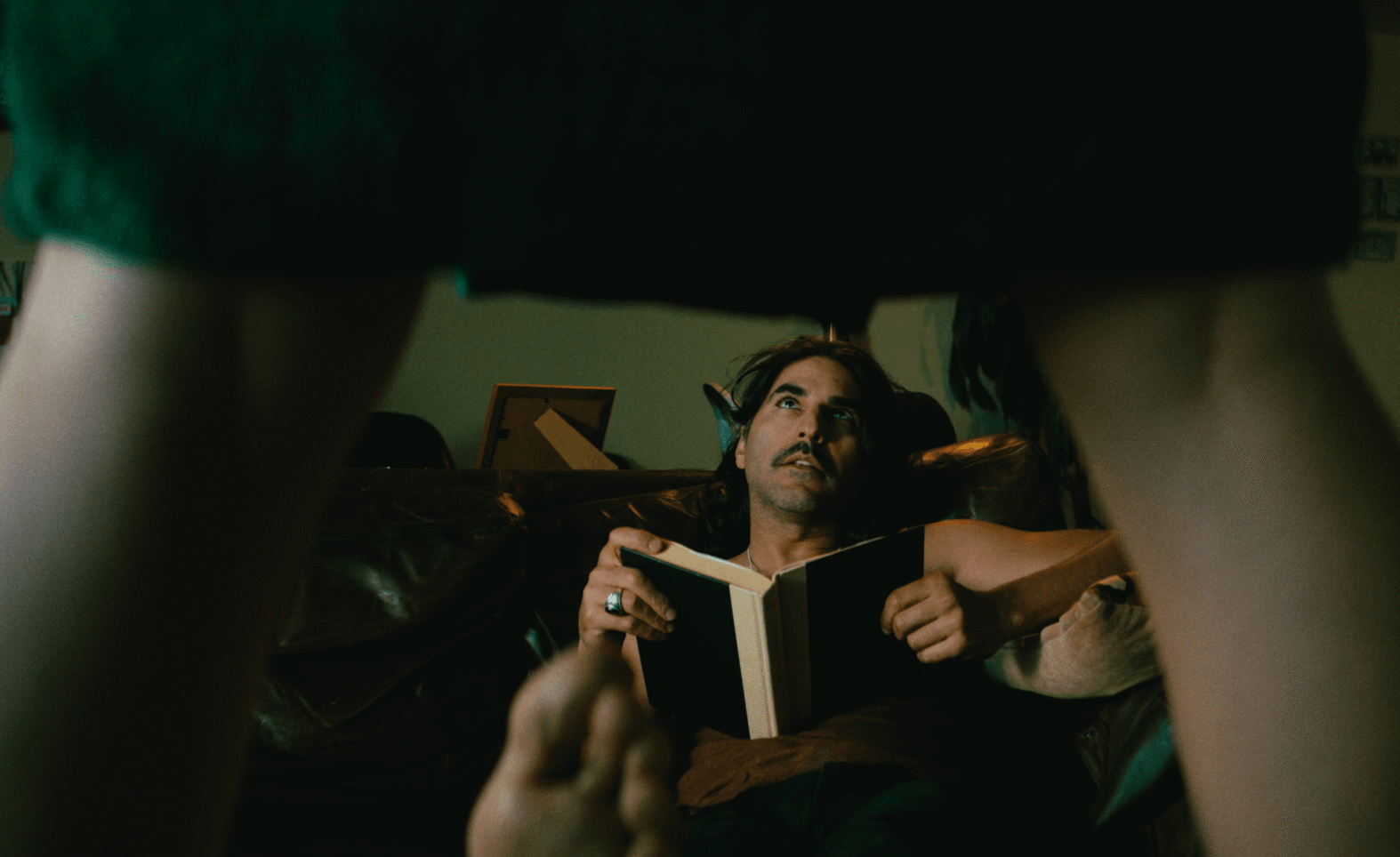
Joe Bongiovanni’s ‘The Turtle’ is a quiet but emotionally resonant character study that peels back the layers of masculinity, vulnerability, and the emotional distance that can quietly consume even the strongest relationships. Rather than relying on grand dramatic moments, the film finds its power in the conversations we often avoid and the feelings we struggle to put into words.
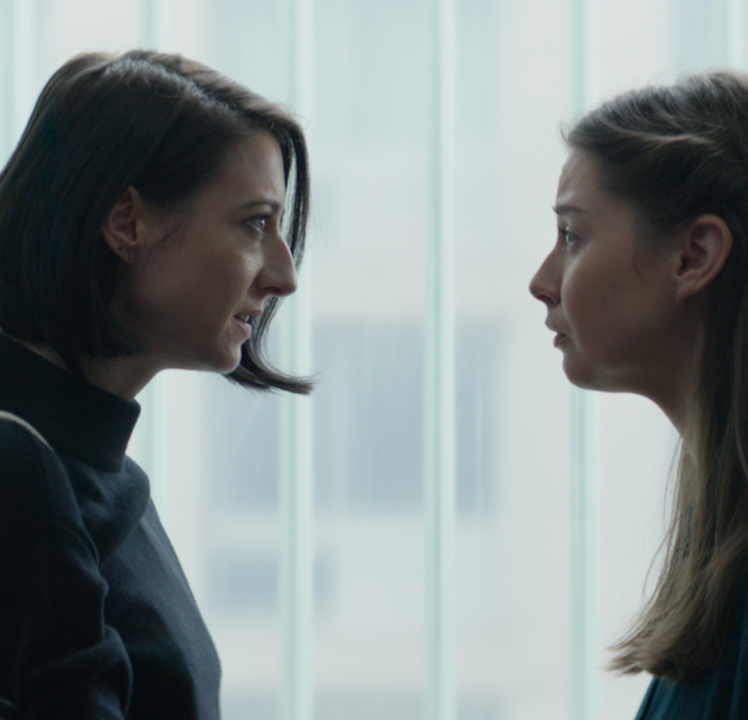
The story centres on Barbara and her husband Tony, whose marriage has reached a point where communication feels more like navigating a minefield than an expression of love. From the outset, Tony appears guarded, short-tempered, and emotionally unavailable. He buries himself in his acting studies, seemingly using them as an escape from conversations that would force him to confront emotions he has spent years suppressing. As Barbara gently but persistently tries to reach him, it becomes increasingly clear that his anger is not the problem. It is merely the armour protecting a man who has long forgotten how to let himself be vulnerable.
Joe Bongiovanni, who also wrote the film, approaches this subject with remarkable sincerity. Knowing the deeply personal experiences that inspired the story certainly adds another layer to the viewing experience, but even without that context, ‘The Turtle’ feels refreshingly honest. It refuses to paint either character as the villain. Instead, it presents two people who love one another but have become trapped by expectations of what a man and a woman are supposed to be within a relationship.
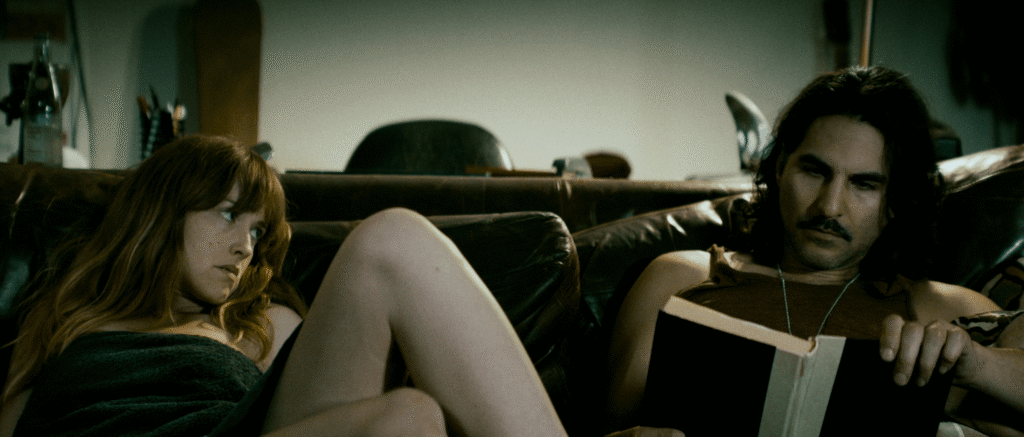
Richard-John Seikaly delivers a measured performance as Tony. His initial stoicism and flashes of aggression make him difficult to read, but as the emotional walls begin to crack, his vulnerability becomes impossible to ignore. One particular confession, where he simply admits that he sometimes just wants a hug, lands with surprising force. It is a simple statement, yet it captures the emotional deprivation many men quietly carry because they fear being judged for expressing their needs.
Emma Griffin is equally compelling as Barbara. At first glance, her persistence could easily be mistaken for nagging, but Griffin carefully reveals the compassion beneath every question she asks. Barbara is not trying to win an argument. She is desperately trying to reach the man she loves before he disappears completely behind the emotional shell he has built around himself.
That shell is perhaps the film’s most effective metaphor. In my opinion the title, ‘The Turtle’, perfectly encapsulates Tony’s existence. Like a turtle retreating into its protective shell, he hides behind toughness because society has conditioned him to believe that vulnerability is weakness. The film argues otherwise, suggesting that genuine strength often begins with allowing ourselves to be seen.
Although the entire film unfolds within the confines of the couple’s living space, Joe Bongiovanni’s thoughtful cinematography ensures the setting never feels restrictive. Instead, the intimate framing draws us deeper into their emotional world, while the restrained score subtly reinforces the growing tension and tenderness shared between the two.
‘The Turtle’ is ultimately a compassionate reminder that men, too, need safe spaces to break down, to speak honestly, and to be comforted without fear of ridicule. It is an intimate, heartfelt short that challenges outdated ideas of masculinity and reminds us that sometimes the bravest thing anyone can do is step out from behind the shell.
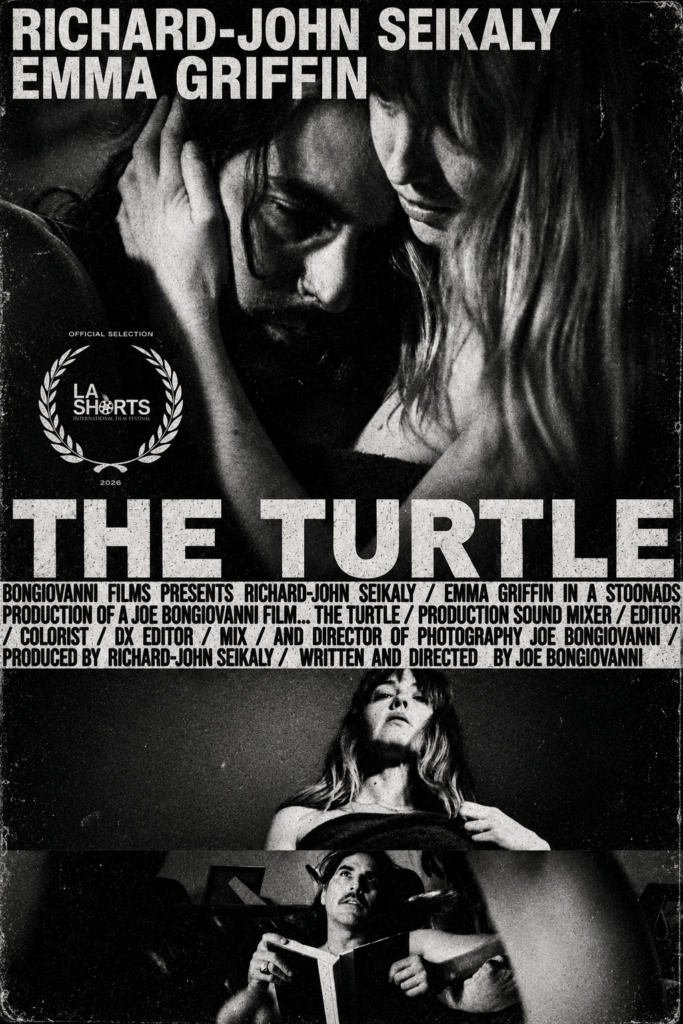
Rating 3.5/5
By the time Jurassic World: Dominion closed the last chapter of ...
'The Serena Variations' is an imaginative short film that weaves together ...

Leave A Reply