In Conversation: Denzel Vazquez on Turning Vulnerability Into Cinema with ‘Leap and Soar’
Filmmaker Denzel Vazquez speaks about memory, grief, and human connection in ...

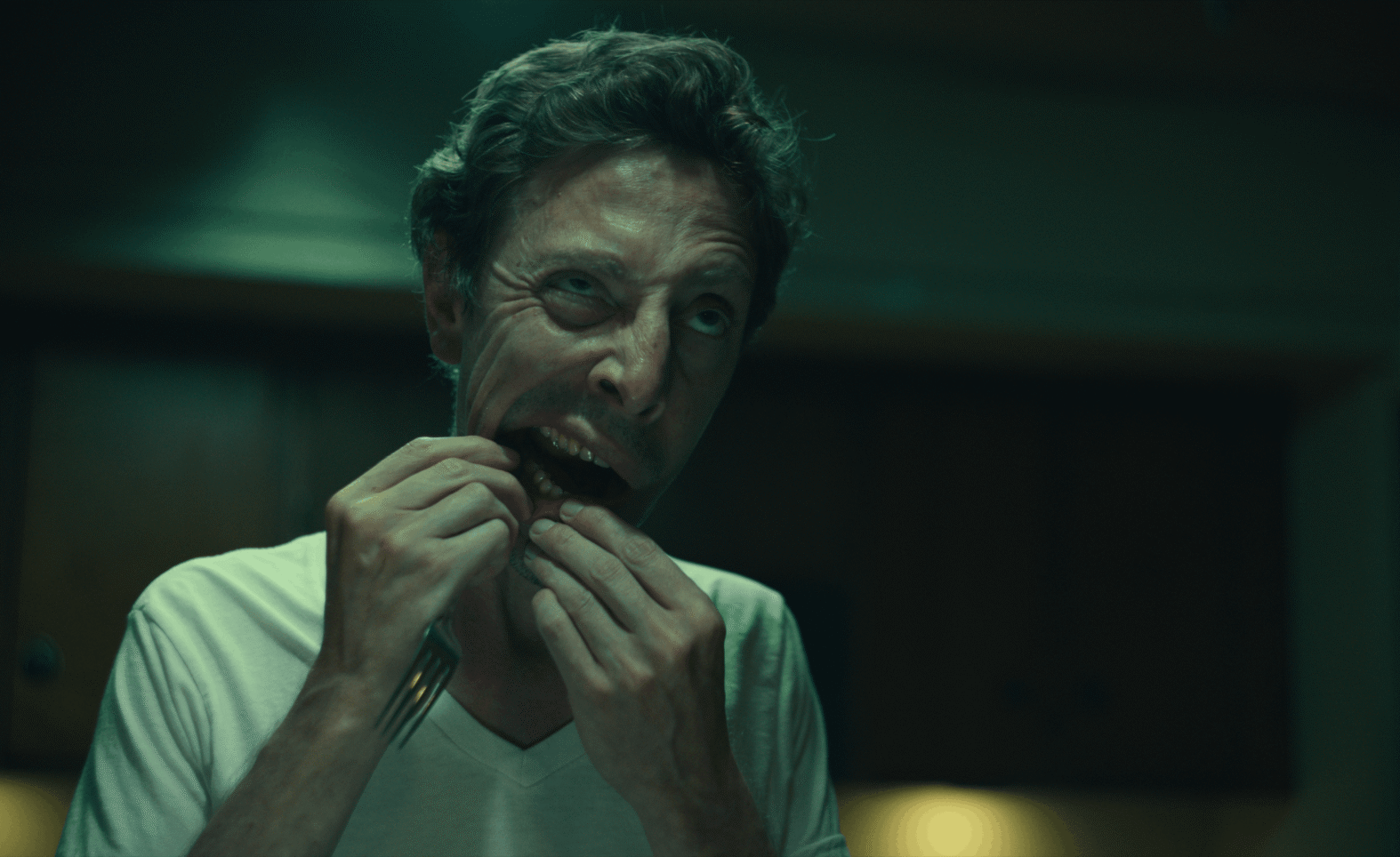
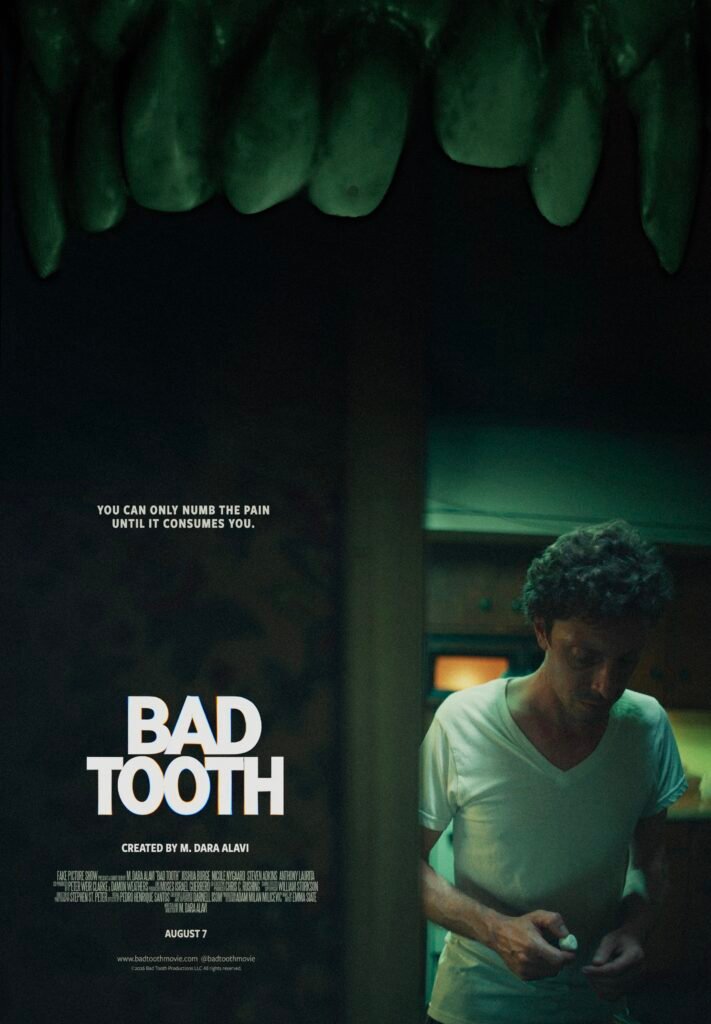
There are few things more unsettling than a bad toothache. It is the kind of pain that can take over your entire day, ruin your sleep and make you desperate enough to do things you would normally never consider. In M. Dara Alavi’s ‘Bad Tooth’, that familiar misery is pushed into much darker territory, turning an everyday problem into a disturbing descent into psychological and physical horror.
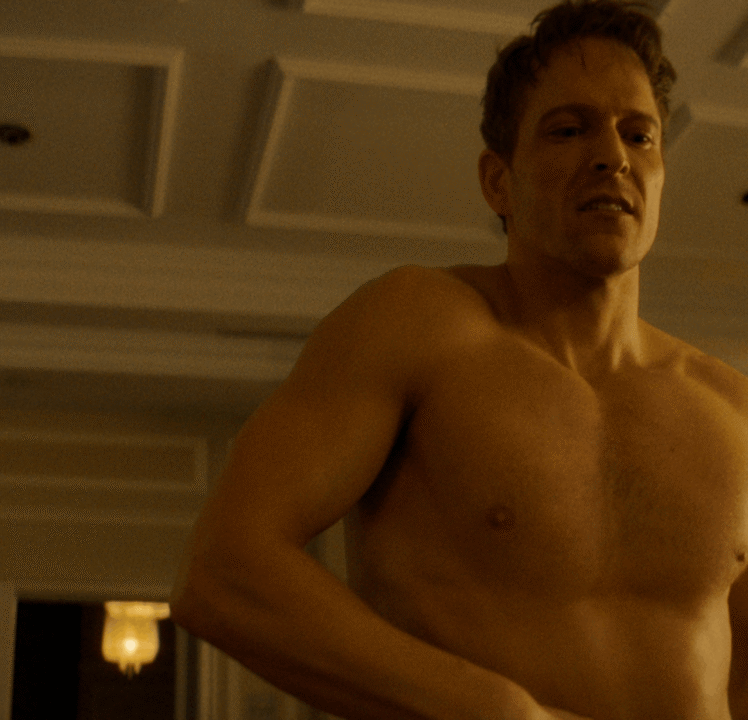
Joshua Burge plays Alex, a struggling gig worker already carrying more than he can handle. Alone in his apartment, with his life seemingly coming apart around him, a toothache becomes the latest problem he cannot escape. What begins as an uncomfortable irritation gradually takes control, pushing Alex towards increasingly desperate attempts to deal with the pain.
And this is where Alavi’s film finds its real strength. The horror does not arrive from nowhere. It grows out of Alex’s circumstances. There is something painfully recognisable about watching a person continue to live with problems because dealing with them feels too expensive, too difficult or simply impossible at the moment. Alex is not just dealing with a tooth. He is dealing with everything else he has failed to address, and the film allows those pressures to slowly become indistinguishable from the physical pain consuming him.
Burge gives the character a performance that is uncomfortable to watch in the best possible way. There is very little theatricality in the way he carries Alex’s exhaustion. His body, expressions and increasingly frantic behaviour tell us how close this man is to breaking before the film ever fully lets him lose control.
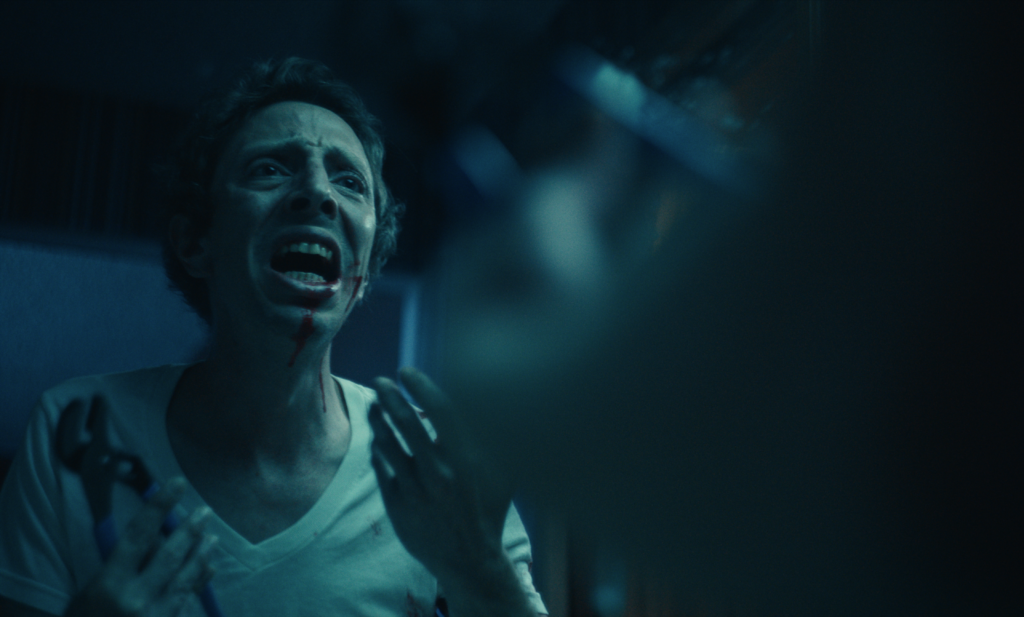
Then there is the creature. Given Alavi’s background in special effects and visual effects, it is hardly surprising that ‘Bad Tooth’ places such confidence in its practical effects. The creature is not simply something that appears briefly and disappears into darkness. Alavi allows us to see it, study it and sit with the unsettling reality of what has emerged from Alex’s deteriorating situation. The effects have a tactile quality that makes the horror feel much closer.
The sound design deserves equal attention. The film understands that sometimes what we hear can be more uncomfortable than what we see. The sounds surrounding Alex’s attempts to deal with his toothache create a physical reaction, particularly for anyone who has experienced serious dental pain.
What I also appreciate is how ‘Bad Tooth’ leaves enough room for interpretation. Is the creature real? Is Alex experiencing some kind of psychological collapse? Is the monster a physical manifestation of everything he has allowed to deteriorate in his life? The film does not need to settle every question for us.
At roughly fifteen minutes, ‘Bad Tooth’ is compact but does not feel empty. It establishes Alex, gives us enough of his life to understand his state of mind and then takes that reality somewhere increasingly grotesque without losing the human story underneath it.
There is clearly a larger world waiting beyond this short, and that makes ‘Bad Tooth’ feel less like a conclusion than an unsettling glimpse into something bigger. Alavi has taken a very personal experience and turned it into a strange, bloody and surprisingly relatable piece of body horror.
Sometimes the things we ignore do not simply disappear; they grow.
Filmmaker Denzel Vazquez speaks about memory, grief, and human connection in ...
There is something quietly powerful about short films that know exactly ...
Leave A Reply