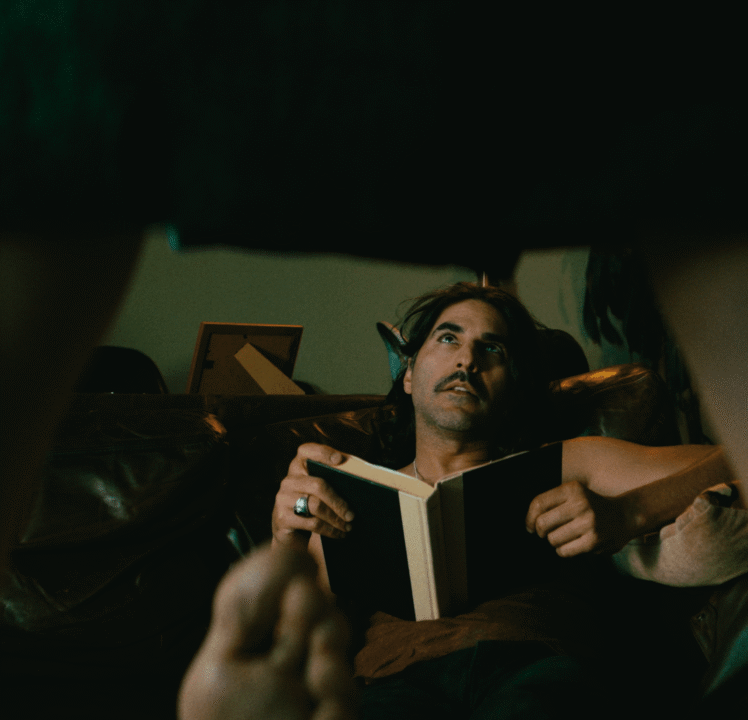
The Turtle – Being Tough Because Vulnerability is Weakness
Joe Bongiovanni's 'The Turtle' is a quiet but emotionally resonant character ...
There is something quite interesting about filmmakers who are willing to take their most difficult personal experiences and turn them into stories that others can connect with. It takes a certain level of courage and vulnerability, especially when those experiences involve mental health struggles, addiction, and moments in life that one might rather forget. But sometimes, finding humour in those difficult moments can be just as important as confronting them.
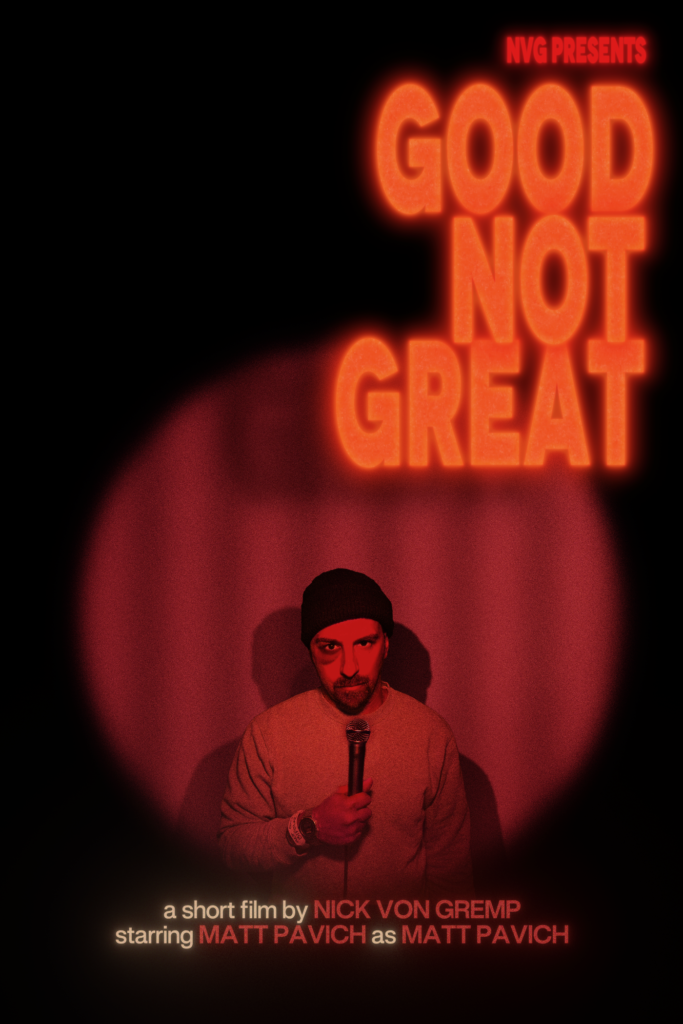
This is very much the approach taken in Good Not Great, a dark comedy short film inspired by the real-life experiences of New York comedian Matt Pavich, who lives with bipolar disorder. Written by Pavich alongside director Nick von Gremp, the film follows a fictionalised version of the comedian as he navigates the aftermath of a manic episode that lands him back in a psychiatric hospital.
Rather than approaching the subject entirely through tragedy, the film uses dark humour and stylised storytelling to explore the complicated relationship between mental illness, personal identity, and the ways people cope with their struggles.
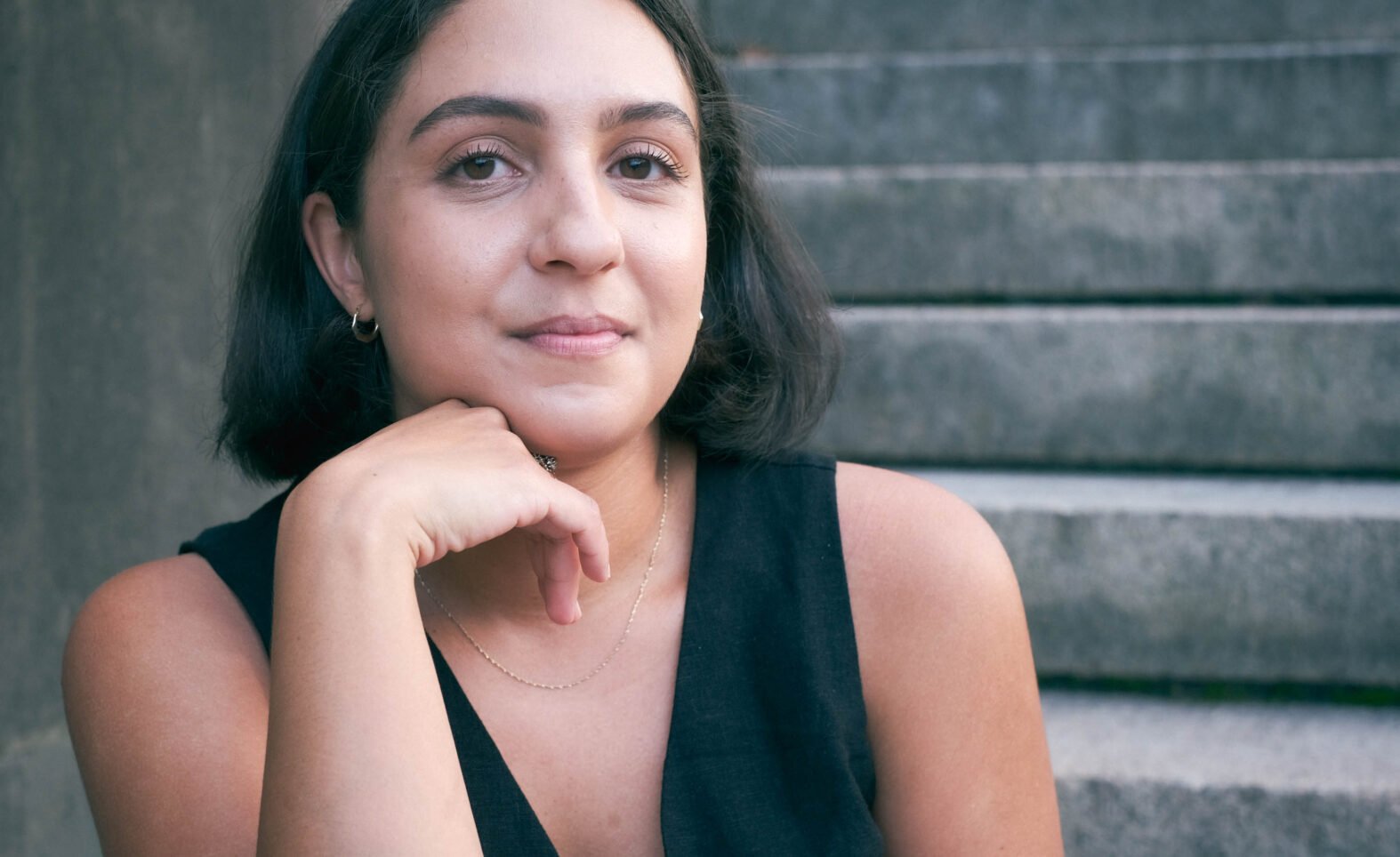
Behind the production are Rachel Barclay and Julie Deffet of Mae Productions, who believed in the importance of telling this story while allowing its creators the freedom to remain true to their experiences. For Barclay, whose journey into filmmaking began in distribution and film programming before she ventured into producing, Good Not Great represents another opportunity to support a story that challenges conventional narratives and creates room for meaningful conversations. Following positive audience reactions at film festivals, the short is now available on YouTube, with hopes of eventually developing it into an episodic series.
In this conversation, we reconnect with Rachel Barclay to discuss what attracted her to the project, the responsibility of producing a story rooted in someone’s lived experiences, the challenges of independent filmmaking, and why she believes a good short film should be able to stand on its own, even when there are ambitions for something bigger.
Rachel: Thank you so much! Well, I started my career in the film industry in distribution and then moved into film programming, working at TIFF for many years. When I was let go from my full-time position during the pandemic, I started to wonder what working in production would look like. I never really had aspirations to be a director, but producing seemed interesting and a bit of an enigma to me. I loved the idea of working on the creative side of things and being part of the process, rather than always working with the finished product, like you do in programming. So I decided to try producing, and I ended up working on a bunch of short films, which somehow led me to commercial production as well, working with big brands and government agencies. The two experiences are very different, but I think they inform one another. They’ve given me valuable lessons that I can apply to independent film producing, and they’ve actually made me a smarter programmer as well.
Rachel: It’s really both at this point. Deciding to take on a project definitely starts with the story, but also with whether or not I want to collaborate with the creatives involved. I love helping out my friends when they need it, and because I know their vision and their work ethic, I’d say yes to working with a lot of people if I have the capacity, regardless of whether I feel a super strong connection to the material. Of course, that connection is often there anyway when we’re aligned in other ways. Lately, though, I’ve started to make chasing stories that really resonate with me more of a priority. I’m still learning and growing and earning my stripes, so to speak, but I think I’m moving to a place where that’s becoming a bigger focus.
Rachel: Matt’s story is so layered and complex, yet also so relatable for many people, whether that’s folks who experience bipolar disorder themselves or their loved ones. The fact that Matt was willing to be so vulnerable in sharing his experiences made telling this story feel that much more important. There was no doubt that people would connect to it in some way, shape, or form. Obviously, Matt already has a following, but the conversations he’s been able to have beyond what’s on screen, through Q&As at festivals like Dances With Films and online in interviews and podcasts, along with the kind feedback from audience members, only go to show how much more a story like his resonates when the creators are open about their personal connections to what’s reflected on screen.
Rachel: My producing partner, Julie Deffet, and I had faith in both Matt and the other writer/director/editor, Nick von Gremp, to tell a story that felt true to Matt’s real experience, and we trusted their vision from the first time we read the script. There were some scenes that felt a bit more sensitive, and we had some conversations internally about what Matt experienced so we could properly understand the circumstances. Ultimately, though, we followed their creative lead on how they envisioned it. That also pairs well with all the highly stylized visual choices the team made, which I think really shape how the audience is immersed in the world of the film, which is essentially Matt’s mindset.
Rachel: We explored a few different locations for the comedy show scenes, which in a way are the second narrative thread that pulls the story together, after the therapy office through line. When looking for locations, we looked at real comedy clubs where Matt would perform. We wanted it to feel as though he was actually on stage performing, but we also wanted the audience to sense that these scenes are a flashback, specifically from Matt’s perspective, so in the end they feel a bit dreamlike. I think we were able to achieve this through the location we ended up using, Sultan’s Room, which is the stage at the back of Turk’s Inn in Bushwick, where we also shot the lunch scene where Matt tells Marquis his relationship news. The room is quite large, bigger than a tight New York comedy club, so it gave the team some space to play and create that sort of flashback, out-of-body experience the scenes convey. The DP, Antone Axton, also used a haze machine throughout the shoot to achieve various visual effects, which really enhanced the flashback vibe in the comedy club scenes.
Rachel: There’s always a hope that a proof of concept will turn into whatever the fully formed concept is. In this case, Good Not Great is actually a series, and this could be the first episode, but we also talked about it being able to stand on its own as a complete piece of work that we can be proud of. For me, I’m only really excited about a project if it can stand alone and be seen as a great piece of work on its own. If it becomes a vehicle for something more, that’s just a bonus. The boys have written so much and put in so much time and effort since the short was completed, and of course the hope is that this piece helps fuel future production in some way. But as a whole, it’s something to be proud of all on its own, and for me, that’s really awesome.
Rachel: Julie and I have worked on numerous projects together, and Good Not Great was actually one of the first where it was just the two of us producing. I’d say we got off to a pretty good start! We’re actually quite different, professionally and personally, but I think our styles complement each other. The wonderful thing about working with a producing partner is being able to lean on each other for help or advice, or simply for support when production gets hard (which it so often does). I think we’re both big-picture thinkers, but I’m more detail-oriented and often find problems upfront so we can solve them early. Julie, on the other hand, is often the one who leaps a little before we’re ready and is less afraid to take the big swing, which is super important in filmmaking as well. I think that balance really works in our favour as scrappy indie producers.
Rachel: Oh man, we faced so many challenges, haha! A lot of the ones I dealt with directly were related to locations. We negotiated after-hours use of the medical office we used as the therapist’s office, and I had to bribe the woman overseeing the location to let us stay longer, all on the same day Julie got really sick and fainted on the way to set. We also navigated park rangers at Orchard Beach while shooting the Croatia scenes, on a freezing cold morning in May when it was definitely not bathing suit weather. As I mentioned before, being scrappy in these situations and sometimes pushing up against rules and boundaries is a challenge for me, since I’m more of a rule follower, but I think I’m getting better and better at navigating and negotiating for these things upfront. I think one of my strengths overall is understanding people, knowing how to approach them, and working within their lines and by their rules, which has gotten us into more and more spaces and places as I take on more projects.
Rachel: Honestly, it’s been so positive, which is super fulfilling! We had our first public screening at Dances With Films NY, and so many of our friends and family were there, which was great. But the cool thing about screening a short at a film festival is that there are also a lot of people in the audience who are there to see other films. So when you hear laughs during the screening, and strangers come up to you afterward to tell you how much they enjoyed it, that’s a really cool feeling. The film is now on YouTube and we’ve been sharing it far and wide, so if you haven’t seen it yet, go give it a watch! https://www.youtube.com/watch?v=eNCEh642pBI
Rachel: That’s the hope and the dream! If not now, then in the future for sure. As the film moves through its exhibition phase, Matt and Nick are definitely looking for ways to turn the positive feedback into something that can generate funding and momentum. So fingers crossed, because the rest of the story only gets more interesting!
What comes through quite clearly in our conversation with Rachel Barclay is her understanding that producing is as much about believing in people and their stories as it is about finding practical ways to bring those stories to life. Her experience working on Good Not Great highlights the importance of trust, collaboration, and sometimes having to think on your feet when things do not go according to plan.
It also shows how a producer’s willingness to support unconventional storytelling can create opportunities for important conversations, particularly around subjects that are still often misunderstood or treated with discomfort. Perhaps one of the more interesting things about Barclay’s approach is her belief that a short film should be appreciated for what it accomplishes on its own, rather than being judged solely by its potential to become something bigger.
Although there are hopes of expanding Good Not Great into an episodic series, she remains proud of the film they have already made and the connections it continues to create with audiences. And that, in many ways, speaks to the very reason she chose to work in filmmaking in the first place.
As the team continues to explore what the future might hold for the project, Good Not Great serves as another reminder that even the most uncomfortable human experiences can inspire stories worth telling, and sometimes laughter can help make those conversations a little easier to have.
Joe Bongiovanni's 'The Turtle' is a quiet but emotionally resonant character ...
There is something quietly powerful about short films that know exactly ...
Leave A Reply