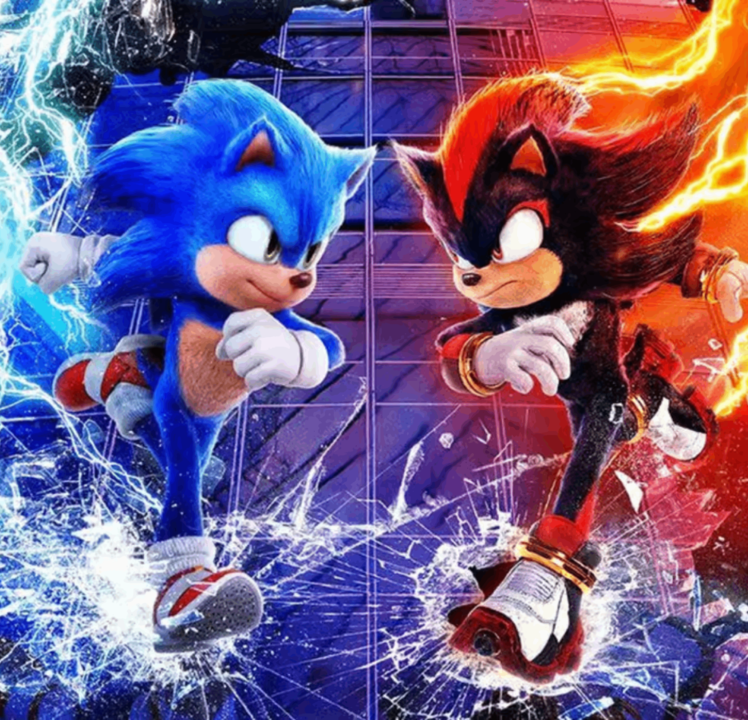
Sonic the Hedgehog 3 – A Stunning Adventure That Falls Short of Its Full Potential
The Sonic franchise has long held a special place in the ...

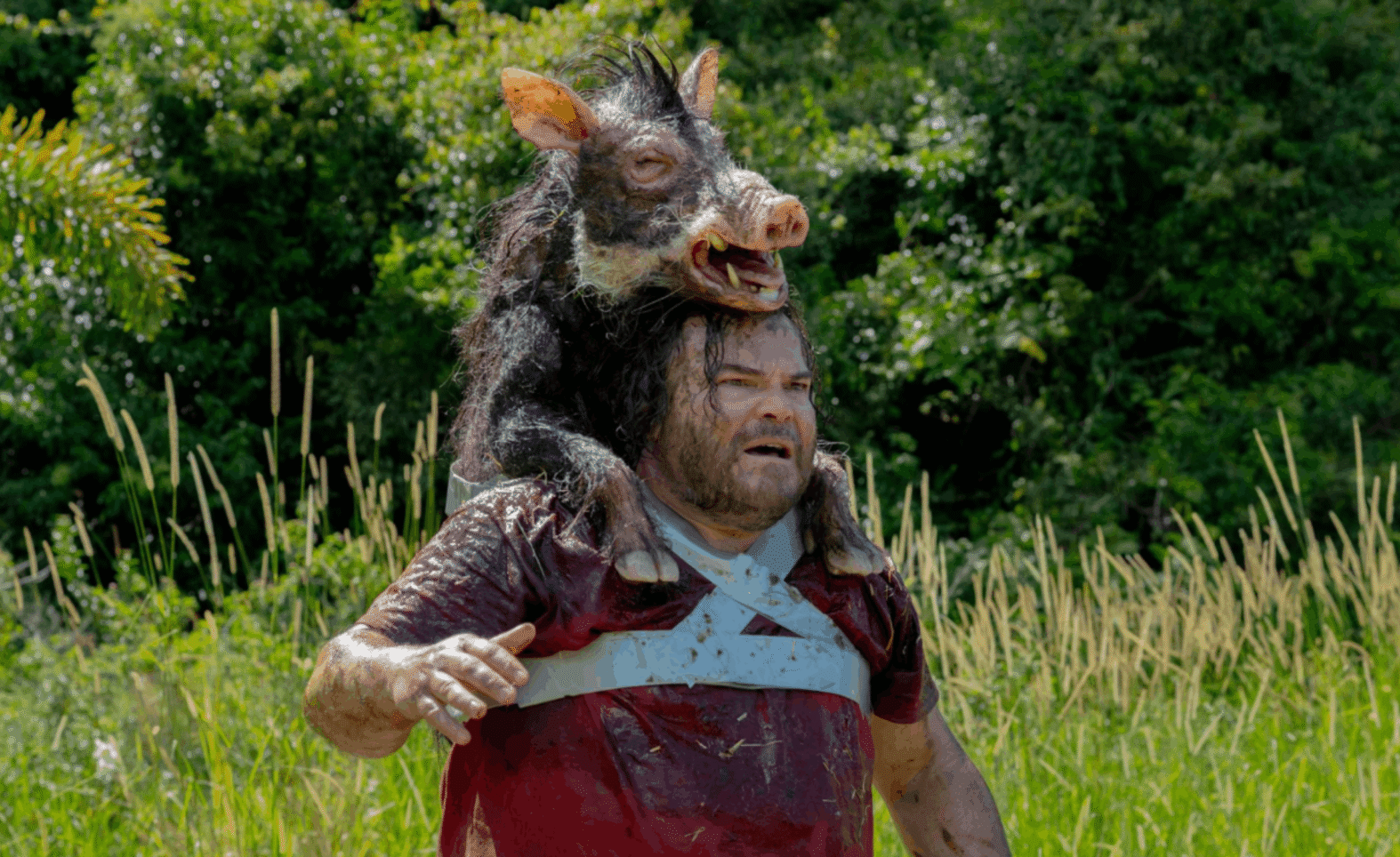
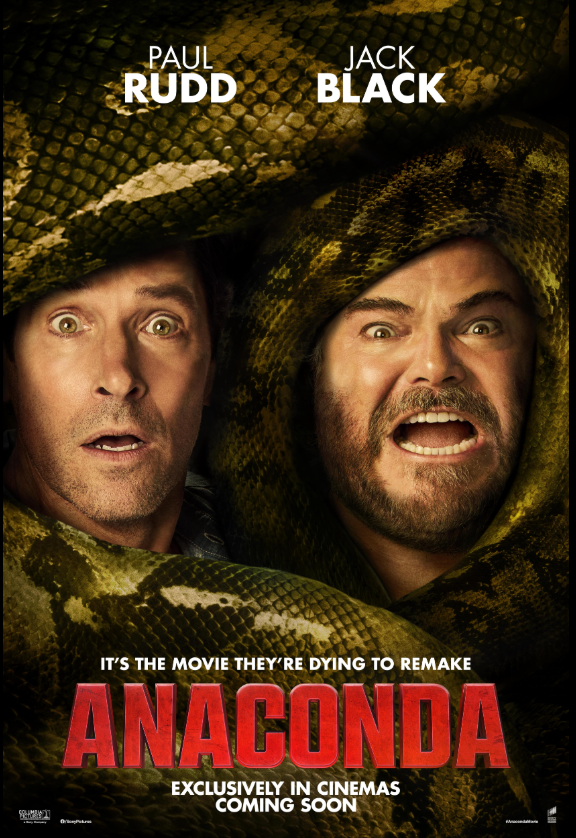
When this new Anaconda was first announced, scepticism felt almost mandatory. Revisiting a film that was already gloriously absurd sounded like the kind of idea born in a studio boardroom rather than from creative necessity. And yet, against expectation, Anaconda doesn’t slither onto the screen as a lazy reboot or hollow cash grab. Instead, it arrives as a strange, self-aware comedy about nostalgia, regret, and the quiet panic of realising life didn’t turn out quite the way you imagined.
At its centre are Doug and Griff, lifelong friends played by Jack Black and Paul Rudd, men who once dreamed of making movies and now find themselves stalled in various flavours of disappointment. Doug directs wedding videos. Griff drifts through minor acting gigs. Their shared past once vibrant and hopeful, has been boxed up, literally, on ageing VHS tapes. When the opportunity to remake their beloved childhood favourite Anaconda presents itself, it feels less like a business decision and more like a last grasp at reclaiming something they’ve lost.
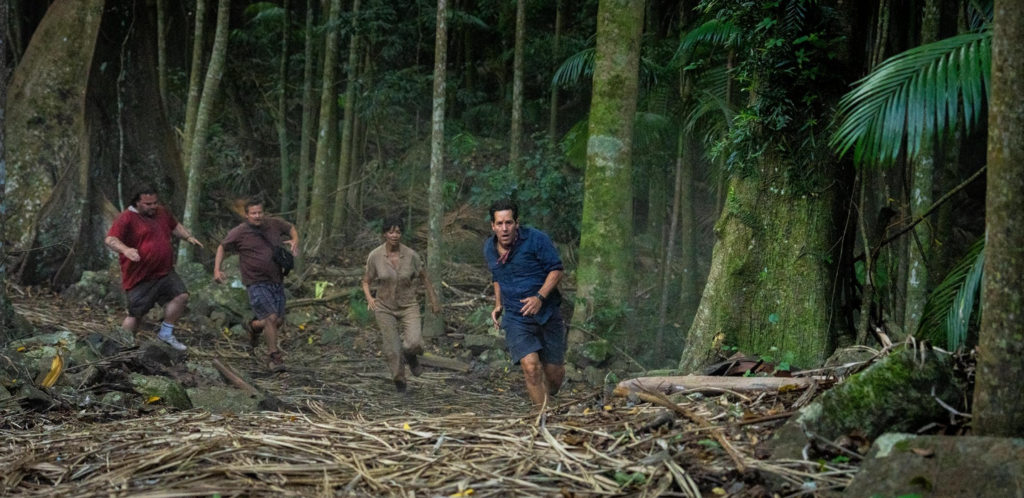
That emotional undercurrent is where the film is at its strongest. Beneath the jungle chaos and absurd premise lies a surprisingly tender reflection on creative compromise and middle-aged longing. These characters aren’t chasing glory; they’re chasing proof that their younger selves weren’t foolish for dreaming so loudly. The Amazon expedition becomes both a physical journey and an emotional reckoning, even if the film doesn’t always know how long to sit with that idea.
Comedically, Anaconda is uneven. When it works, it’s genuinely funny, leaning into slapstick, escalating misfortune, and moments of inspired silliness. When it doesn’t, the jokes feel familiar, sometimes stretched thin, and occasionally mistimed. The pacing takes a while to find its rhythm, and the film often struggles to land its biggest laugh beats cleanly. It’s the kind of comedy that feels more successful in bursts than as a sustained flow.
Black and Rudd remain deeply likeable, even when the script underuses their individual strengths. Their chemistry doesn’t always crackle, but there’s enough shared warmth and cultural nostalgia between them to keep things afloat. Watching them navigate insecurity, pride, and buried affection gives the film its emotional anchor. Steve Zahn injects much-needed chaos and energy, frequently stealing scenes, while Selton Mello’s eccentric snake trainer becomes an unexpected delight, grounding the madness with perfectly pitched absurdity.
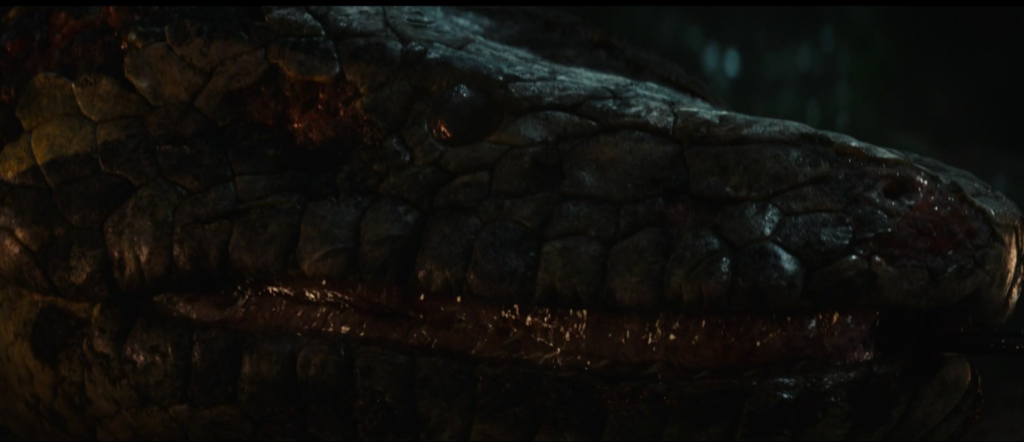
Visually, the film makes good use of its jungle setting. Night sequences in particular add texture and atmosphere, reminding us that even a comedy benefits from mood. When the titular anaconda finally asserts itself, the film embraces its ridiculousness without apology, understanding that realism is beside the point. This is not about fear, it’s about escalation, spectacle, and letting things spiral just far enough to remain fun.Where Anaconda ultimately succeeds is in its self-awareness. It understands the absurdity of its existence and leans into it with affection rather than irony. The film pokes fun at Hollywood’s obsession with familiar IP while simultaneously admitting how comforting those stories can be, even when they’re messy or imperfect. It doesn’t pretend to be groundbreaking. It just wants to entertain, reflect, and maybe make you laugh at the strange places nostalgia can lead us.
Anaconda isn’t a great comedy, but it is an earnest one. Flawed, uneven, and occasionally sluggish, yes, but also charming in its sincerity. Like its characters, it stumbles, overreaches, and keeps going anyway. And sometimes, that’s enough to make the ride worthwhile.
The Sonic franchise has long held a special place in the ...
Filmmaking, at its core, is about connection, bridging experiences, and emotions, ...


Leave A Reply