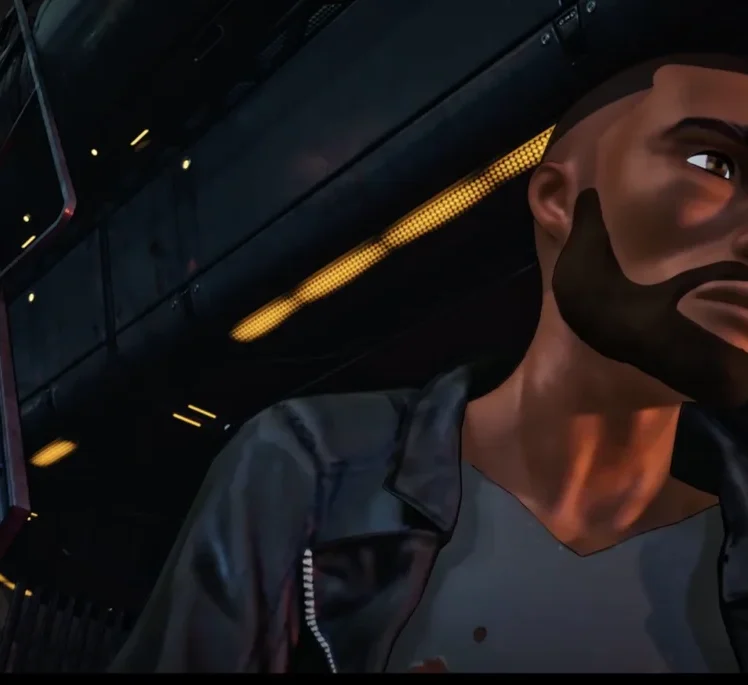
Explosive Mind-Bending Animated Sci-Fi Thriller set for UK & US release.
HaZimation is excited to share that their animated action-thriller Max Beyond will be available ...

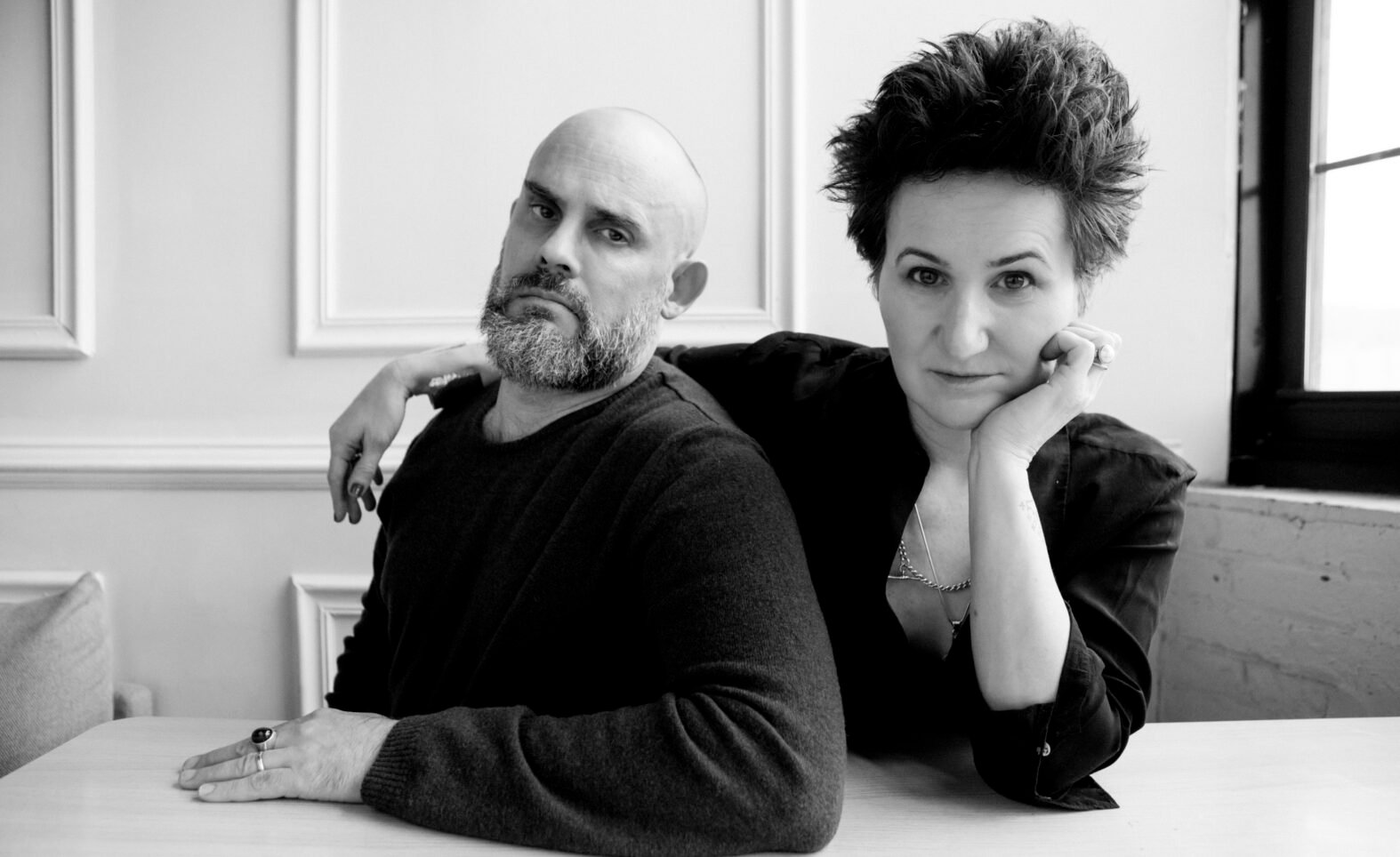
Some films announce themselves loudly. 1981 doesn’t. It creeps up on you softly, awkwardly, then all at once. Set in suburban Long Island at the dawn of the 1980s, Andy London and Carolyn London’s animated short revisits a childhood memory that feels both absurd and deeply unsettling: a birthday party, a hired stripper, and a room full of teenagers who don’t yet have the language for what they’re witnessing. Premiering at Sundance, 1981, it is less interested in scandal than in aftermath. It captures how moments we don’t fully understand at the time lodge themselves in our bodies and resurface decades later as questions.
In this conversation, the Londons reflect on memory, discomfort, trust, and the delicate, yet profound, line between beauty and unease that defines both the film and their long-standing creative partnership.
Andy London: Carolyn and I have been making films together since 1999. It’s often messy and chaotic. Sometimes it can be ugly and painful. Nonetheless, over the years we have developed a deep trust in each other that allows us to transcend the everyday challenges and produce work that is larger than ourselves.
Carolyn London: we came from different creative practices…I was writing plays and doing theatre, Andy was a painter and graphic novelist. We started making animated projects together, like music videos – and it really caught fire and became something that was satisfying and collaborative and fun.
AL: The actual experience was gritty- you had a stripper strutting down a carpeted staircase peeling off her clothes, parents beaming with delight and a bunch of pimply teenagers staring up at this middle-aged lady, trying to figure out who she is and why she is taking all her clothes off. It was Carolyn’s idea to make the striptease beautiful in order to transform the actual event into something more lasting and meaningful.
CL: when Andy told me the story is pretty shocking. But I thought there was a kernel of something there was interesting. Could this event be award as hell…but also transcendent? It got us thinking about the nature of memory and how we process these experiences when we don’t have a vocabulary to talk about what’s happening.
AL: We wanted the film to have a surreal, memory-like quality. And rotoscoping felt like the best way to portray this because it’s both realistic and ghostlike.
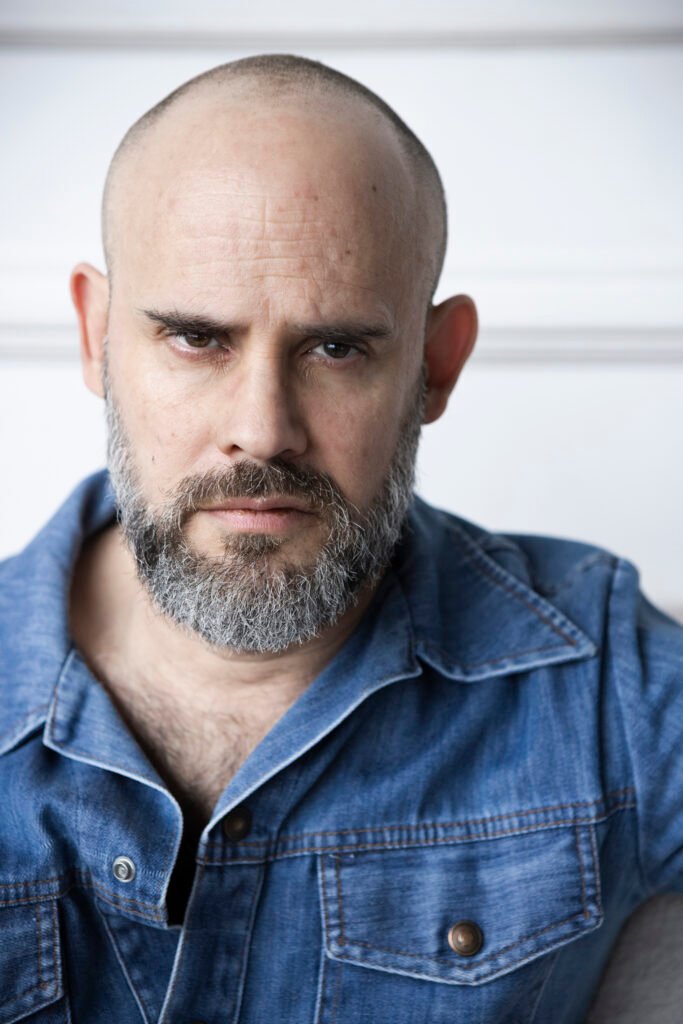
Andy London photographed by Rose Callahan on March 16, 2025 in Brooklyn
AL: Our son who played the main character was going through a growth spurt, so we had to wing it a bit, rotoscoping any retakes. Also, the days we shot Minnie Tonka, the burlesque dancer, were extremely hot and her pasties kept flying off. So, we had to wing that, too.
CL: That’s true. It was SOOO hot the weeks we were shooting.
AL: It’s something we’ve had to walk that line with, for many of our films. I think it comes down to honesty. Making a shocking story is easy but actually working through and wrestling with all those uncomfortable feelings and distilling them into something emotionally authentic is the hardest part of filmmaking. You have to have trust in your collaborators and let go of your need to control, a VERY hard thing for a director or an animator.
CL: You have to keep asking yourself, ‘what’s the intention?” If the intention is honest, if you’re genuinely curious and empathetic to your story and your characters, I think it’s pretty hard to be exploitative.
AL: Growing up in Long Island in the early 80s felt a bit like a David lynch film. Everything looks idealistic on the outside, but when you scratch beneath the surface, you realize it’s a facade. Its seedy underbelly is revealed. That’s what we were going for.
AL: All our films make people uncomfortable and that’s fine. As artists and storytellers, we’re interested in uncovering the truth which presents as both beautiful and ugly and we can’t control that, nor do we want to.
CL: We like to live in the Venn diagram of beauty and discomfort.
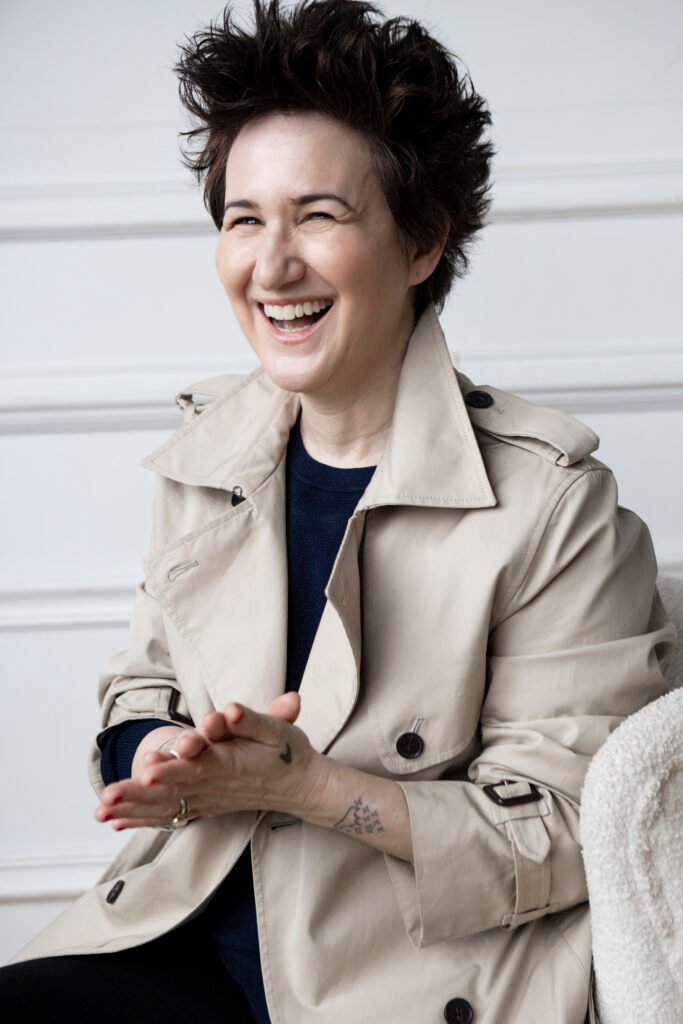
Carolyn London photographed by Rose Callahan on March 16, 2025 in Brooklyn
AL: 1981 is a proof of concept for a show we’re pitching, called “Strong Island”. With future episodes, we’re hoping to broaden the conversation about all the beautiful/terrifying things that make us uniquely American.
CL: This potential show gives us a chance to look at the world 40+ years ago…as a way of understanding our own moment as well.
WHAT WERE THESE PARENTS THINKING?!
AL: Don’t aim to provoke. Instead ,search for the emotional truth of what you’re trying to convey and build your story from there. Whenever art or a story reveals something hidden, it’s only natural it will make us uncomfortable.
CL: Follow your curiosity. If it’s interesting to you, it’ll be interesting to an audience.
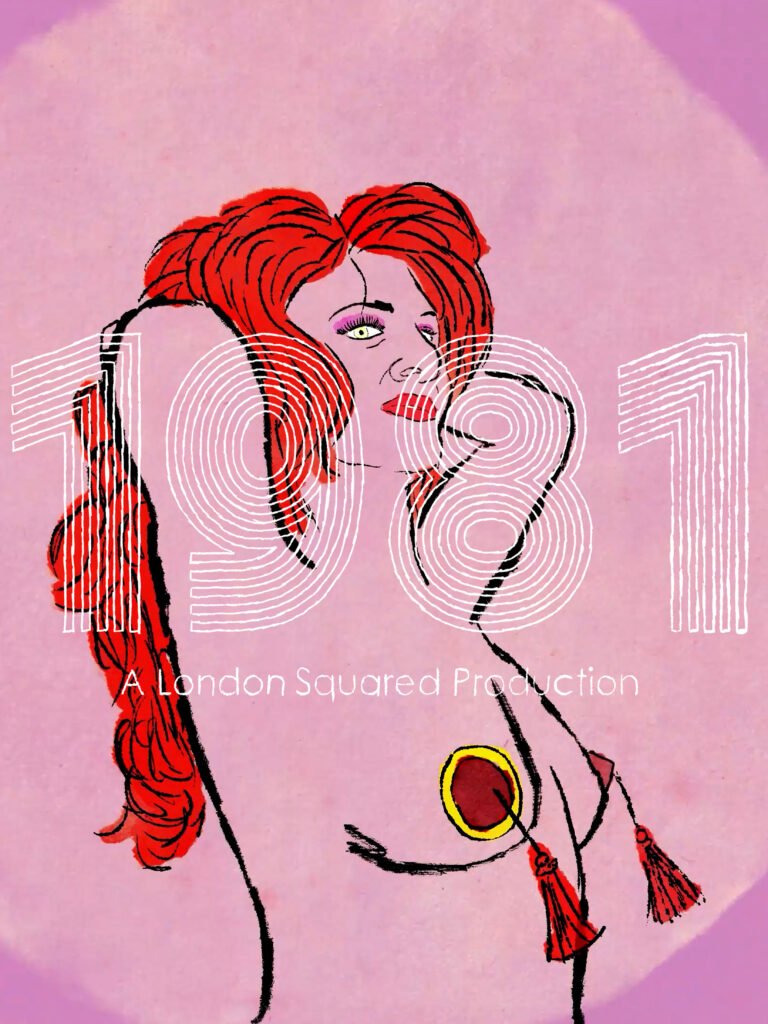
What 1981 ultimately leaves us with is not clarity, but residue. You know, the kind that refuses to settle neatly. In listening to Andy and Carolyn London, it becomes clear that their work isn’t about offering answers or moral conclusions, but about staying with the questions long enough for honesty to emerge. Discomfort, for them, is not a byproduct of storytelling but a signal that something real has been touched. As 1981 invites audiences to look back at a moment shaped by silence, misplaced pride, and cultural blind spots, it quietly asks us to examine our ownwhat we excuse, what we normalise, and what we choose not to explain. And perhaps that lingering question. ‘What were these parents thinking?. This less about the past than it is about how we choose to show up now.
In Conversation With Reina K., brings to you the kind of scoop that gives you a real insight into the mind, drive and craft of filmmakers from across the world.
HaZimation is excited to share that their animated action-thriller Max Beyond will be available ...
The Sonic franchise has long held a special place in the ...

Leave A Reply