
Moana 2 – Returning to Familiar Waters
There’s something comforting about returning to familiar waters and that’s exactly ...

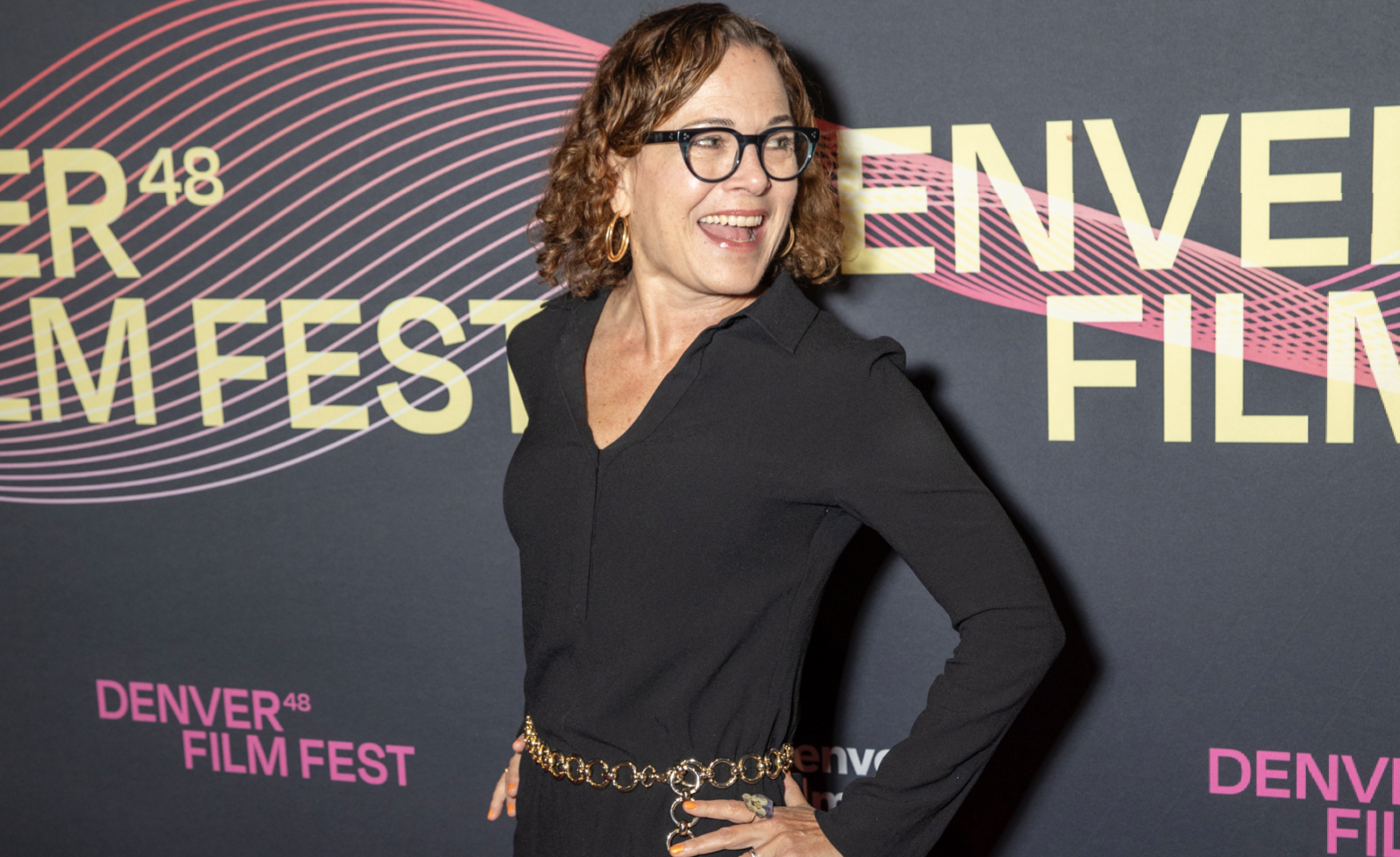
There are films that entertain, and then there are films that gently take your hand and walk you into a room most people are too afraid to enter. Lay Lefty Down is the latter.
In this darkly comedic yet deeply tender short, Traven Rice transforms her lived experience with breast cancer into something disarming: a memorial for a left breast that becomes a confrontation with fear, silence, and the cultural awkwardness surrounding illness. What emerges is not just satire, but solidarity. In this conversation, Traven Rice speaks candidly about vulnerability, community, and why laughter when offered with an open heart, can be one of the most radical forms of healing.
Traven: I grew up in the theater, but studied film in Prague after college, and I made my first short film over there. It was a story about a magical night tram ride that starts with what seems like a hijacking but turns into a Romani dance party. It’s about bringing people together, from all different backgrounds, to break through stereotypes. And I was hooked.
Traven: I really believe laughter is vital, especially when things get tough, and I was asking people close to me to send me their cancer jokes while I was going through treatment, but I started realizing it wasn’t something most people were comfortable even talking about, let alone laughing about. I got the idea of having a memorial for a breast and I couldn’t let it go (the idea, not the breast. I obviously had to let go of the breast).
Traven: I called up Brady Walker, a fellow writer who I knew through our film collective. He writes comedy really well, so I asked him if he’d be up for a comedy about breast cancer and pitched him my idea. I was thrilled he was up for it.
Traven: I started with my friends and community of filmmakers, who all knew what I was going through – and how serious it really was. Luckily they offered a safe enough space for me to workshop the script. And the partners came easy, because sadly my DPs wife also happened to be going through treatment and my producer’s mother had just gone through it as well.
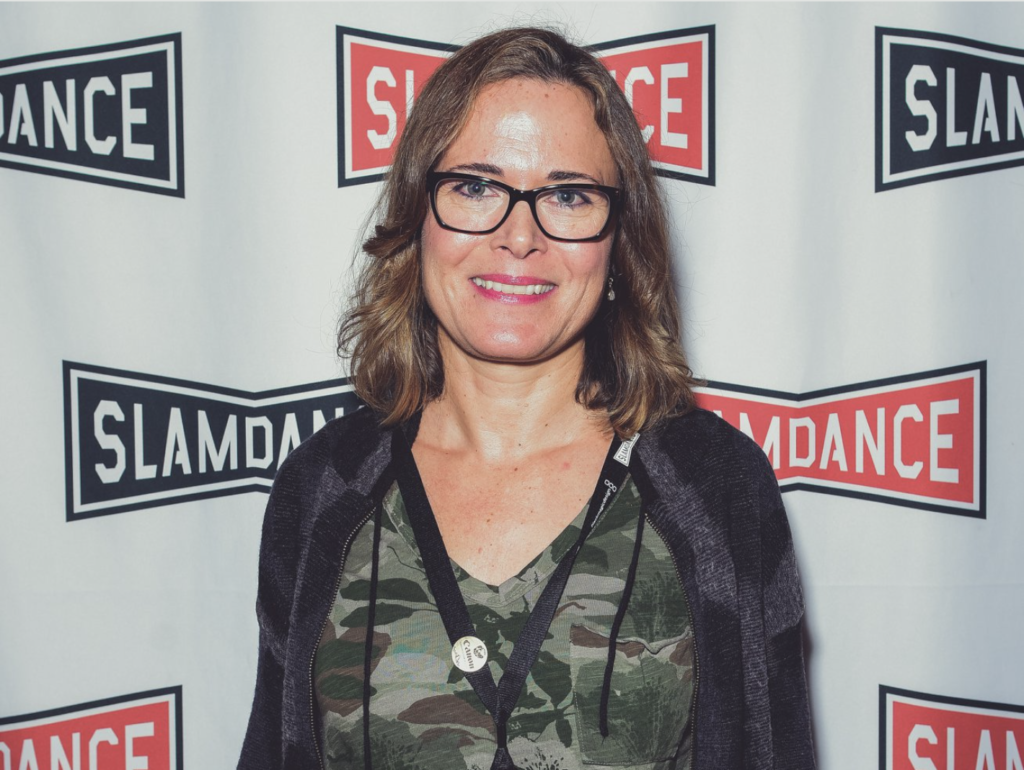
Traven Rice
Traven: Almost everyone involved from early on has had someone close to them go through it, so that made it a creative project that people had more incentive to get behind, from the beginning.
Traven: It may have slowed us down a bit, to be honest. But once I was finished with most of the treatment, we also felt like we wanted to get it right and there was no reason to rush.
Traven: I did my best to incorporate personal stories and experiences from other women who had gone through it. I also don’t have kids and do have a very supportive husband, so those things are different than what’s in the film.
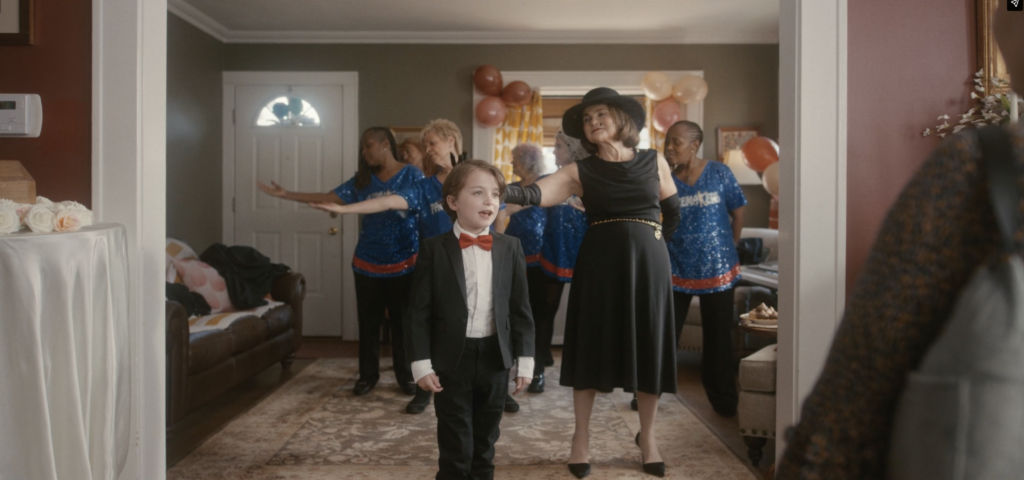
Traven: We wanted some top tier talent to be involved, which means a bigger budget than your average short, so crowdfunding felt like the way to go, from the beginning. Shooting in one location was always the idea, though, as a creative way to save money on the shoot.
Traven: Yes. It’s for anyone who’s ever gone through treatment or who has had someone close to them go through it. And for anyone who could use a laugh and some support in sharing their own experience with something hard like this.
Traven: We’ve always been about bringing people together by offering a platform to share perspectives and experiences.
Traven: Absolutely. We are already working on the feature script.
Traven: I hope it sparks a conversation about supporting each other in more honest ways and making sure people don’t feel isolated or that they have to go through this stuff alone.
Traven: When it comes to subjects like this, I really think the comedy only works if you approach it with a big, open heart. It can’t be a cynical or snotty type of humor. So it’s not
laughing at, it’s laughing with.
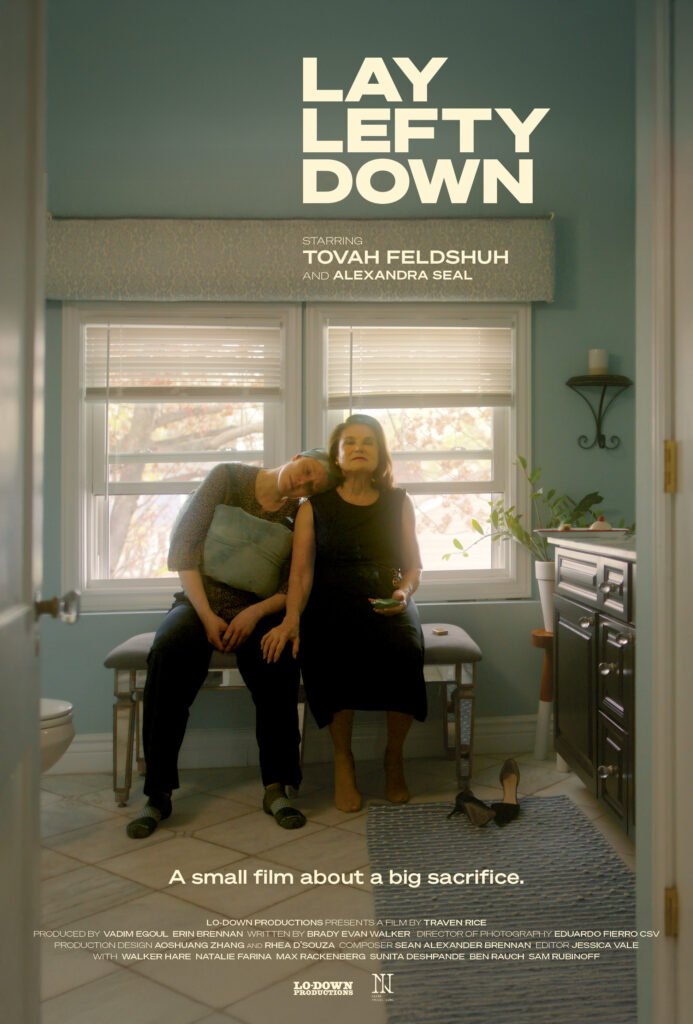
If Lay Lefty Down proves anything, it’s that the most difficult conversations often need the soft landing of humour. Traven Rice doesn’t laugh at pain. She laughs with it, around it, and sometimes through it. As the film prepares for its world premiere at the Oxford Film Festival, it carries with it more than sharp wit and strong performances; it carries permission. Permission to talk. Permission to grieve openly. Permission to find absurdity in the unbearable. And perhaps most importantly, permission to ensure that no one has to walk through something this heavy alone.
There’s something comforting about returning to familiar waters and that’s exactly ...
“Gamma Rays,” “American Theater,” and “Racewalkers” take home Feature Grand Jury Prizes ...


Leave A Reply