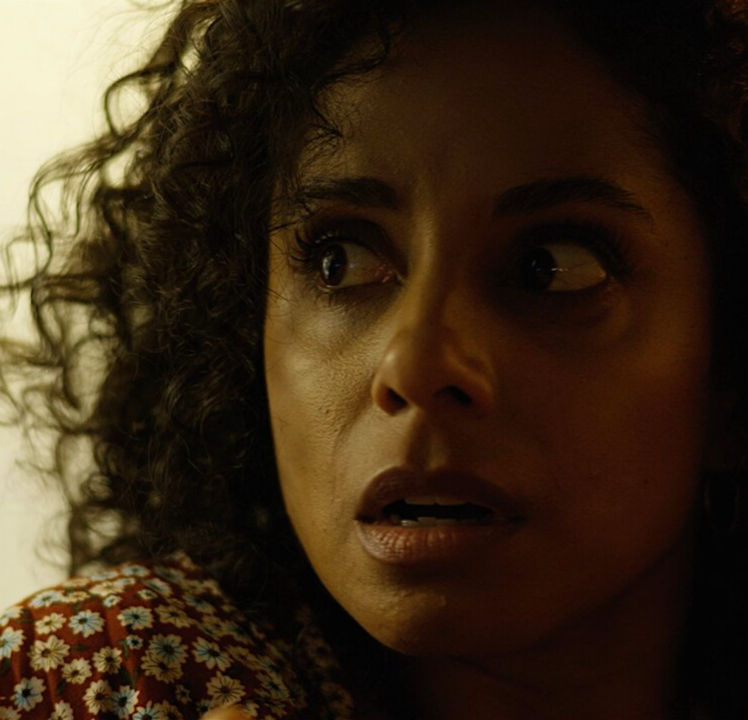
“5.7 Seconds” – Danger within and out.
"5.7 Seconds" is a short thriller/horror film directed by Tim Aslin ...

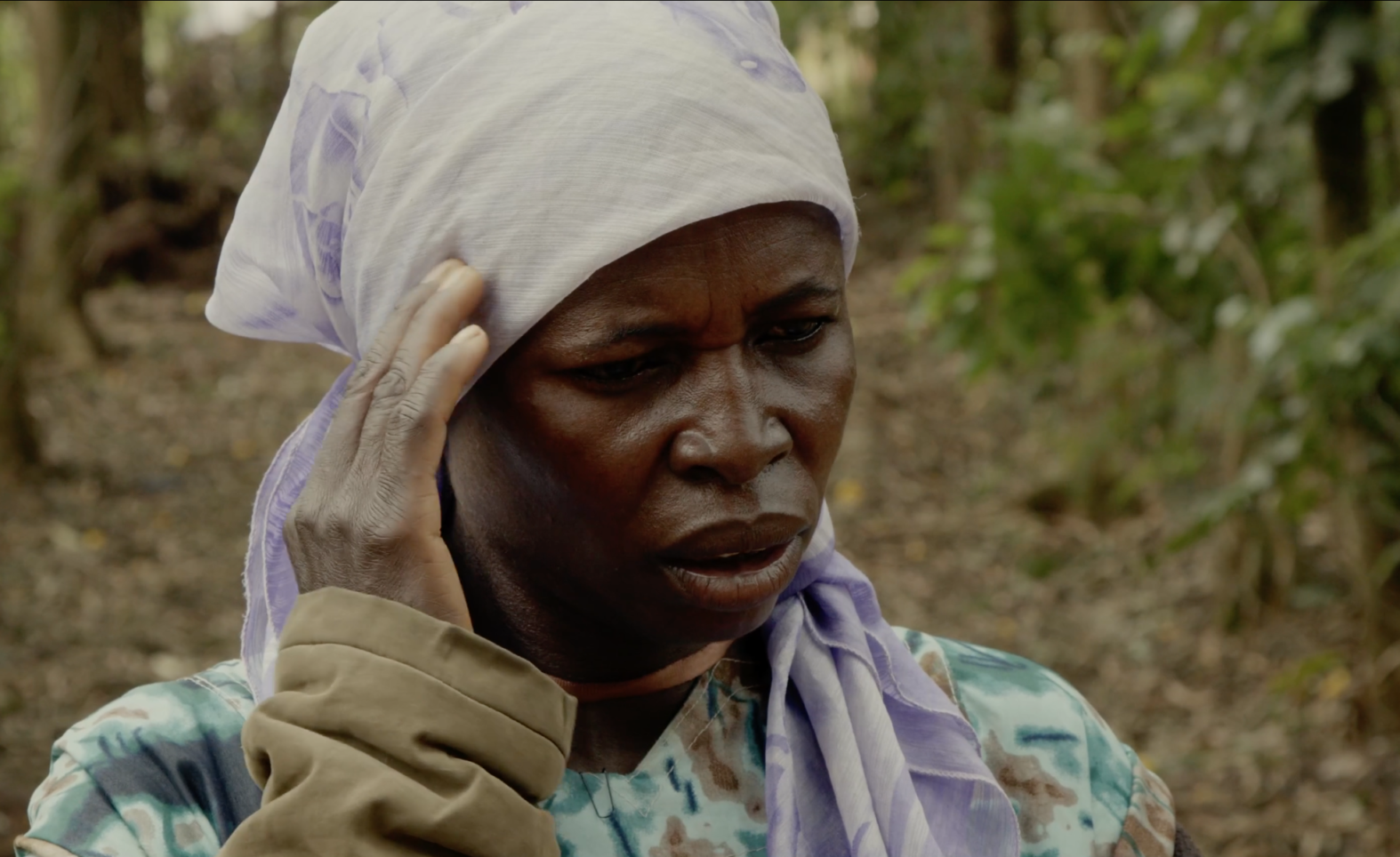
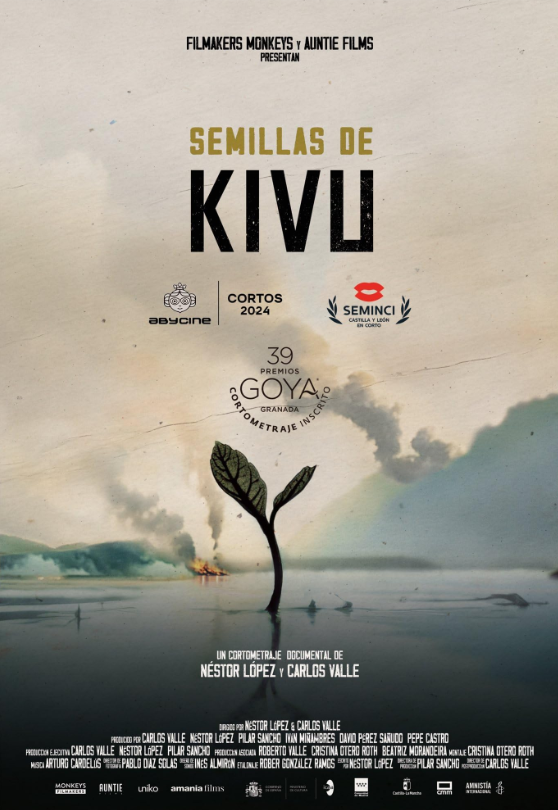
SEEDS FROM KIVU is the kind of documentary that finds a place inside you and refuses to leave quietly. It enters gently, but it sits heavy like the kind of truth that aches because it must. Directed by Néstor López and Carlos Valle, this short film leads us into a corner of the Democratic Republic of Congo where war, sexual violence, and displacement have become a cruel rhythm of life. And yet, even in that wounded landscape, it discovers tenderness, courage, and women who are fighting for themselves against all odds.
The women at the center of this story are survivors, not just of war, but of violence that lives inside the body long after the moment has passed. Many of them are mothers to children conceived through rape. This alone is a truth that could easily be sensationalised, but the film refuses spectacle. Instead, it sits beside them in therapy rooms, in quiet conversations, in the pause between one breath and the next. It asks, with heartbreaking softness. How do you learn to be yourself again when the wounds you bear are eternal and can speak?
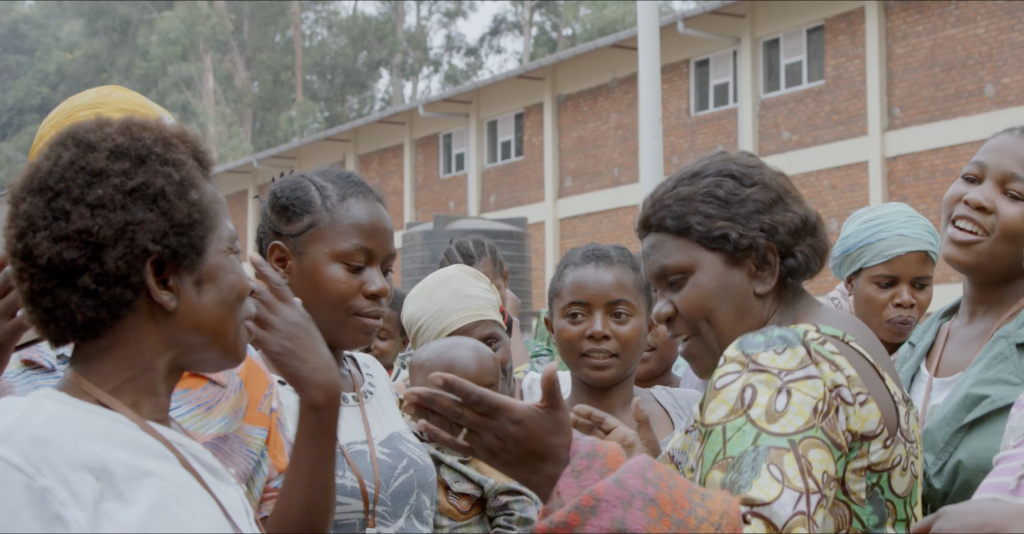
One of the first voices we hear says, “No one chooses where to be born.” It is such a simple sentence, yet it carries everything. The weight of injustice, the randomness of suffering, the small dignity of claiming your story anyway. You can tell that these women wished they had found themselves in a better place where they would have been protected or shielded from this kind of harm. From there, the film opens itself like a wound and a prayer at the same time. Girls speak of fear that clings like a shadow. One admits she lives every day afraid it might happen again. Another, her voice breaking in a place no camera can reach, says she hates herself. You hear it, and it’s like something in your own chest splits quietly.
But this film also offers light and hope. Not the kind that denies pain, but the kind that insists on shining through it. One woman, strong because she had to be, tells us how she rebuilt her life from nothing. She managed to turn a few dollars into a fledgling business that caters for her and her children. Her business turned into a possibility, and now she is able to revisit her aspirations of becoming a doctor. Her story, particularly, is a rising, a blooming, a refusal to let trauma be the final sentence.
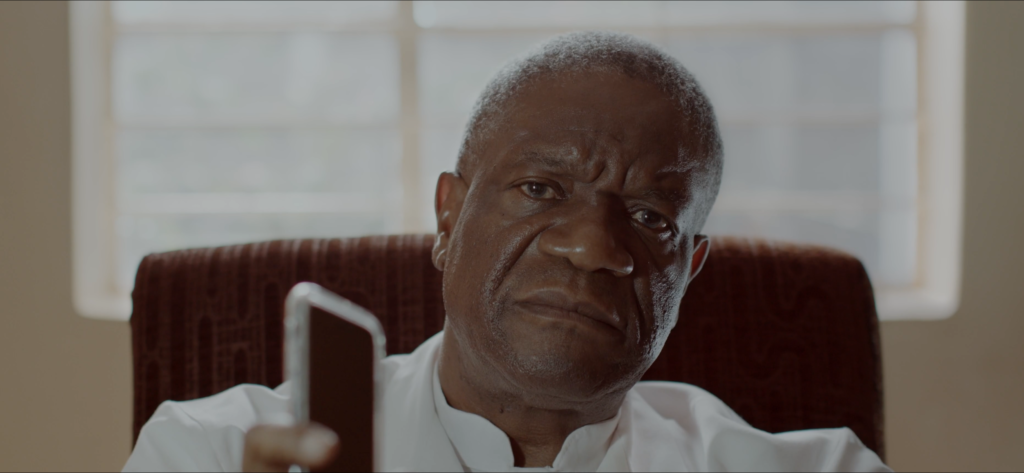
In the film, we also witness the work of Dr Denis Mukwege, the Nobel Peace Prize winner, whose presence brings both gravity and hope. At Panzi Hospital, he treats the women not as statistics, but as lives deserving restoration and dignity. His mission is not only to mend bodies and heal their scars but to hold the rest of the world accountable.
In just 26 minutes, SEEDS FROM KIVU paints a portrait of grief, fracture, community, joy, and survival. It shows darkness, yes, but it also shows women who refuse to disappear inside it. And that is indeed a necessary film.
"5.7 Seconds" is a short thriller/horror film directed by Tim Aslin ...
Are we truly prepared for death? Not just for ourselves, but ...


Leave A Reply