The Wanderer – A Haunting Dance Between Mortality and the Curse of Eternity
What choice would you make if, at the crossroads of death, ...

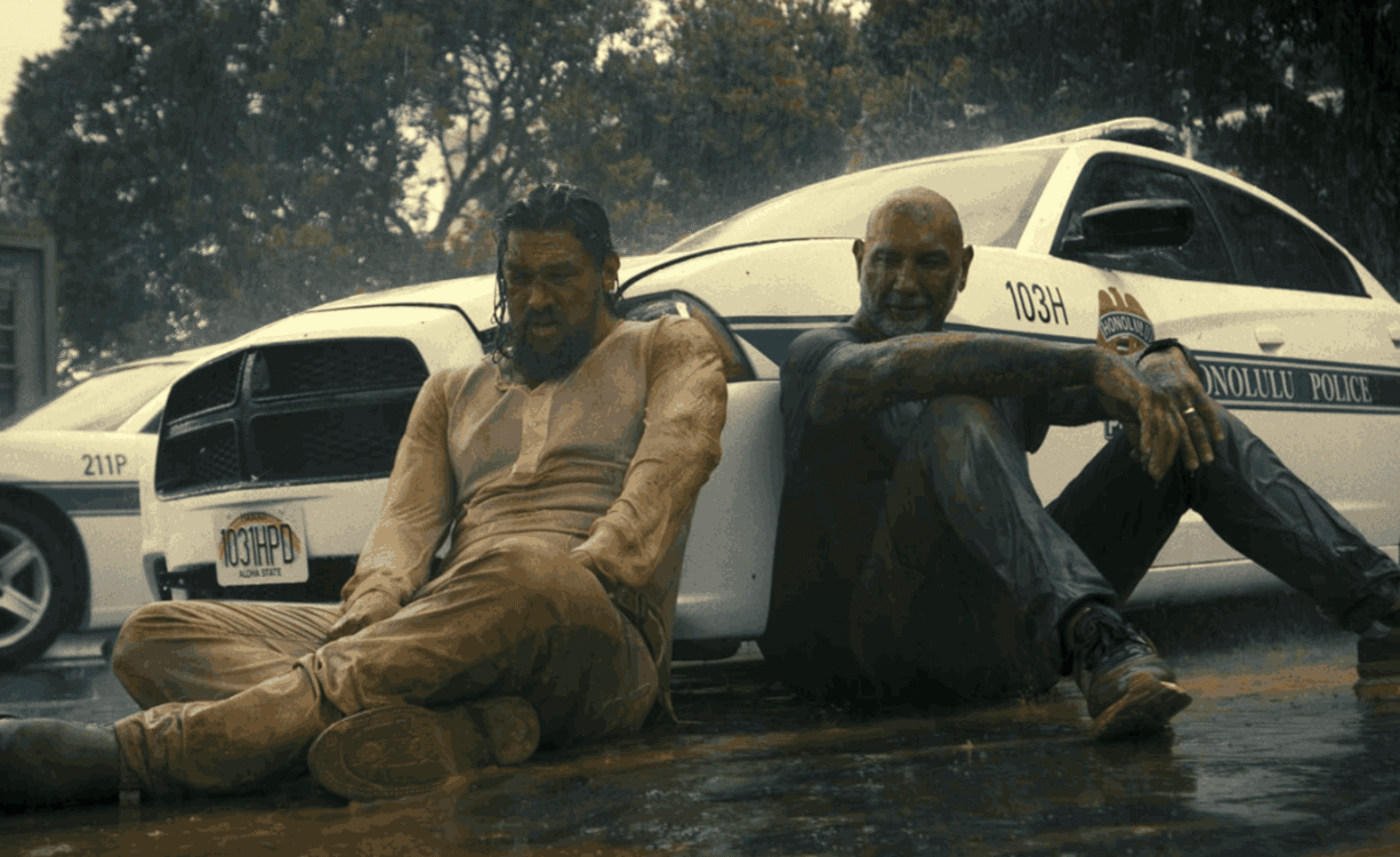
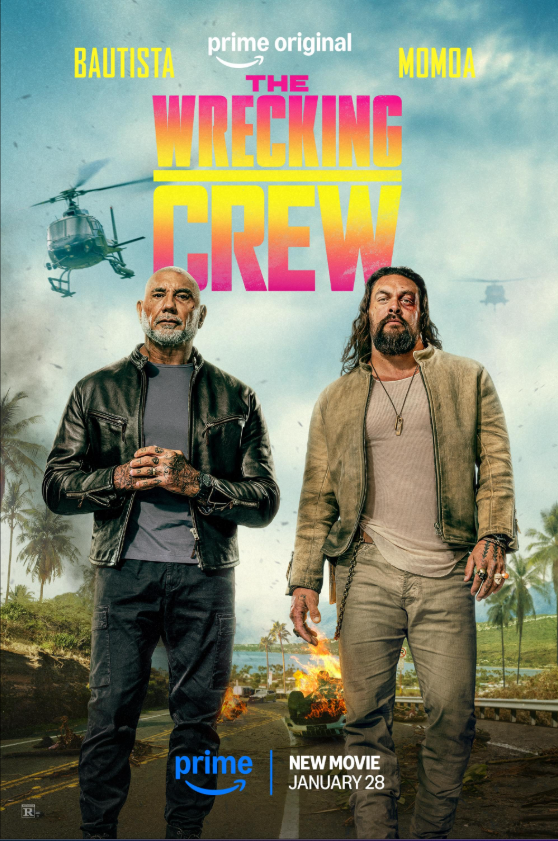
‘The Wrecking Crew’ feels like a film born out of contradiction. It wants to be loud and silly, bruising and heartfelt, nostalgic and even modern all at once. Sometimes that collision sparks genuine fun. Other times, it collapses under the weight of its own uncertainty.
On paper, the setup is irresistible. Jason Momoa and Dave Bautista play estranged half-brothers forced back together by their father’s suspicious death. It’s the kind of premise that promises combustible chemistry, wounded masculinity, and the kind of chaotic bonding only violence and shared trauma can produce. Add Ángel Manuel Soto behind the camera and a sun-soaked setting, and you expect swagger, momentum, and emotional clarity. What you get instead is something messier and occasionally charming, yet also often frustrating, and ultimately uneven.
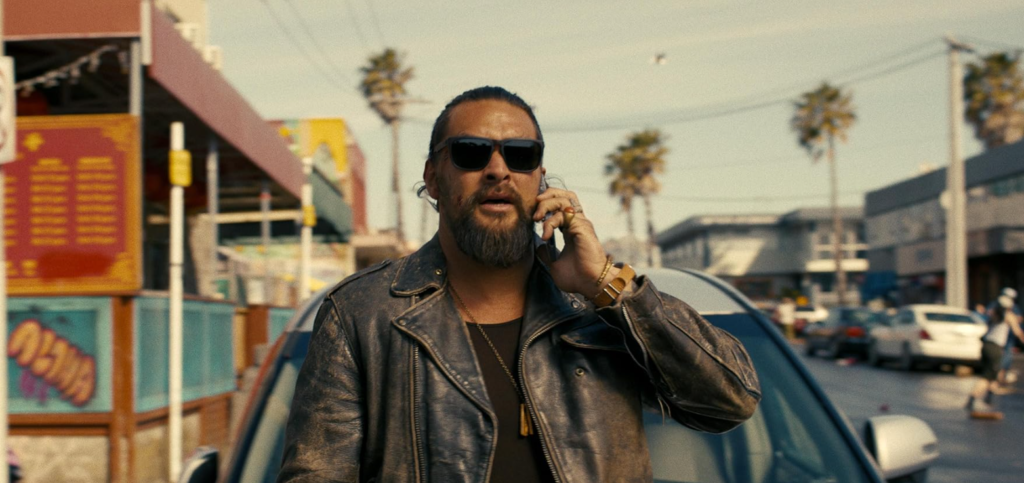
The film leans hard into action-comedy, but it never quite figures out how to balance the two. The jokes arrive frequently and loudly, as if volume alone might make them land. Some feel dated, others feel tossed in after the fact, and very few feel rooted in character. When the humor misses, it doesn’t just fall flat, it actively drains scenes of energy. Ironically, the moments that work best are the ones that abandon comedy altogether. When the brothers clash physically, when anger replaces banter, the film briefly finds honesty. Those scenes feel raw, cathartic, and alive in a way the dialogue-driven exchanges rarely do.
Momoa and Bautista are the film’s undeniable centre of gravity, though they’re not always used to their strengths. Momoa thrives early on, especially when the film allows him to lean into a feral, unhinged physicality that feels dangerous and playful at the same time. His presence is magnetic, and the camera loves him when he’s allowed to move, fight, and exist without a punchline hanging over every beat. Bautista, on the other hand, feels constrained. An actor who has repeatedly proven his sensitivity and emotional intelligence is given surprisingly little to explore here. His performance isn’t bad it’s muted by a script that seems unsure of what to do with him beyond “the serious one.”
That uncertainty extends to the film’s tone. The Wrecking Crew gestures toward emotional depth with themes like family betrayal, unresolved grief, and long-held resentment. But never gives those threads enough space to breathe. Just as a dramatic moment threatens to land, the film undercuts it with another quip or an overexplained plot beat. Nothing is allowed to sit. Nothing is allowed to hurt for too long. As a result, the stakes remain oddly weightless, even as bodies pile up and explosions erupt.
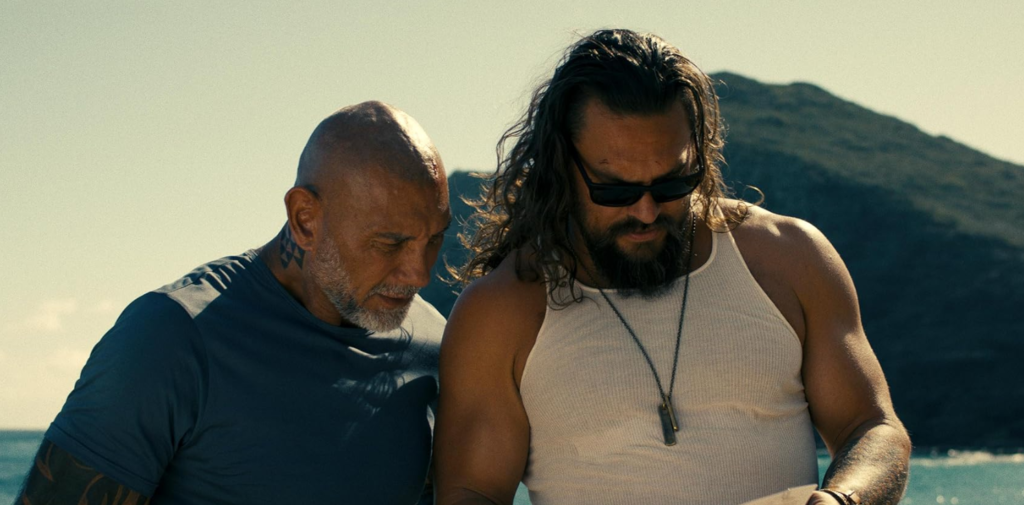
The action itself is competent but rarely inspired. There are flashes of intensity, especially early on, but much of it settles into familiar rhythms: serviceable gunplay, glossy chases, and fights that look impressive without feeling personal. It’s the kind of spectacle that’s easy to watch, easy to forget, and clearly designed for distraction rather than immersion.
The supporting cast fares unevenly. Talented actors drift in and out of the story, often reduced to functional roles delivering exposition, solving convenient problems, or serving as comic relief without real interior lives. It’s a missed opportunity, particularly in a film already struggling to create emotional texture beyond its central duo.
And yet, despite all of this, The Wrecking Crew isn’t devoid of appeal. There’s an old-school comfort to its ambition, a clear desire to echo the bombastic buddy movies of decades past. When expectations are lowered, when you stop asking it to be sharp or meaningful, it can be enjoyable in a breezy, disposable way. It knows its vibe, even if it doesn’t fully understand its voice.
Ultimately, The Wrecking Crew is a film that mistakes noise for confidence and excess for personality. Beneath the chaos, there’s a better movie trying to break through, one that trusts its actors, embraces its darker emotions, and understands that chemistry isn’t forced, it’s earned. What remains is a watchable but hollow experience, energetic on the surface, thin at the core, and gone almost as soon as it ends.
What choice would you make if, at the crossroads of death, ...
Potsy Ponciroli Directing Picture Which Commences Photography In July May 10, 2024 – ...


Leave A Reply