
In Conversation: Mark Andrew Altschul on Crafting All American With Honesty and Heart
There’s something undeniably powerful about the way a story finds its ...

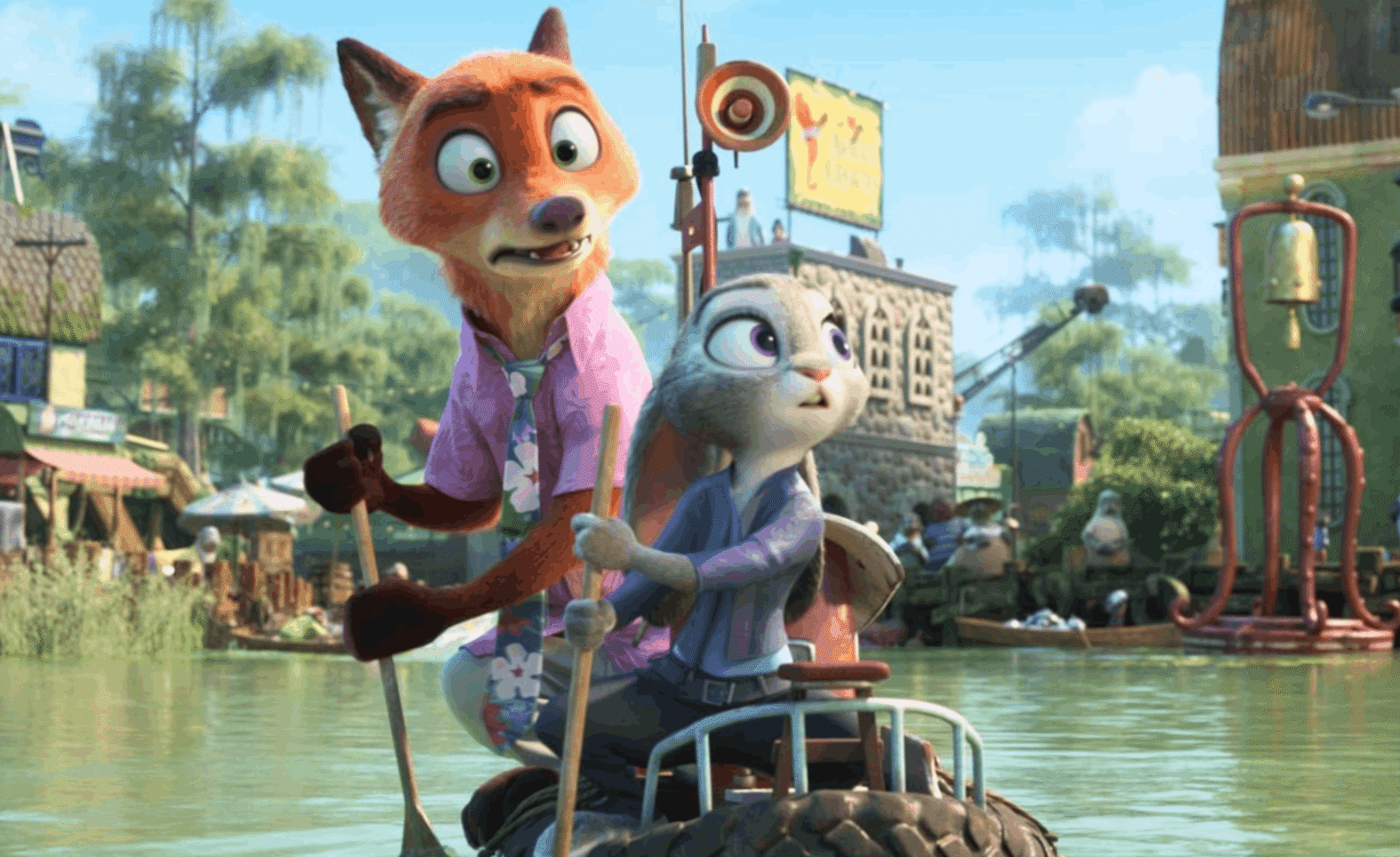
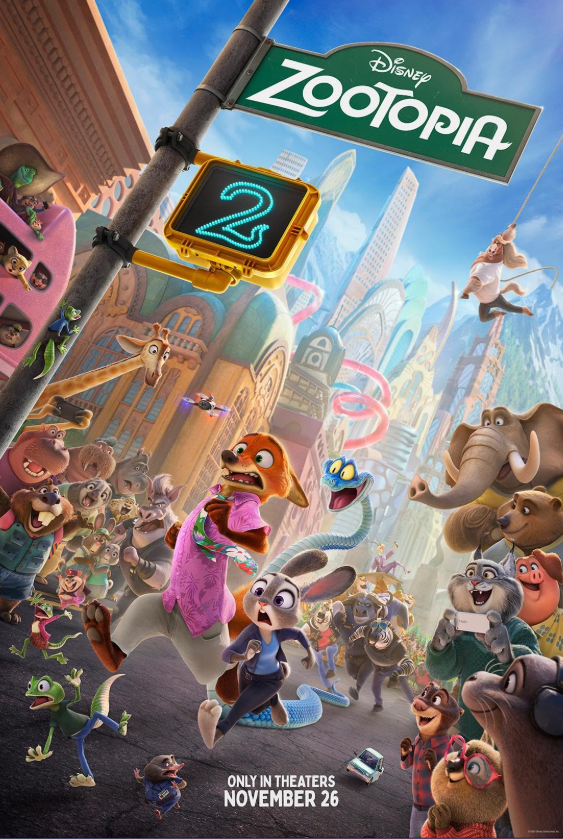
Zootopia 2 arrives with the weight of expectation that only time and success can create. Nine years is a long gap for a sequel, especially to a film that didn’t just entertain but meant something. The original Zootopia was sharp, daring, and emotionally present. You can call it a children’s film unafraid to speak plainly about prejudice, power, and fear.
The sequel, while undeniably enjoyable, feels softer around the edges, more cautious in its ambitions, and far more comfortable staying within the lines. Perhaps because times have changed. Everyone still wants to laugh, but they are careful not to offend others’ sensibilities.
Picking up shortly after the events of the first film, Judy Hopps and Nick Wilde are now official partners at the Zootopia Police Department. Their chemistry remains intact. It is warm, playful, and charged with an intimacy Disney continues to flirt with but refuses to fully explore, afterall… it is targeted at kids mostly.
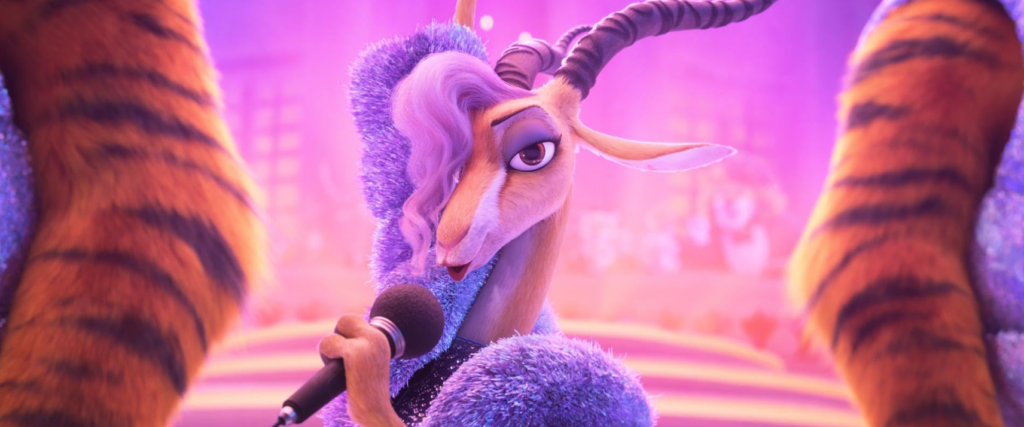
They work well together, clash predictably, and move through the city with the confidence of characters who know they are beloved. There’s a new case involving a disgraced snake, a powerful lynx family, and the reintroduction of reptiles long banished from the city, all unfolding against the backdrop of Zootopia’s centennial celebration.
On the surface, it’s all there. Colourful chases, clever animal gags, and a mystery that nods to classic noir. The animation is polished and lively, and the voice cast that is stacked with familiar names mostly delivers well. Ke Huy Quan particularly brings some genuine warmth not just to the animated character but to the entire film.
Certainly, children watching this will have enough to laugh about, and the parents will too, at least. Just like Disney is laughing to an effortless office glory.
But beneath the surface, Zootopia 2 feels hesitant. The film gestures toward big ideas like gentrification, fear of outsiders, and the quiet cruelty of wealth. But it tiptopes quietly around these themes, unlike the first instalment did. Where it used its allegory with urgency and purpose, this sequel threatened its themes like background décor. They’re present, acknowledged, and then quickly brushed aside in favor of momentum.
There’s also a curious desire to distance itself from past controversies without fully reckoning with them. Judy and Nick spend most of the film out of uniform, the predator–prey metaphor is largely abandoned, and yet the story still circles back to the same place: the system remains intact, the badges stay on, and meaningful disruption is politely avoided. Growth here is emotional, not structural. Safe, not transformative.
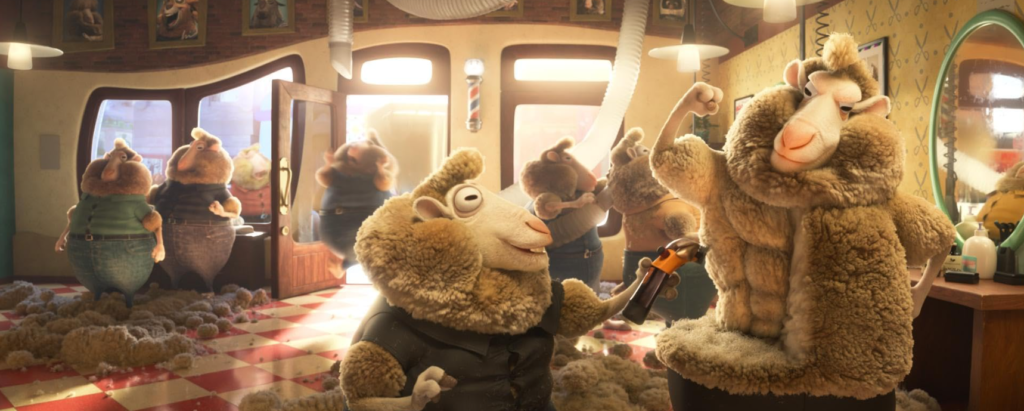
Visually, while the city is still charming, it no longer feels transporting. New districts come and go without the sense of wonder that once made Zootopia feel alive and expansive. At times, the film plays more like an extended TV episode than a cinematic event, pleasant, competent, and ultimately ephemeral.
And yet, I didn’t dislike this film. There is sincerity in its affection for its characters, and comfort in returning to a world that once mattered deeply. Zootopia 2 isn’t cynical; it is rather careful. Perhaps too careful. It wants to entertain everyone, offend no one, and keep the doors open for more adventures down the line.
In the end, Zootopia 2 is a good film but not as brave as the last one. It chooses alluring entertainment over what could have been a much greater purpose. It will delight children, satisfy fans, and remind us why Judy and Nick remain such compelling companions. I only wish it had trusted itself enough to say something that lingered after the credits rolled.
There’s something undeniably powerful about the way a story finds its ...
Cannes, FranceWith all the glamour of the 2005 Cannes Film Festival ...

Leave A Reply