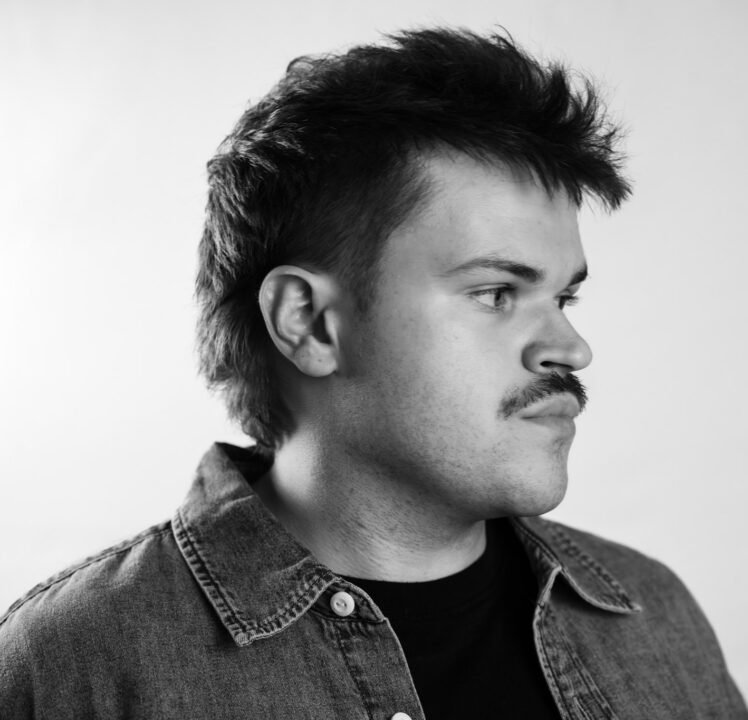
In Conversation: Jack Serra on Grief, Longing, and the Scars We Inherit with his film ‘Generation Well’
Grief has a way of reshaping how we see the world, ...

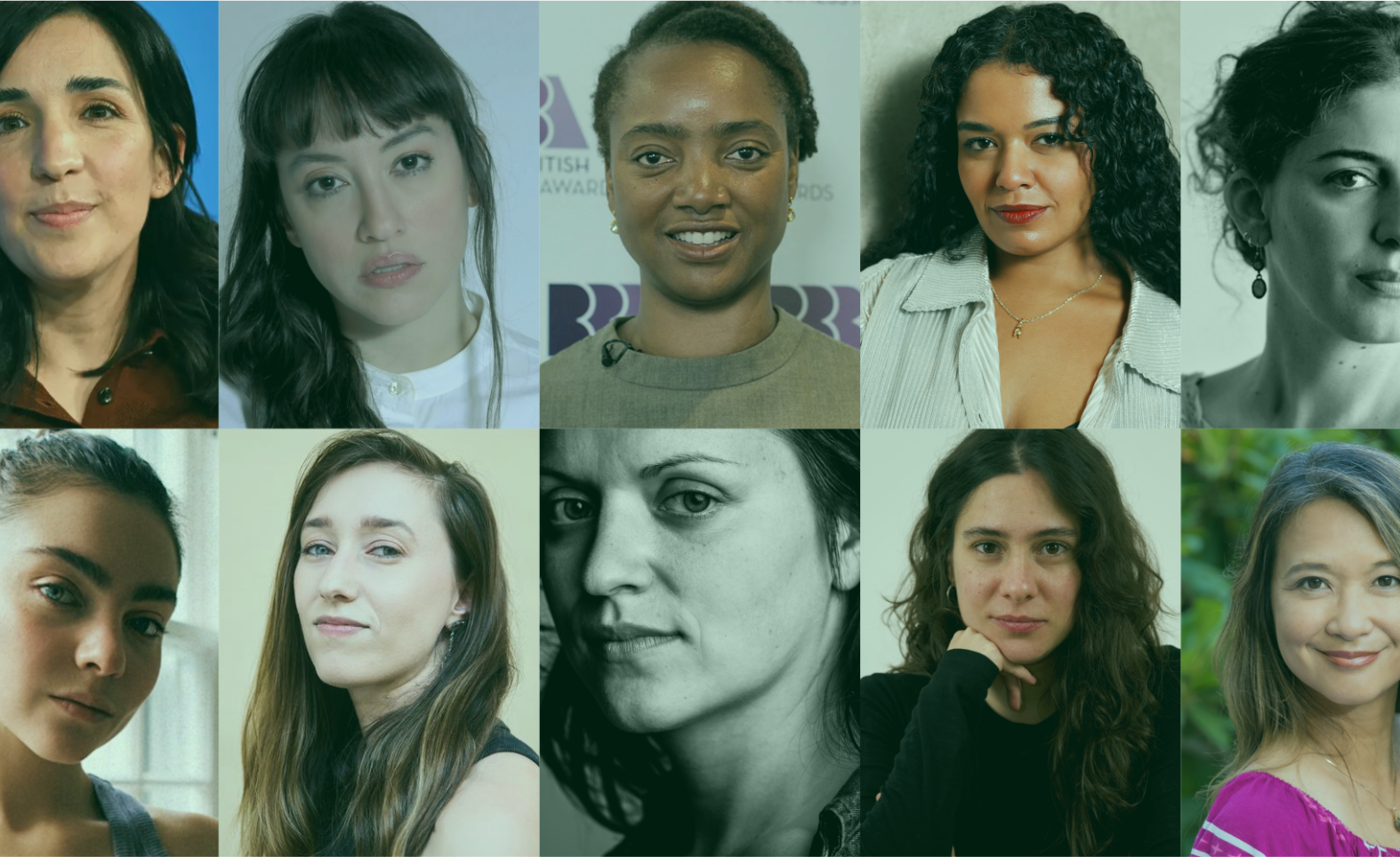
Directors, producers, and storytellers are reshaping world cinema from Lagos nightlife to Palestinian history, from Miami roller rinks to Argentine nursing homes.
The women on this list are working at the absolute frontier of contemporary cinema. Their films have premiered at Sundance, won Golden Bears at Berlin, swept Spain’s Goya Awards, and captured standing ovations at TIFF. They span continents, languages, and genres but share an uncompromising commitment to stories that need to be told.
Here are ten women, directors and producers and their latest projects that you need to know about.

Stella Nwimo is a London-based Nigerian producer with a formidable track record across prestige film and television. She has worked on some of the most celebrated British productions of recent years, including Top Boy (Netflix), Gangs of London (Sky/AMC), and Lenny Henry’s Three Little Birds (ITV/BritBox). On the film side, she produced Catherine Linstrum’s post-apocalyptic thriller Nuclear, starring BAFTA-nominee Emilia Jones and George MacKay, and co-produced several acclaimed short films, including one that won a Cannes Best Short Film award. She is represented by Independent Talent and works across development, production, and financing for film, television, and documentary.
For Lady, the debut feature from writer-director Olive Nwosu, Stella Nwimo served as one of three lead producers alongside Alex Polunin of Ossian International and John Giwa-Amu of Good Gate. Financed by the BFI, Film4, and Screen Scotland, the UK–Nigeria co-production premiered at the 2026 Sundance Film Festival in the World Cinema Dramatic Competition, winning the Special Jury Award for Acting Ensemble. It subsequently screened in the Panorama section of the Berlinale. Nwimo was present at the Sundance premiere, where the film drew a packed, celebratory crowd and left audiences buzzing about the future of British-Nigerian cinema.

Manya Glassman is a filmmaker from Providence, Rhode Island, who earned her MFA in Film Directing from NYU’s Tisch School of the Arts in 2024. During her studies, she served for four semesters as Spike Lee’s teaching assistant — spending every Thursday by his side reviewing student scripts and sitting in on seminars. That relationship became profoundly generative: Lee awarded her the Spike Lee/Sandra Ifraimova Film Production Grant, executive produced her thesis film, and attended its premiere. She has directed and produced nearly two dozen short films and received the Willard T.C. Johnson Fellowship, the Rolly Bester Scholarship, and the Antonio Cirino Memorial Scholarship.
Her 20-minute short How I Learned to Die is drawn from her own teenage years: while a student at Moses Brown School, she was diagnosed with a benign tumor pressing on her spine and told she might be paralyzed or die. The film transforms that experience into a darkly funny comedy-drama about 16-year-old Iris, who has a 60% chance of dying in four days and decides to live it up. Filmed in Rhode Island, it premiered at the 2025 Tribeca Film Festival, winning the Student Visionary Award. The jury wrote that it was “a capital-M Movie out of a short student film.” Its feature screenplay has since been placed on NYU’s prestigious 2025 Purple List.
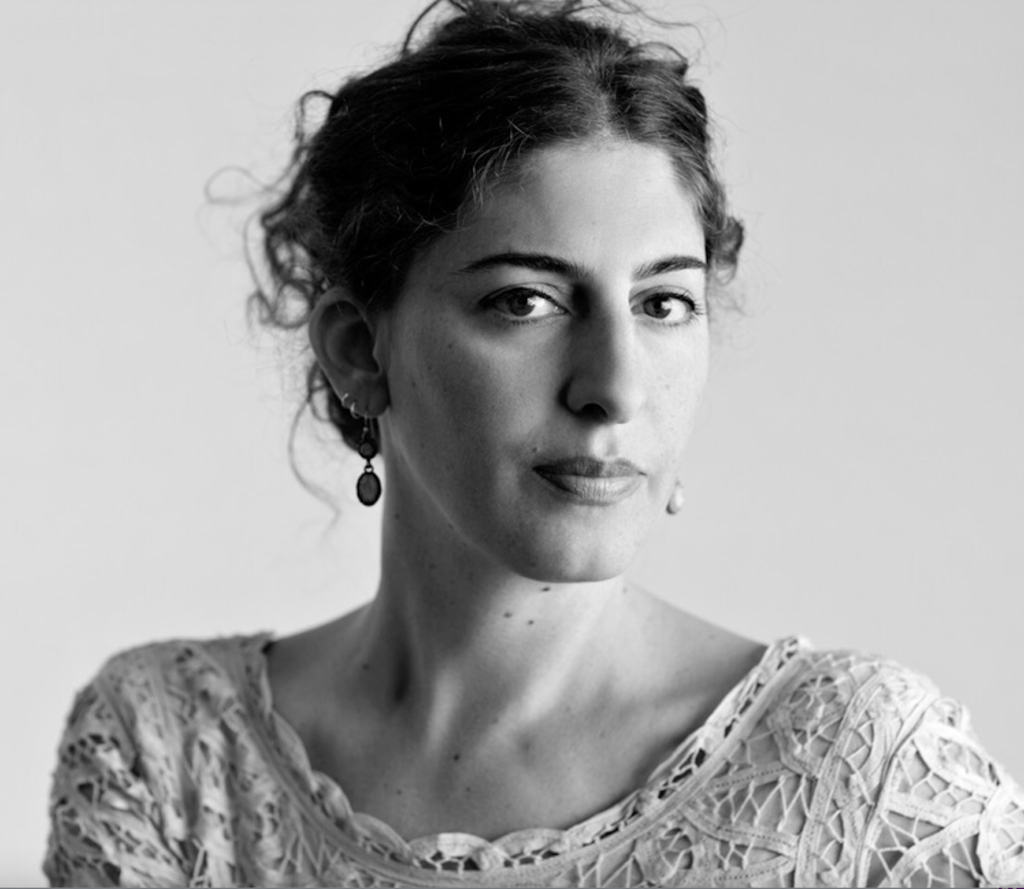
Born in Bethlehem in 1975, Annemarie Jacir is one of the most internationally recognized Palestinian filmmakers alive. She holds an MFA from Columbia University’s School of the Arts and has been working in independent cinema since 1998. Her short film Like Twenty Impossibles was the first Arab short film ever selected as an official Cannes entry. Her three feature films — Salt of This Sea (Cannes 2008), When I Saw You (2012), and Wajib (2017) — were all selected as Palestine’s Oscar submission for Best International Feature Film. She is a member of the Academy of Motion Picture Arts and Sciences, BAFTA, and the Asian Pacific Screen Academy, and a founding member of the Palestinian Filmmakers’ Collective.
Palestine 36, the project she calls “the film of my life,” took nearly eight years to develop. Set during the Arab Revolt of 1936–1939 — the largest and longest Palestinian uprising against British colonial rule — it follows a young man caught between his village and Jerusalem as history closes in. Shot in Palestine during the ongoing Gaza war, making it the only feature film to complete production there in over two years, it starred Hiam Abbass, Jeremy Irons, Saleh Bakri, and Liam Cunningham. The film premiered at TIFF 2025 to a 20-minute standing ovation, earned a 98% score on Rotten Tomatoes, and was shortlisted for the 98th Academy Awards.
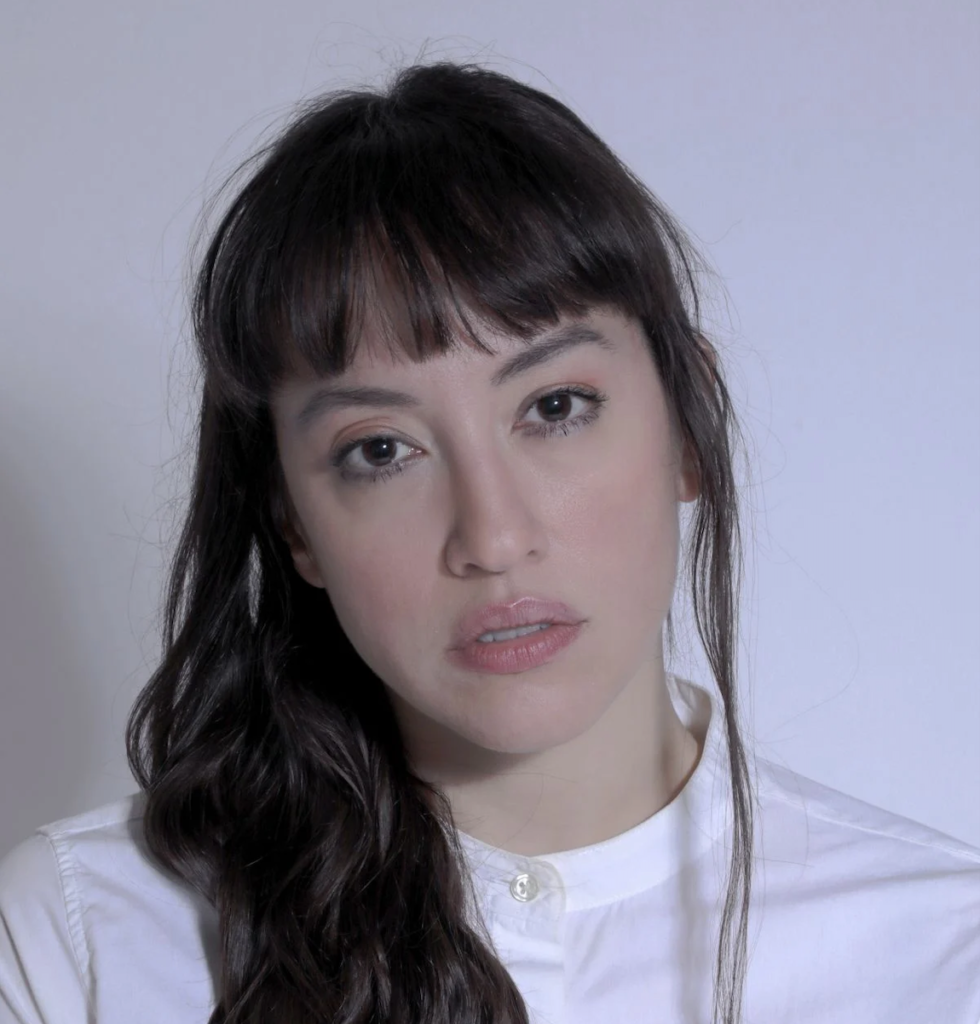
Marie-Rose Osta is a Lebanese scriptwriter, director, and self-producing filmmaker who writes, directs, edits, and produces her own short films. Her 2021 short Then Came Dark premiered at the 43rd Cairo International Film Festival, where it won the Special Jury Award, and was later presented at the 40th São Paulo Biennial. She is currently developing her debut feature — set in Lebanon in the 1990s during the Syrian presence, told through a girl who believes everything her mother says comes true — while her short films form a diptych on the theme of childhood. She participated in the RAWI Screenwriting Lab in Jordan as part of her feature development.
Her 27-minute short Someday, a Child (Yawman ma Walad) was the only Lebanese film in official competition at the 76th Berlinale in 2026. It follows an 11-year-old boy in a Lebanese village, living under the constant roar of Israeli fighter jets, who possesses extraordinary powers that his uncle tries to suppress. A contemporary fable blending magical realism with war’s lived reality, the film won the Golden Bear for Best Short Film. In her acceptance speech, Osta declared: “No child should need superpowers to survive a genocide empowered by veto powers and the collapse of international law.”
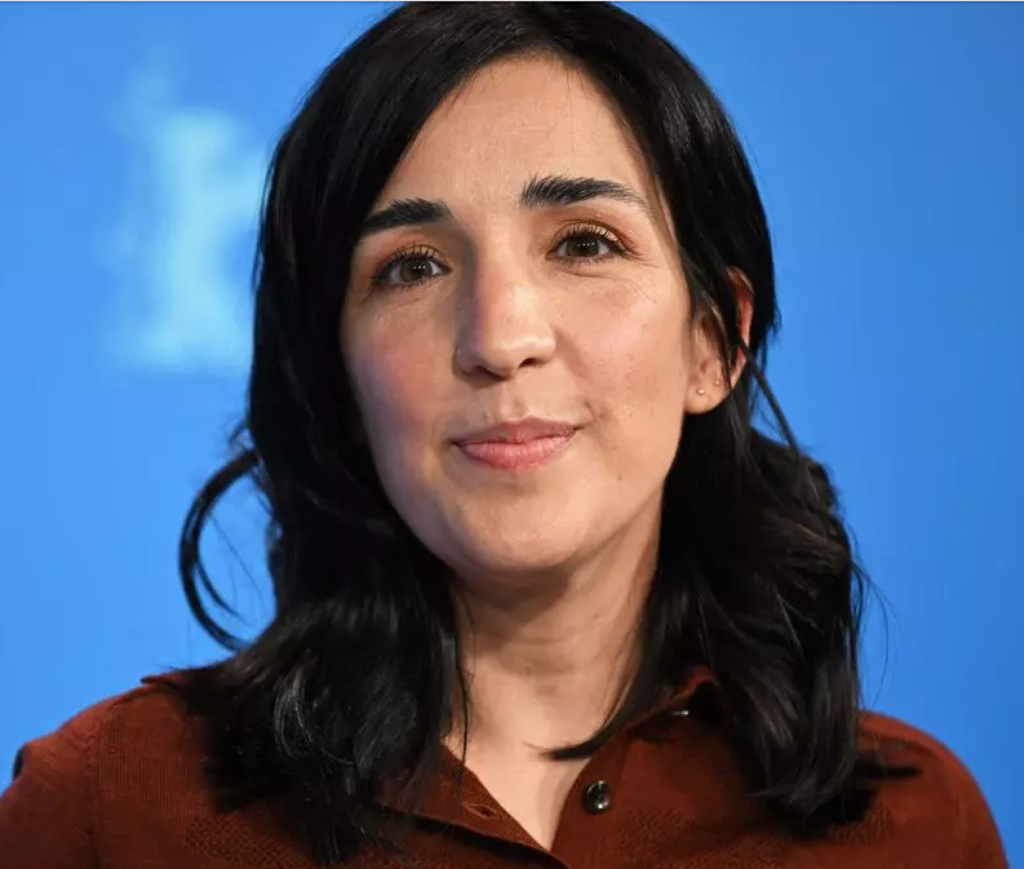
Alauda Ruiz de Azúa is a Basque filmmaker who has become one of the most celebrated voices in Spanish cinema in the space of just five years. Her debut feature Lullaby (2022) — a motherhood drama set on the Basque coast — prompted Pedro Almodóvar to declare it “undoubtedly the best debut in Spanish cinema for years,” earning her the Goya Award for Best New Director. Her first television series, Querer, a four-part drama addressing marital rape, won the Grand Prix at Series Mania, Europe’s foremost TV festival. She is widely recognised for her ability to excavate the fracture lines concealed within ordinary family life.
Sundays (Los Domingos) follows Ainara, a brilliant 17-year-old at a Catholic school in Bilbao who shocks her progressive, secular family by announcing she wants to become a cloistered nun. In Ruiz de Azúa’s hands this improbable premise becomes a forensic study of the limits of tolerance within families who believe themselves open. It won the Golden Shell for Best Film at the 73rd San Sebastián Film Festival and swept the 40th Goya Awards — Best Film, Director, Original Screenplay, Actress, and Supporting Actress. Now ranked among the highest-rated Spanish films of all time on FilmAffinity, it has sold to distributors in over 20 countries, with a confirmed U.S. theatrical release in Fall 2026.
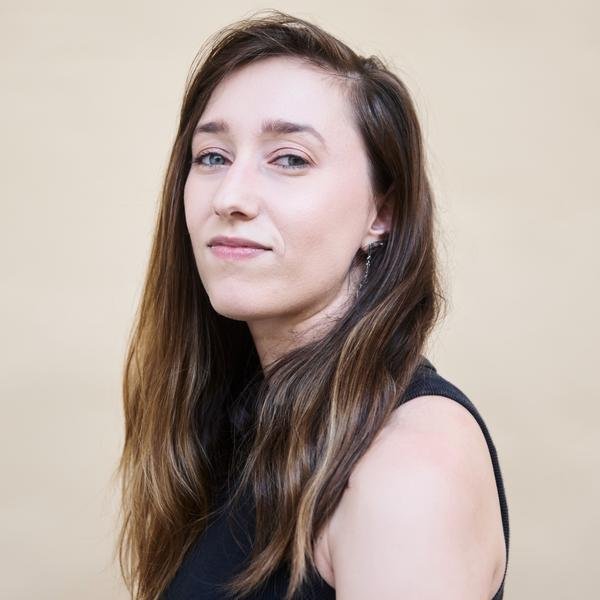
Renée Marie Petropoulos is an Australian filmmaker whose work consistently explores womanhood, sexual violence, and power dynamics through a queer lens. Her graduating thesis film from Columbia University, Tangles and Knots, received international acclaim at both the Berlinale 2018 Generation 14Plus competition and SXSW 2018 — a rare double for a student film. She has since built a focused body of short films that sharpen these themes with increasing formal precision. Her semi-autobiographical feature project Keep Walking, about sexual trauma on a remote island resort, is in development with support from Screen NSW’s Short to Feature Fast Track.
Her fourth short film, Souvenir, is a 14-minute proof-of-concept for that feature. Set in the summer of 2008, it follows Keira, a closeted teenage girl on a tropical family holiday with her girlfriend Zoe. When Zoe takes intimate photographs without Keira’s consent, the film pivots into a precise, unsettling study of gaslighting and the power dynamics within young queer relationships. Shot in a claustrophobic 4:3 ratio, it had its North American premiere at SXSW 2026, where it won the Narrative Shorts Competition. The jury praised its “moving, raw performances” and called it “a beautiful piece of storytelling that sheds light on the most intrinsic and intimidating aspects of relationships and girlhood.”
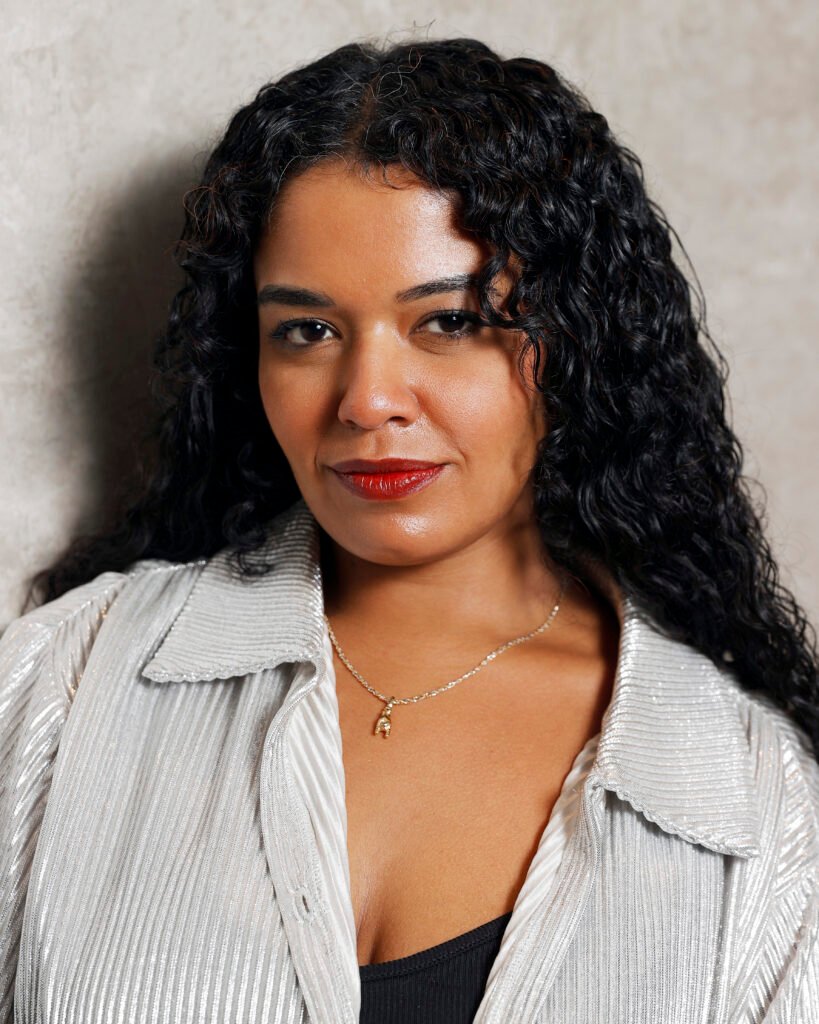
Eiman Mirghani is a Sudanese filmmaker born and raised in Doha, Qatar. After earning her BA in Film and Media Studies at the University of Nottingham, she returned to Doha and built her practice within the Doha Film Institute’s ecosystem of workshops and mentorships. She is the founder and senior producer of FilmMENA, a production house dedicated to elevating filmmakers from the Middle East and North Africa. Her previous short The Bleaching Syndrome, directed under the mentorship of Rithy Panh, travelled to several international festivals. She also co-produced Al-Sit (2021), the acclaimed Sudanese short that qualified for the Academy Awards.
Her documentary short Villa 187 began when her father lost his job after 35 years in Doha, giving the family just six weeks to vacate the only home Eiman and her sisters had ever known. Under the mentorship of Rithy Panh as part of the DFI Documentary Lab Fellowship, she turned a camera on those six weeks — the packing of rooms, the surfacing of memories, the uncertainty of where to go next. Eight minutes long and deeply intimate, the film asks what belonging means when home was never legally yours to begin with. It premiered at the 2025 Doha Film Festival’s Made in Qatar competition, where it won Best Director, and now travels the international festival circuit.
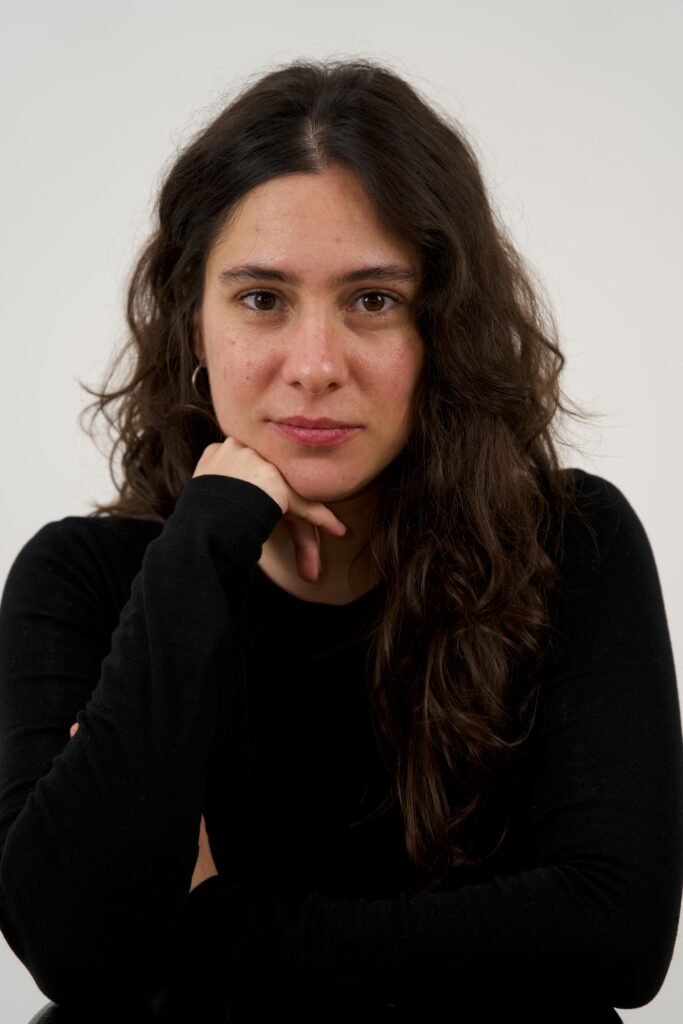
Rocío Pichirili holds a degree in Audiovisual Communication and is the founder of Groncho Estudio, a Buenos Aires-based production company specializing in gender perspective and diversity. She served as General Producer of the Buenos Aires International Documentary Film Festival (BAFICI) in 2019, and participated in the Berlinale Talents BA in 2020. She is also a lecturer at ISER, the institute where she received her own training. Her portfolio spans documentary features, short films, and immersive projects, including a VR work selected for the Venice Production Bridge. She co-produced the short film El nombre del hijo (2020), which won the Generation Kplus Best Short prize at the 70th Berlinale, and produced the feature documentary Delia (2022), which won the Silver Biznaga for Best Director at Málaga.
For Cuidadoras, Pichirili was produced through Groncho Estudio, the debut feature documentary from directors Martina Matzkin and Gabriela Uassouf. The film follows three transgender women — Maia, Yenifer, and Luciana — in their first days working as caregivers at a public nursing home in Buenos Aires. The project, which Pichirili nurtured through pandemic-related production halts and a full restart, was developed at the Doc Corner at Cannes and the San Sebastián Documentary Co-Production Forum, and premiered in Argentina in June 2025 before screening at the True/False Film Festival 2026.
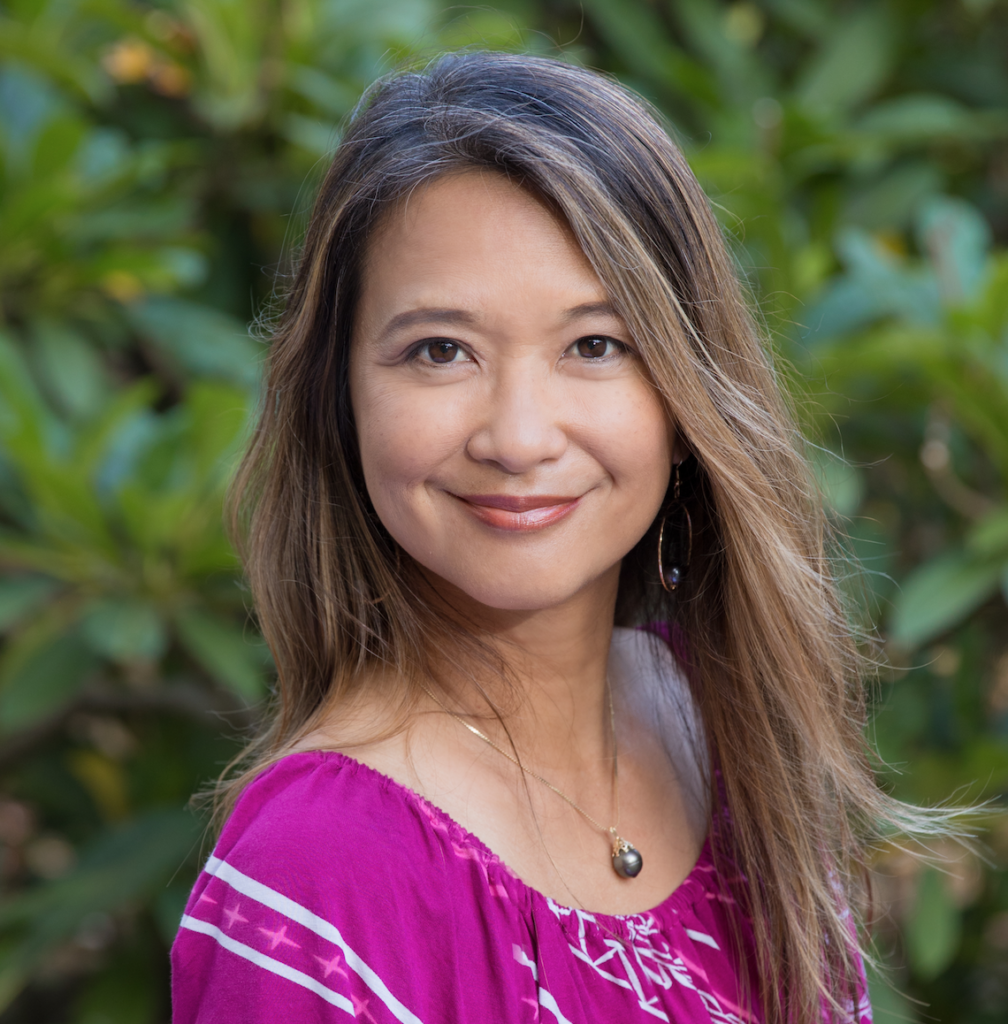
Kimberlee Bassford is an award-winning independent documentary filmmaker based in Honolulu, Hawai’i, who has spent two decades championing stories of girls, women, and Pacific communities. A Harvard University graduate (psychology) and UC Berkeley alumna (journalism), she founded Making Waves Films in 2005. Her body of work includes the Student Academy Award gold medal documentary Cheerleader, the PBS film Patsy Mink: Ahead of the Majority — about the first woman of color elected to U.S. Congress — and Winning Girl, which aired on “America ReFramed.” She has also won a duPont-Columbia University Award, a Firelight Media Spark Fund Award, and the President’s Award from Hawai’i Women Lawyers.
Her latest feature, Before the Moon Falls, spent eight years in the making. It began as a portrait of Sia Figiel, Samoa’s most celebrated novelist and the first Samoan woman to have a book published in the U.S. — until Figiel’s 2024 killing of a fellow writer turned the film into something altogether more shattering: a meditation on mental illness, stigma, and the cost of insufficient care. The film premiered at New Zealand’s Doc Edge Festival in June 2025 and won the Made in Hawai’i Award at the 45th Hawai’i International Film Festival, where the jury called it “a profound meditation on the fragile line between creativity and madness.”
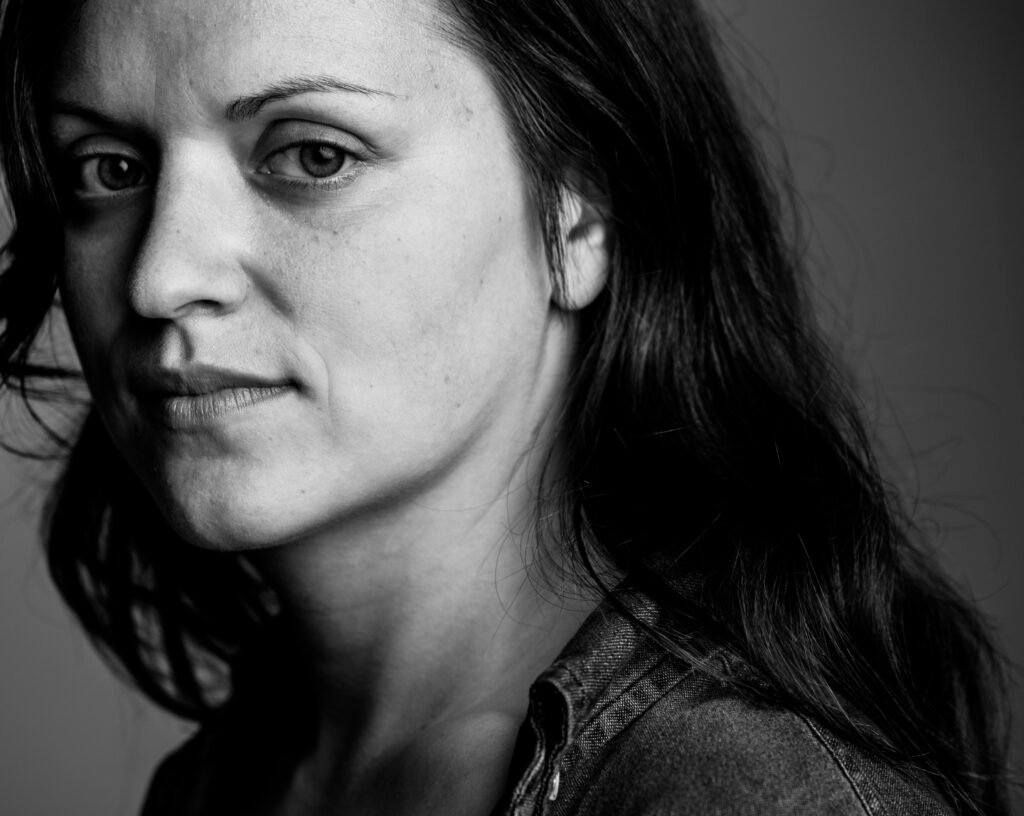
Jayme Kaye Gershen is a Miami-based filmmaker, photographer, and multi-disciplinary artist who uses creative nonfiction to explore the emotional patterns that shape identity and place. She is best known for her Emmy Award-winning documentary work and has received support from the Lynn & Louis Wolfson II Family Foundation, Oolite Arts, and Miami-Dade County’s Department of Cultural Affairs. Her practice spans film, photography, sound, and immersive installation, and she is known for collaborative approaches that place the camera in the hands of subjects rather than filming from the outside in.
Her 15-minute documentary The Floor Remembers chronicles the 40-year history of the Miami Roller Rink — known across generations as Hot Wheels — a beloved Kendall institution that survived pandemic closures and rising rents when almost every comparable venue did not. When Gershen heard the rink might be closing, she scrambled for emergency funding, started filming what she thought were its final nights, and ultimately handed a camera directly to Christopher Cardentey, a regular Monday-night skater, letting the community document itself. The film premiered at the 2026 Miami Film Festival, where it was a first runner-up for the Audience Short Film Award, and has since generated wide critical enthusiasm for its warmth and formal intelligence.
Grief has a way of reshaping how we see the world, ...
Through her latest film, 'Get You, Better', Danica Jensen explores the ...

Leave A Reply