
Mesopotamia, TX – Shared Experiences and the Magic of the Universe.
'Mesopotamia, TX', written and directed by Lucy Gamades, is a delicate, ...

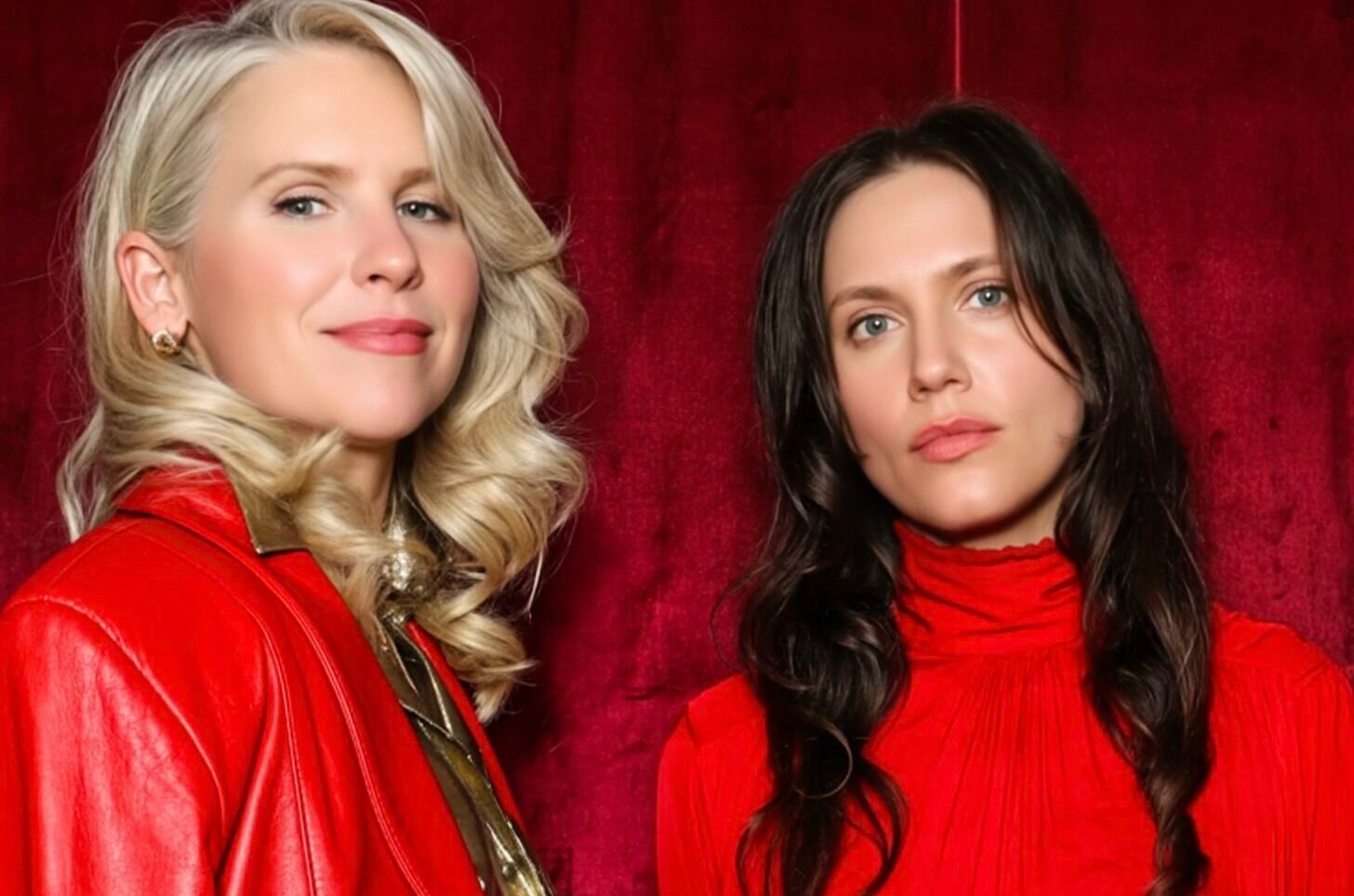
The conversation with directors Marchelle Bradanini and Emily Alpren reveals two filmmakers whose creative partnership is rooted as much in friendship as it is in artistic ambition.
Under their directing banner Plan D, the duo brings a deeply personal perspective to Floored, a darkly funny and emotionally resonant short film that explores motherhood, aging, identity, and the often-unspoken frustrations that accompany them. Drawing from their own experiences as mothers who met in a Hollywood baby group, Bradanini and Alpren transform feelings of isolation, vulnerability, and self-discovery into a sharp satire that is both hilariously absurd and profoundly relatable.
In this conversation, they discuss their unconventional paths to filmmaking, the realities that inspired ‘Floored’, the challenges of independent production, and why female friendship remains one of the most powerful forces in both life and storytelling.
Marchelle: Like a lot of things in life, my road to filmmaking was not a straight line. I was a theater kid –
Emily: A theater kid. She was YOUNG COSETTE in the Curran Theater’s Les Misérables!
Marchelle: Right. And then I studied film and political science in college. I formed a band, got signed, got dropped, moved to Nashville and started a record label for a few years. I always made really cinematic music videos, so it was a natural transition to making shorts.
Emily: While Marchelle was a professional child star, I was making the darkest little movies with my dad’s camcorder.
Marchelle: Of course you were.
Emily: “Mother” (a story of a mother, moi, who bore Cabbage Patch Kid after Cabbage Patch Kid only find inventive ways to commit infanticide) should have probably gotten me evaluated?
Marchelle: You were exploring female rage at a young age.
Emily: Yes. Between playing Barbies until I was 12 and creating plays in the front hall, storytelling, and play were my life. So I studied literature, moved to New York and found my home in the downtown theatre scene. Frankly, it wasn’t until I was dragged to Los Angeles that film re-entered my orbit. I’m so lucky it did.
Marchelle: Well, those are all my favourite themes and a world Emily and I were both going through personally. We would often find ourselves laughing and weeping in the same conversation about the absurdities of modern life, motherhood and ageing. Especially in a town like Los Angeles. Do we need facelifts in our 40s now?? Where does that Jade egg go?? Emily and I have a similar sense of the macabre and dark humour, and were throwing around film ideas and out popped, Floored.
Emily: We’ve got to be careful with this one (laughs). I think feeling unseen or worrying you’re not making the most of your one life is pretty universal. For me, becoming a mother was a real identity shift. With this big new love, everything that I cared about suddenly mattered a lot bit less. At the same time, that felt so basic. What happened to my ambition? My plans? I didn’t have time to process that shift. I think until America figures out universal childcare, most mothers won’t. Build a scaffolding for working families. Will pay dividends in maternal wellness.
Marchelle: Good luck with that! Yes, there’s a massive identity shift that one goes through when becoming a mother and our relationship to the world and its relationship back towards us. Even the relationship to our own bodies can be really alienating and then in turn, deeply powerful when we start paying attention and giving ourselves a little bit of grace. For me, physically recovering from childbirth was its own journey.
Marchelle: Satire and comedy felt like the only way to approach this.
Emily: Floored is a love letter to women who show up for each other. It’s uncomfortably earnest to approach that without humour, mess and poking fun.
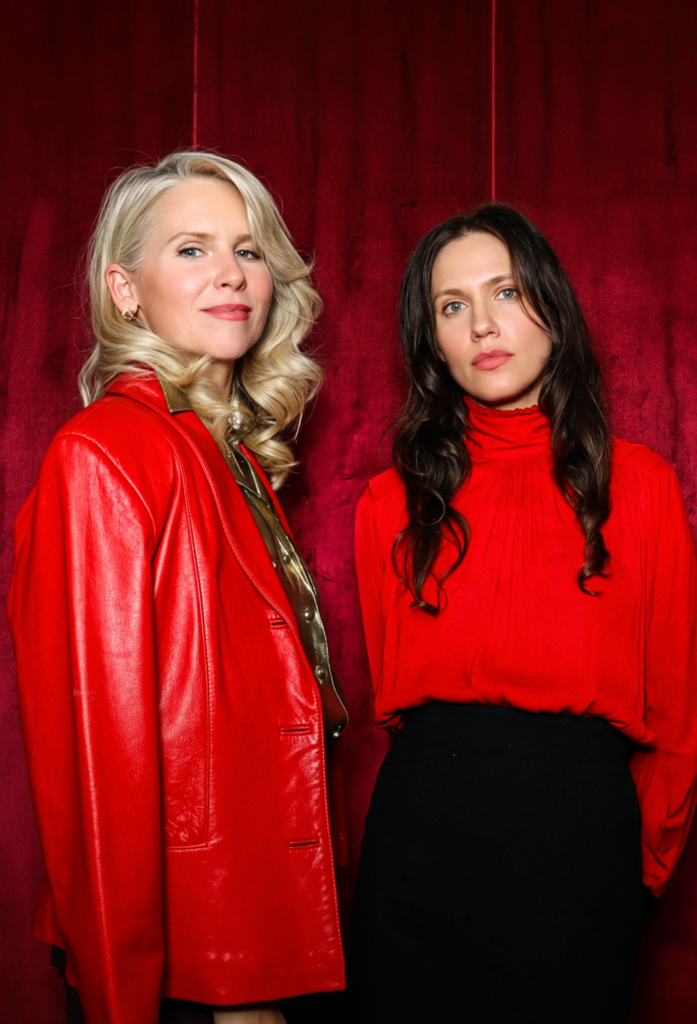
Marchelle Bradanini (Left) and Emily Alpren (Right)
Marchelle: My gratitude towards our unexpected friendship and connection through a happenstance meeting at a baby group is something I’m profoundly grateful for. How did I meet the smartest, wildest person I know at an 11 am baby group with one boob out?
Emily: I resisted a mom group SO hard. I didn’t want to be that person. Yet somehow, meeting my best friend in the messiest time of life makes our story more precious. It’s a real unconditional love. And that capacity to root for and champion other women in an uncompetitive way is what we shine light on in the film.
Marchelle: The characters in FLOORED needed our mom’s group.
Emily: They absolutely did.
Emily: Self-help and wellness culture capitalise on our deepest vulnerabilities. Of course, it can be a salve and a space for greater understanding. But often there’s a bunch of folks with a financial interest in taking your money by marketing to your fears as a woman or mother. Don’t want your baby to die? Shop my sponsored links. It’s rough out there.
Marchelle: Emily is definitely the ying to my yang. I’m really visual and impulsive and move quickly, rarely looking back. Emily is incredibly detail-oriented and almost manic in her perfectionism. We both find the same stuff hilarious and infuriating so being bound by a common vision grounds us in whatever project we are working on.
Emily: We shockingly aligned in our humour and perspective. And we share an aesthetic that’s critical. We worship the same heroes, hate the same villains — the shorthand to each other’s brains is pretty bananas. That said, I make her nuts. I’m always finetuning while she is much smarter and looks forward. The state should sanction such a union.
Marchelle: Emily and I are lucky to know such talented actors who we knew would all bring something magical to the cosmic stew that is Floored. I think that element of being vulnerable yet a bit ridiculous and funny is a hard line to walk, which I think our cast all really understood.
Marchelle: We made a mood board that became our visual bible. Lots of blue eye shadow inspired by the comedy/horror Love Witch, gorgeous Sharon Tate circa Valley of the Dolls, the colour palette of Almodovar’s Women on the Verge of a Nervous Breakdown, the candy-coated world of 1999’s dark comedy, Jawbreaker, along with Heathers and Mulholland Drive to name a few. All of these films are so vibrant and campy, but with an undercurrent of darkness.
Marchelle: Uh, every minute of pre-production and actual production.
Emily: Yeah, I still can’t believe we have a film? Let’s see. We lost our DP a few days out. But then the universe gifted us the brilliant Reyanna Rassame.
Marchelle: Then Day 1, the trucks were stuck, and Emily drove across town to get a hero prop that went missing. Lost a quarter of a day there.
Emily: Not to be beaten by Day 2 when a wonderful actress passed out in the make-up chair and needed an ambulance. She’s my dear friend who – bless bless – is okay and wanted to continue the day, but we needed to recast the role in a very irregular world immediately.
Marchelle: Lost a half day there. And oops, we only had one hero dress that may or may not be covered in blood at a certain point, and we knew we only had one shot. No pressure.
Emily: We kept it chill, though.
Emily: Time comes for us all, regardless of our determination to avoid it. And there’s no better place to explore the impossible standards of an aging-while-female than Hollywood. Eleanor, our heroine, is a 42-year-old actress who suddenly feels invisible when the youthful Saddle Chandler emerges as the latest “it” girl. The instinct is to pit them against each other, but the same machine that has discarded Eleanor will spit out Saddle in due time. Beauty standards may change. But the unquenchable desire to for youth remains a constant. Remember when we were astonished that 20- and 30-year-olds were getting Botox? Now plastic surgery is becoming the norm. It hurts. It’s unfair. And it will never change. (I’m not immune, but my fear of getting a facial keeps me far away from needles or a deep plane facelift as much as my algorithm influences me otherwise.)
Marchelle: We are about to begin our festival run and can’t wait to get the audience reaction. The end definitely has a twist!
Marchelle: Mister Rogers said, “Look for the helpers, and I feel there’s something to that in looking for collaborators. Put yourself out there, go to a mixer, join an online writing lab, reach out to people who make stuff that inspires you and don’t get bogged down in all the ways everything is impossible. I remember the riot grrrl punk band, Le Tigre, putting up their gear set-up online and saying, now you go start a band, which felt so liberating and exciting.
Emily: Don’t wait for anyone to give you permission. Or the perfect project, producer or amount of money. Find someone you trust and say: wanna? So what if it’s not brilliant? It won’t define your worth. It’s an exercise. Exercises build momentum. And that builds community. Maybe that is the best part about age: realising it’s not the art that’s going to mean the most to you. It’s the people you built it with.
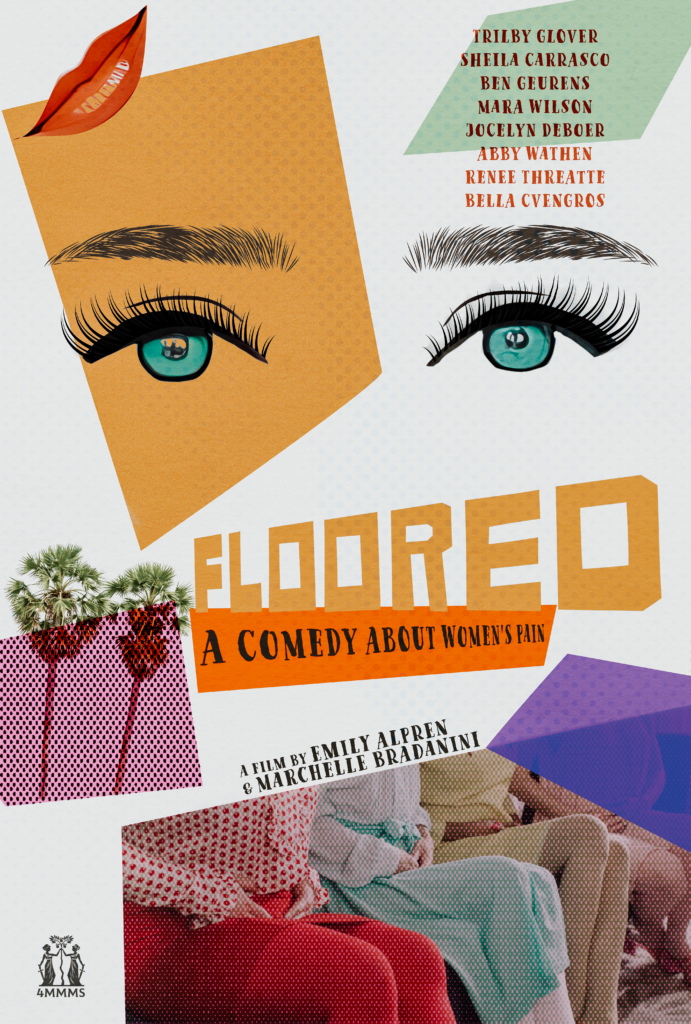
As our conversation comes to a close, it becomes clear that Floored is more than a satire about motherhood or a commentary on wellness culture and Hollywood’s obsession with youth. At its heart, the film is a celebration of connection—the kind that emerges unexpectedly during life’s most disorienting chapters. Marchelle Bradanini and Emily Alpren approach their subject matter with equal measures of wit, honesty, and compassion, reminding audiences that beneath the chaos, insecurity, and societal pressures lies the enduring strength of community. Their advice to aspiring filmmakers reflects the very spirit of their collaboration: stop waiting for permission, find your people, and start creating. If Floored is any indication, some of the most meaningful stories are born not from perfection, but from shared experiences, mutual trust, and the courage to laugh through the mess.
'Mesopotamia, TX', written and directed by Lucy Gamades, is a delicate, ...
Vertigo Releasing have confirmed the release of their upcoming animated title, ...


Leave A Reply