To Busk or Not to Busk – Performance Beyond Gains
Antonio G. Wagner's short documentary 'To Busk or Not to Busk' ...

There is a particular kind of comedy that does more than entertain. It is meant for more than just that. It disarms audiences with laughter before quietly confronting them with uncomfortable truths.
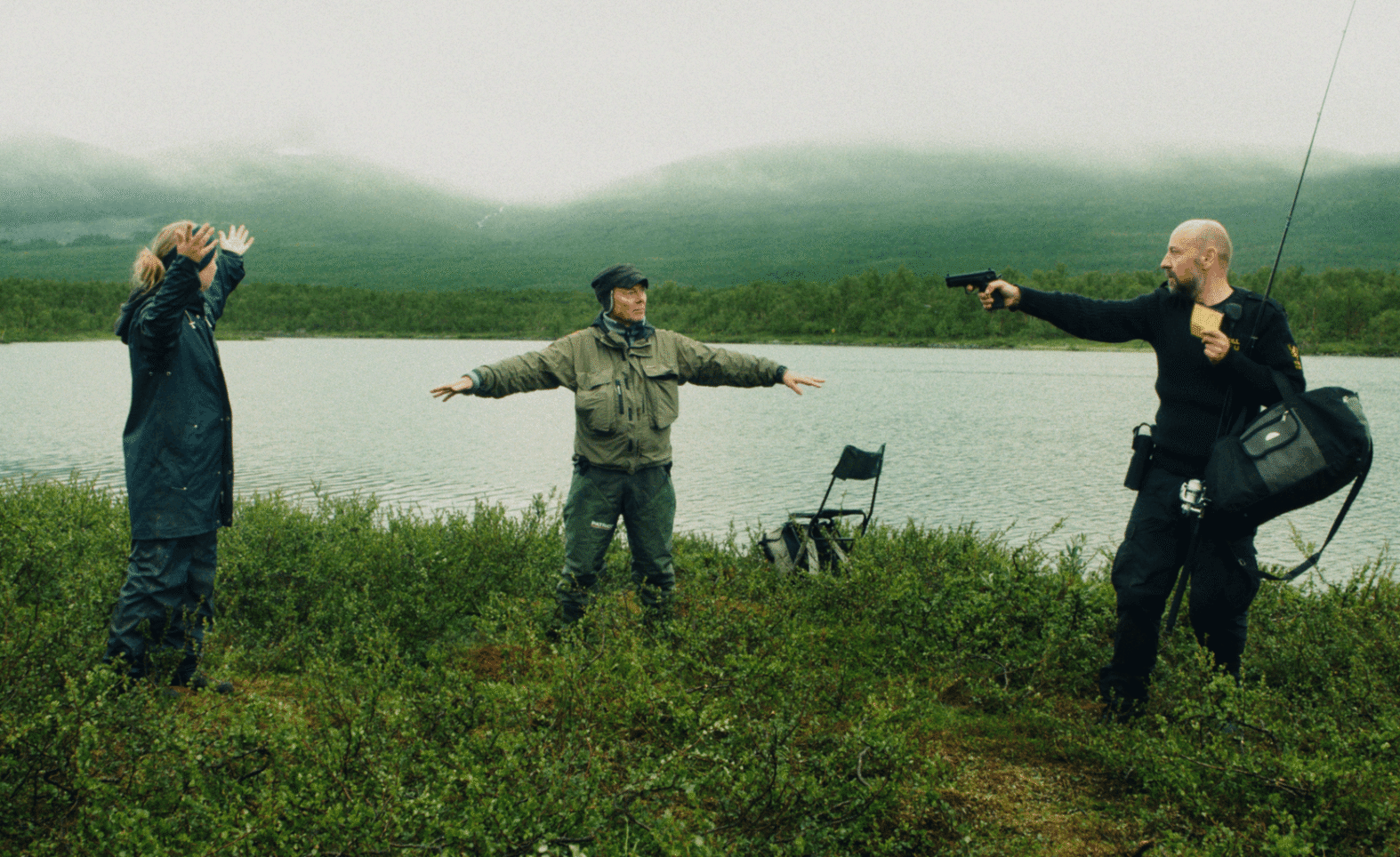
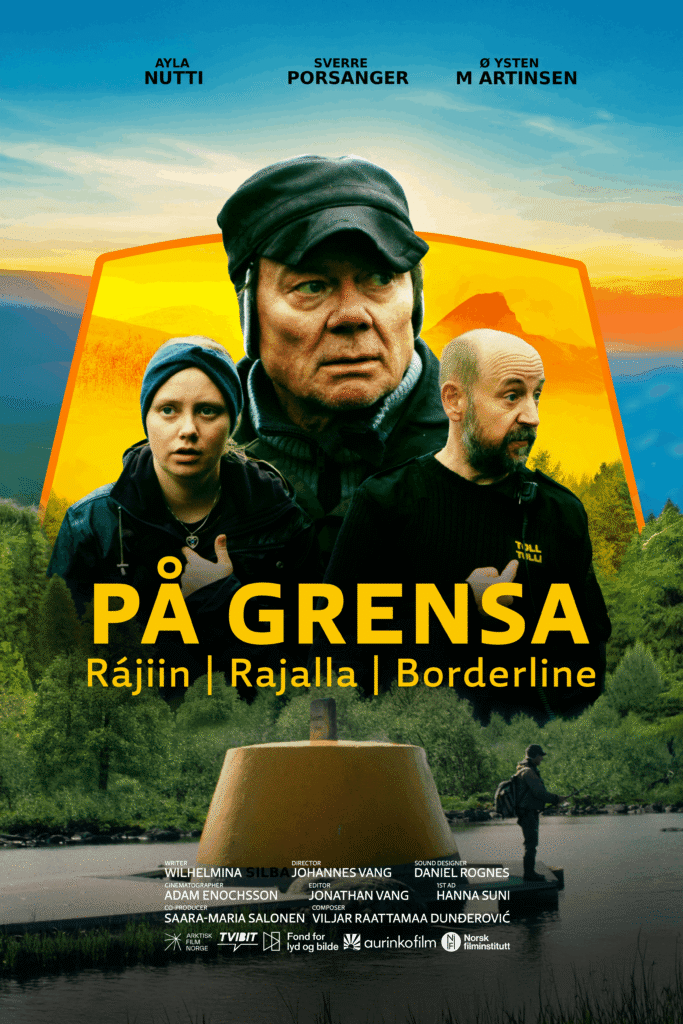
Borderline, written by Wilhelmina Silba and directed by Johannes Vang, is one of such. What begins as a seemingly simple clash between three strangers at the meeting point of Norway, Sweden, and Finland gradually unfolds into a sharp satire about borders, identity, prejudice, and the nature of the systems people create to separate themselves from one another.
This short film is set at the Three-Country Cairn, where the borders of Norway, Sweden, and Finland physically converge. Borderline immediately places its audience within a fascinating cultural crossroads. These are neighbouring countries that share geography and history, yet differ in language, laws, attitudes, and social perceptions. Johannes Vang uses this unique setting not merely as a backdrop but as an essential storytelling device. The border itself becomes a character, beautifully representing both division and connection.
The film revolves around just three characters, a creative decision that proves highly effective. Øystein Martinsen plays a customs officer whose authority appears far greater in his own mind than it does in reality. His questionable methods and often absurd determination to enforce regulations create much of the film’s comedic beats. Martinsen delivers a performance that walks a fine line between competence and incompetence, making his character both frustrating and amusing to watch.
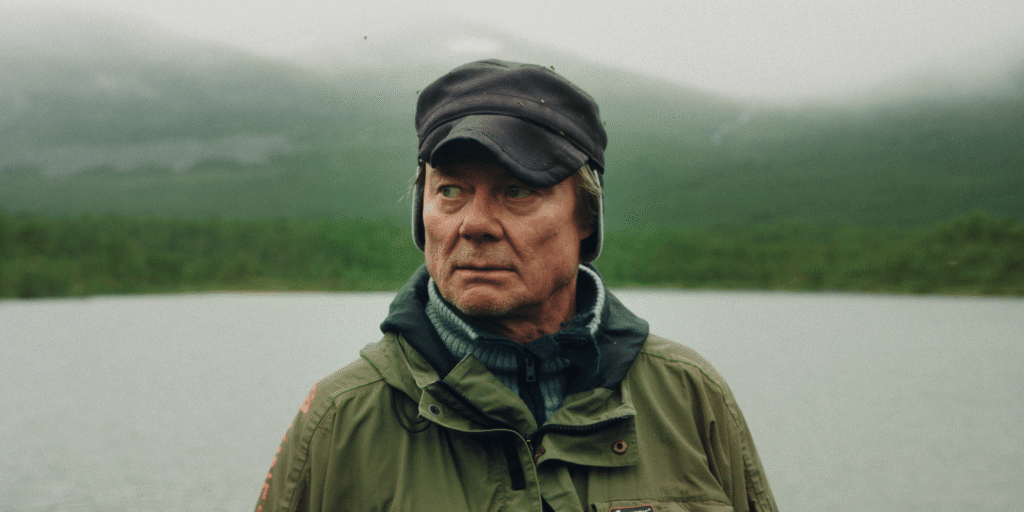
Opposite him is Sverre Porsanger as the fisherman, an elderly man firmly rooted in his beliefs and traditions. Porsanger brings a quiet stubbornness to the role that perfectly complements the customs officer’s overzealous personality. Their interactions often feel like a battle between bureaucracy and lived experience, with neither side willing to concede ground.
Then there is Ayla Nutti’s mysterious woman, a thief on the run whose presence further complicates an already chaotic situation. Nutti brings confidence and unpredictability to the role, ensuring that her character never becomes merely a plot device. Instead, she serves as a catalyst, exposing the contradictions and hypocrisies in the other characters’ actions.
What makes the performances particularly effective is how naturally the actors embody the cultural differences and prejudices that the film seeks to examine. The humour emerges from misunderstandings, assumptions, and deeply ingrained biases rather than from exaggerated caricatures. Each actor understands the delicate balance required to make the satire land without reducing the characters to simple stereotypes.
There are no elaborate subplots or large supporting casts to divert attention. Every moment relies on dialogue, reactions, and timing. Fortunately, the three actors all rise to the challenge, delivering performances that are both entertaining and insightful.
Visually, Borderline is equally impressive. The cinematography makes excellent use of the stunning landscape. The mountains, the river, and the skies create an atmosphere that feels both beautiful and ironic. While the characters argue over invisible lines, legal jurisdictions, and national identities, the surrounding landscape remains indifferent to these human constructs.
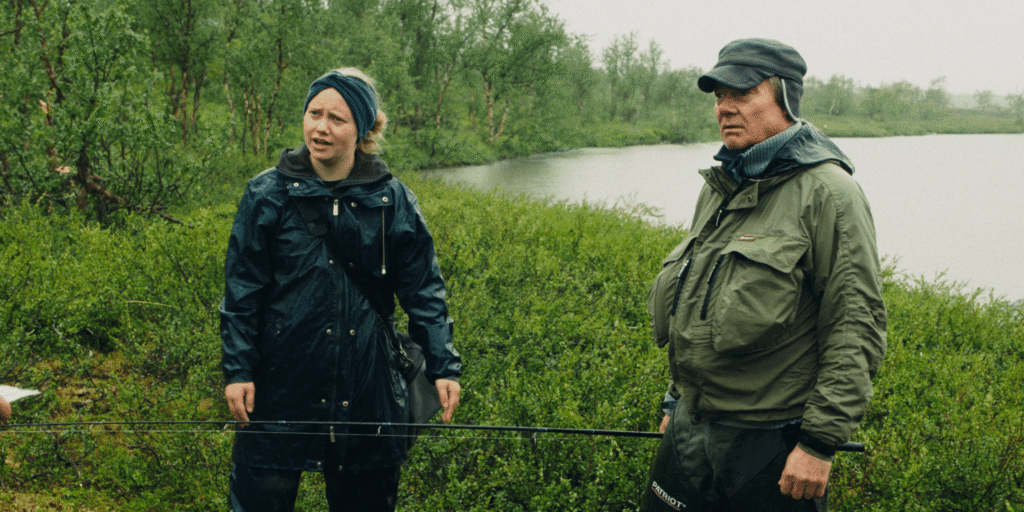
The imagery subtly reinforces one of the film’s central ideas. Norway, Sweden, and Finland may be different in language, law, and mentality, but they are equally blessed with breathtaking natural beauty. The scenery serves as a reminder that nature does not recognise the borders that humans so passionately defend.
What elevates Borderline beyond being simply a clever comedy is its deeper thematic purpose. The film remains entertaining while still engaging with important questions about identity, belonging, and societal structures. As the conflict escalates and the characters become increasingly entangled in their own contradictions, the film exposes the fragility of the systems they rely upon to define themselves and others.
Perhaps the film’s most powerful achievement is how it encourages audiences to reflect on the absurdity of certain divisions.
In many ways, Borderline, through strong performances, sharp writing, effective satire, and gorgeous cinematography, successfully transforms a small border dispute into a much larger reflection on human nature.
By the end of its 12-minute runtime, the message becomes difficult to ignore. Borders exist only to divide nations, and whilst languages may separate people, prejudice creates the real barriers. But beneath those differences lies a shared humanity that is often far more significant than the lines drawn on any map.
Hopefully, that is the larger message audiences take away from Borderline, because it is one worth carrying long after the laughter fades.
Antonio G. Wagner's short documentary 'To Busk or Not to Busk' ...
Filmmaker Jethro Waters has a penchant for blending dark comedy with ...


Leave A Reply