In Conversation: Eduardo Boccaletti Talks about Bijupirá and Finding Meaning in Silence, Memory and the Sea.
There are filmmakers who step into the craft by chance, and ...

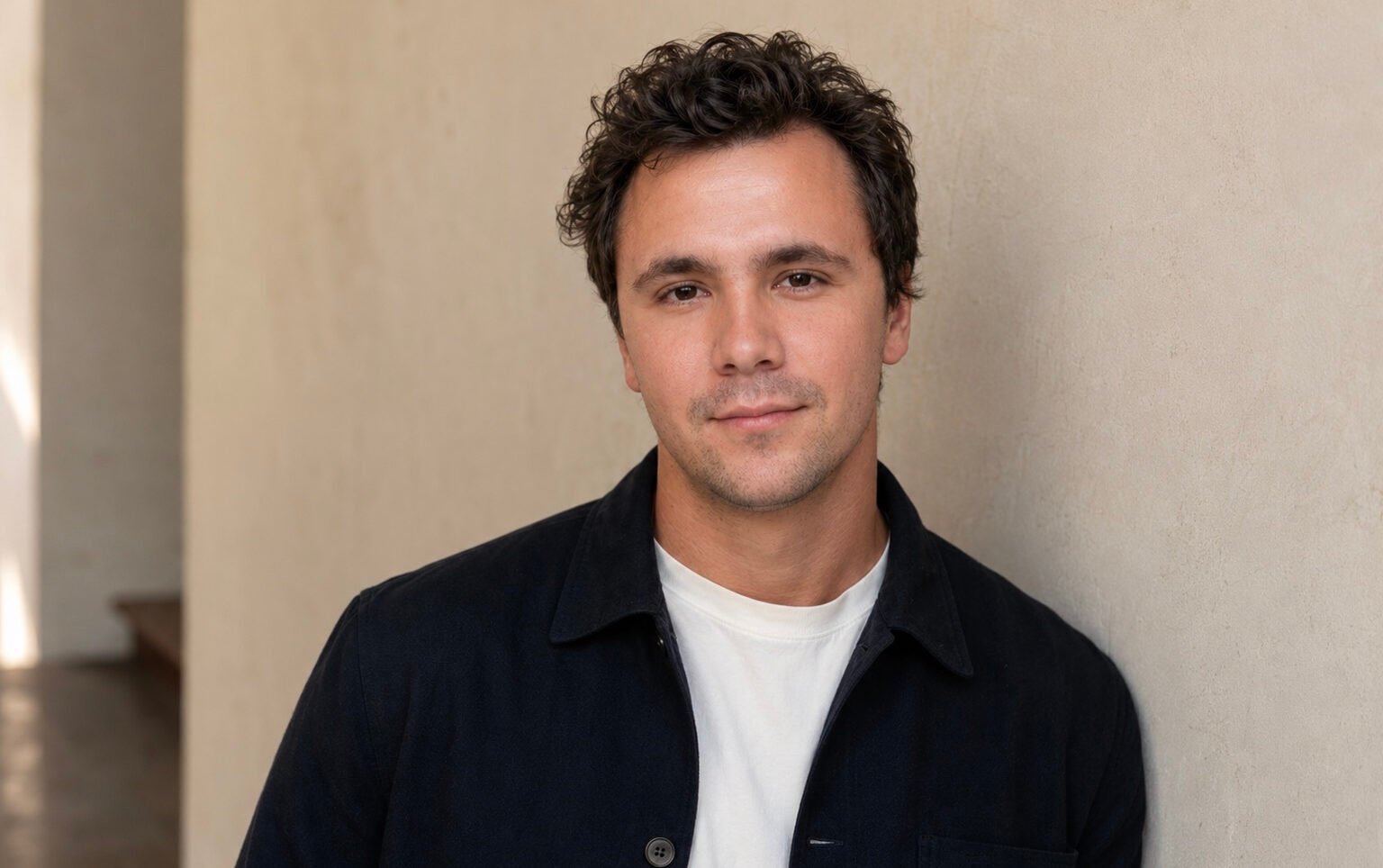
Nicholas Paskhover began filmmaking with an active imagination. A borrowed camera helped, and a childhood wish to translate the stories in his head into visible form. Years later, that same instinct would lead him somewhere far more personal.
‘Dance With Me’ marks his latest short film. It reflects his grandparents’ experiences, especially the years when dementia erased memories of a long marriage. But rather than simply recreate their story, Paskhover uses fiction to explore the emotional truths that memory cannot always preserve. Through Sasha and Anya, he examines what happens when love survives even as recognition begins to disappear. He weaves together the wounds of war, the fragility of memory, and the enduring power of music.
Paskhover discusses turning family history into cinema. He talks about working with veteran actors Laraine Newman and Elya Baskin. He explains how he built the film’s distinctive visual and sonic language and why personal stories can become universal.
Nicholas: I was a shy, introverted, spacey kid with a very active imagination. I was attempting epic fantasy novels, and at some point, I started messing around with my parents’ camera and realized I could actually make movies. I forced my friends to act in my early shorts, and it kind of grew from there. My parents are Soviet Jewish immigrants, and most of their friends’ kids were pushed into law, medicine, or real estate. “Real jobs.” Mine supported the filmmaking from the very beginning, so I was very lucky.
Nicholas: Sasha and Anya were reconstructed from my grandparents, but also from many other people I encountered in my research. That just allowed me to do more as a storyteller. I could fold several survivors’ experiences into one man, and build out Anya’s side of the story beyond the pieces that ever got spoken out loud.
If I had tried to do a straight reenactment of their lives, it would have been dishonest anyway. They aren’t here anymore, and most of what I knew about my grandfather’s experience came to me secondhand, so what those last years were like from the inside is something nobody can really speak for. Memory doesn’t keep a clean record either. Every time we go back to something we rebuild it a little. And often times the story version of things can be truer emotionally than the objective record. I think that applies here.
Nicholas: The title really speaks to the heart of the movie. When I started writing, I was trying to find the thread between my grandparents that could cut through the darkness. Music was a big part of their life together, and it’s been that way for me too. My mom is a musician, my brother is a professional DJ, and music is one of the things that inspires me to write. I’ve always been struck by its power to take you back to a place or a moment in time. And then I remembered my mom telling me that my grandparents met at an outdoor community dance, which was common in Ukraine back then. That’s really where the title came from.
Nicholas: The idea of the person you’ve loved your whole life starting to see you as a stranger, and eventually as a threat, was the thing that inspired me to write and commit to this project. Honestly, I can’t think of many things more horrible than that. We’ve seen dementia and PTSD on screen before, but I kept thinking about the person on the other side of it. My grandmother spent years watching my grandfather forget her while she kept loving him and caring for him anyway.
The film was actually more focused on Sasha early on. But Sasha doesn’t get to choose what’s happening to him, and Anya is the one who has to make the difficult decision, the one who has to change for their own good. To me, that’s where the drama was.
Nicholas: With Elya, it goes back to being a kid. I used to watch Sam Raimi’s Spider-Man trilogy on repeat, and Elya was the landlord. I started recognizing him in tons of other shows and movies, and of course his breakout role in Moscow on the Hudson with Robin Williams. I could tell he had far more range and talent than some of the roles he’d get typecast for. He also just has one of those faces where every expression cuts through. I don’t totally know how to describe it, but you feel everything he’s feeling.
With Laraine, her history really was a big part of it. She’s lived through a lot, and she connected deeply with Anya when she read the script. She hadn’t done live action in decades, and not many dramas, but some of the best performances I’ve seen have come from veteran comedy actors stepping into dramatic roles. She’s so talented, and honestly I’m grateful they both took a chance on a short.
Nicholas: Sasha doesn’t experience these moments as flashbacks. To him, it’s all happening now, so the film couldn’t treat the past like the past, it had to spill into the present. But you still need rules when you’re dealing with hallucination and flashbacks, and ours came from the rhyme and connection between moments. Almost all of the transitions are cut off of sound, and the waltz most of all, which pulls Sasha into the past and, in the ending, pulls him back out of it. Sound doesn’t care what year it is. The build to the climax is more visual and situational, where Sasha’s present starts to mirror the past piece by piece, the men outside the window, the herring, the barricaded door. It’s the payoff for everything that came before it, and the rules are really for the audience. The film teaches you its language early so that when Sasha finally loses track of where he is, you feel it with him instead of just watching it.
Nicholas: The music was in the script from day one. Forrest and I started on the waltz well before production, and the rest of the score grew out of that one melody.
Nicholas: The film goes back and forth between the tenderness and the darker material the whole way through. In the beginning they mostly live in different places, and as it goes on they close in on each other until the climax is running both at once. So we never really picked one point to shift. We just thought about the state the audience is in from scene to scene, and the darker beats carry more weight once the connection between Sasha and Anya is established. In a short film you have to be really careful about earning that emotional investment.
Nicholas: For anyone who has lived some version of this story, I hope the film makes them feel seen. For everyone else, it’s about something we all live with. Everything is temporary. It’s sad and also sort of beautiful. Moments of awe and joy fade, and chasing them or gripping them never brings the original back. But a song or a sound can carry a piece of one into a new moment.
Nicholas: Figure out what feels most alive in it for you, because that’s the reason to make it. But then try to put yourself in the shoes of somebody who doesn’t have your personal connection to the story. It means everything to you by default. It doesn’t automatically feel that way for a stranger. A film built from lived experience will always find the people who have been through something similar, and the challenge is opening it up to everyone who hasn’t. That’s the beauty of film and what it can do. For a few minutes it puts us inside a life we’ve never lived, and we come out of it understanding each other a little bit more.
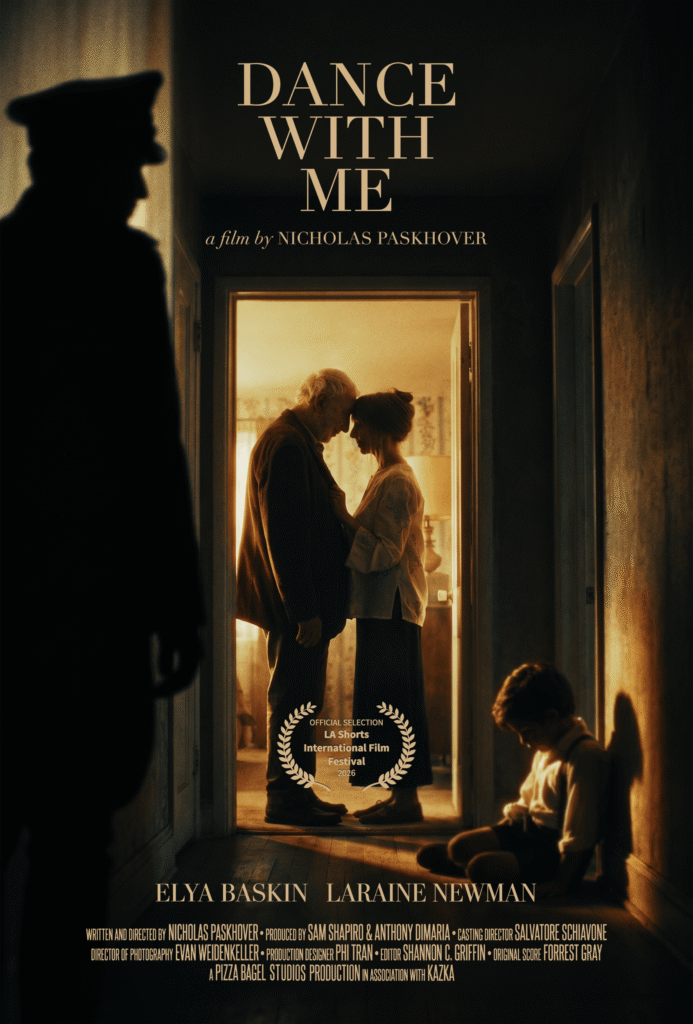
At its core, Dance With Me is a film about the things we cannot hold onto forever. Memories fade, people change, and even the moments we treasure eventually become part of the past. Yet Paskhover finds something hopeful within that impermanence. A song, a sound, a gesture or a shared moment can carry something forward even when memory itself begins to fail. Perhaps that is what makes the film so affecting: beneath its story of dementia and trauma is a simple reflection on what it means to love someone through change.
Paskhover hopes the film will make those who have lived through similar experiences feel seen, while allowing everyone else a brief glimpse into a life they may never have known. And in doing so, Dance With Me embodies his own belief in the power of cinema to place us inside another person’s experience and, for a few minutes, make us understand one another a little better.
There are filmmakers who step into the craft by chance, and ...
Some stories do not ask to be told loudly. They arrive ...

Leave A Reply