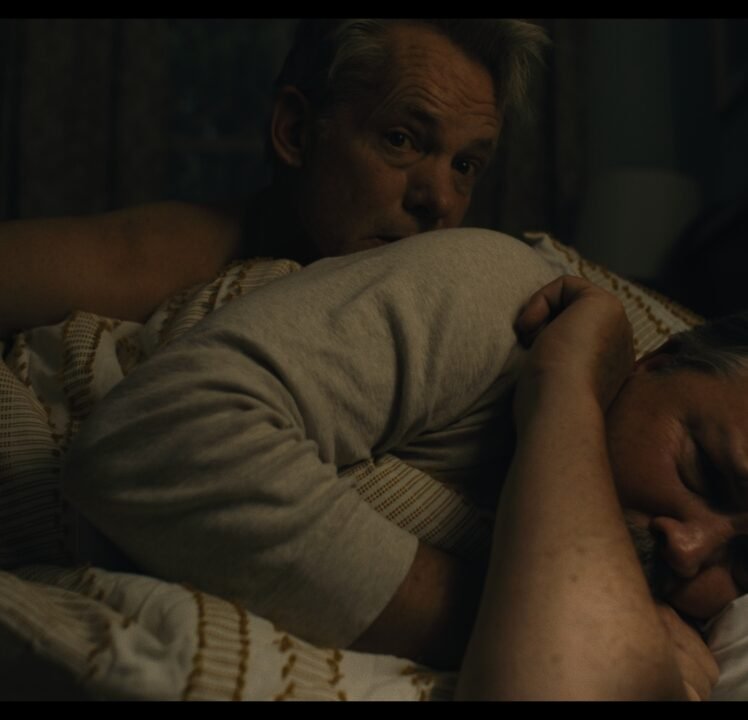
If You Should Leave Before Me – Love, Loss and Oddity
Some films lure you in with their premise alone, whispering promises ...

There is something profoundly moving about stories of people who refuse to let tragedy become the final chapter of their lives. ‘Body of Work’, the short documentary directed by Cassidy Rast and Odin Wadleigh, is one such story. More than a portrait of an artist, it is a testament to resilience, the healing power of creativity, and the remarkable ways people can rebuild their lives when everything they once knew is suddenly taken away.
Not everyone gets a second chance after a life-altering incident. For Eric Anfinson, that chance came after a devastating spinal cord injury sustained during a high school football game left him paralysed. What could have been the end of one dream instead became the beginning of another, one fuelled by self-discovery, perseverance and art.
The film wastes little time immersing viewers in Eric’s world. Through intimate interviews, archival footage, beautifully textured 16mm cinematography and carefully staged recreations, ‘Body of Work’ pieces together a deeply personal journey that feels as cinematic as it is authentic.
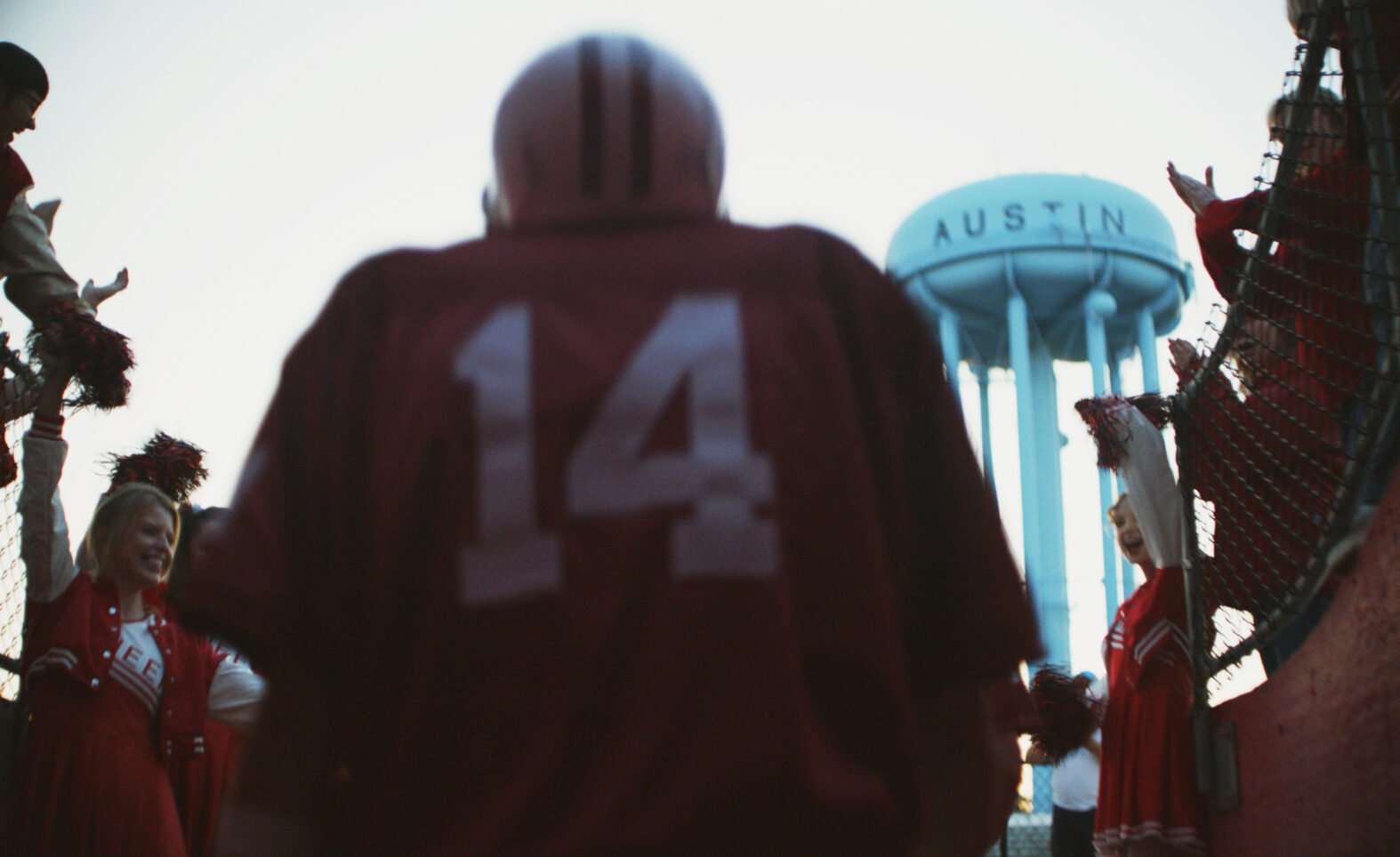
One of the documentary’s greatest strengths lies in its recreation of the football game that forever changed Eric’s life. Rather than serving as a simple visual aid, the sequence is executed with such confidence and emotional precision that it could easily stand on its own as part of a narrative feature. It effectively captures the tension, innocence and devastating unpredictability of that fateful night, giving viewers a tangible sense of the moment everything changed. Those scenes carry considerable emotional weight and become the foundation upon which the rest of Eric’s story is built.
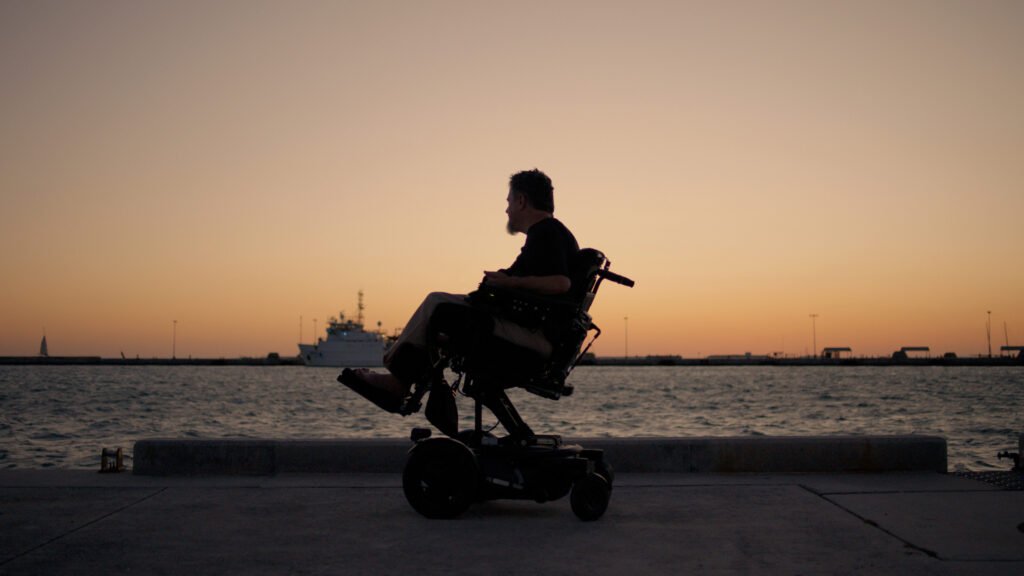
Eric himself is, unsurprisingly, the documentary’s emotional anchor. His first-hand account of the accident, the challenges that followed and the path that eventually led him to art is delivered with honesty and quiet conviction. There is no attempt to dramatise his pain beyond what is necessary. Instead, the film allows his lived experience to speak for itself, making his resilience feel genuine rather than manufactured.
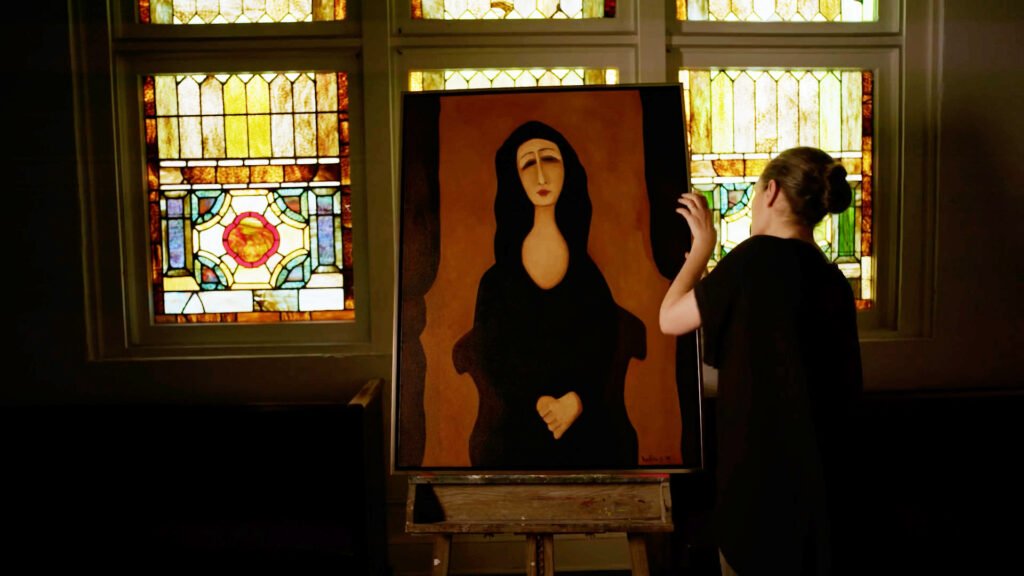
Equally compelling is the exploration of Eric’s artistic practice. His work becomes far more than paintings or creative expression. It became therapy, identity and a language through which he continues to process his life. The documentary also broadens its perspective by introducing other artists who have been inspired by Eric’s work, reinforcing the ripple effect that creativity can have beyond the individual. Seeing some of his recent pieces only strengthens that message, revealing an artist whose experiences continue to shape meaningful and thought-provoking work.
The film’s directors avoid turning Body of Work into a conventional story about disability. Instead, they craft a film about possibility. It acknowledges loss without dwelling on it, choosing instead to celebrate resilience, purpose and the transformative nature of art.
By the time the credits roll, ‘Body of Work’ leaves behind more than admiration for Eric Anfinson’s remarkable journey. It reminds us that healing rarely follows a straight path, that second chances are worth embracing, and that art possesses a unique ability to mend what words often cannot.
Like Eric’s own creations, this documentary reaches beyond the screen, leaving viewers inspired long after it ends.
Some films lure you in with their premise alone, whispering promises ...
Grief has a way of reshaping how we see the world, ...

Leave A Reply