
F1 The Movie – Runs Smooth But Feels Too Safe.
Joseph Kosinski’s F1 arrives with the weight of expectation, the kind ...


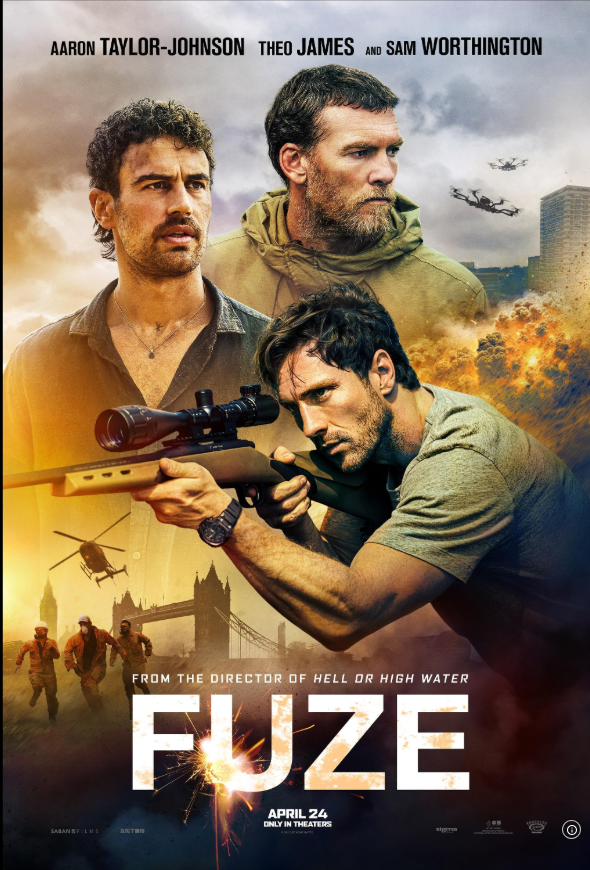
There is something inherently gripping about stories built around a ticking clock. The moment a film introduces a threat that could explode at any second, the audience is immediately pulled into a state of anticipation. David Mackenzie’s ‘Fuze’ understands that instinctively.
It takes a familiar setup. A wartime bomb discovered beneath modern-day London is used as the spark for a thriller that is constantly shifting beneath your feet.
At first, ‘Fuze’ feels like a straightforward exercise in suspense. Construction workers uncover an unexploded World War II bomb in the heart of the city, forcing authorities into a massive evacuation effort. Military bomb disposal experts arrive, police establish control, and an entire section of London is transformed into a tense exclusion zone. The situation alone is enough to sustain a compelling thriller, and for a while, the film wisely leans into that tension.
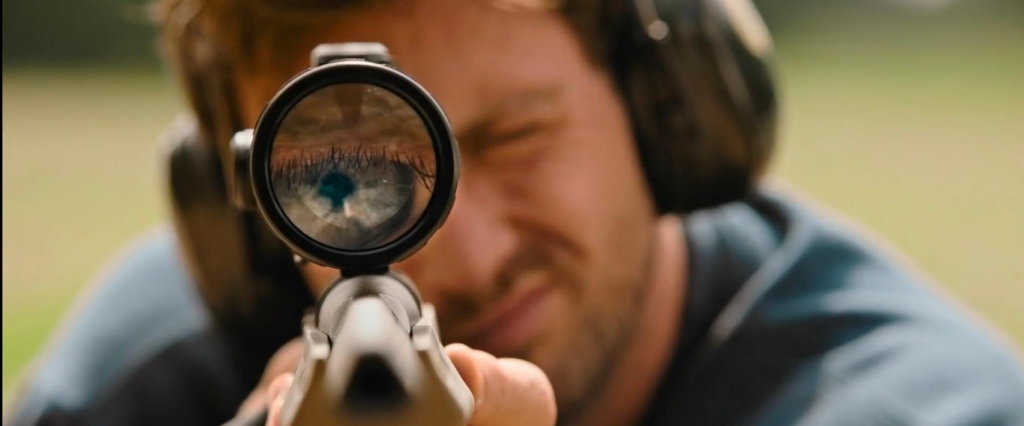
Aaron Taylor-Johnson anchors these early scenes with a performance that feels grounded and controlled. His Major Will Tranter is the kind of professional audiences immediately trust. He is calm under pressure, methodical in his approach, and fully aware that one mistake could cost lives. Taylor-Johnson brings a quiet intensity to the role, avoiding unnecessary heroics and instead focusing on competence. In many ways, he becomes the audience’s point of stability as the story grows increasingly unpredictable.
What makes Fuze particularly interesting is its refusal to remain one type of film. The discovery of the bomb soon becomes the catalyst for something much larger. As London’s attention focuses on the evacuation, other players begin operating in the shadows. Criminal schemes emerge, hidden agendas surface, and the narrative expands beyond the immediate danger of detonation.
This is where the film will likely divide audiences. Some viewers will appreciate the ambition. Mackenzie continually introduces new layers to the story, transforming what could have been a conventional disaster thriller into a sprawling crime puzzle. Every revelation encourages the audience to reassess what they thought they knew. Characters who initially appear straightforward reveal additional dimensions, and events that seem disconnected gradually begin forming a larger picture.
Others may feel that the film occasionally stretches credibility in its pursuit of surprise. There are moments where the plotting demands a considerable amount of trust from the audience. Certain connections arrive with such precision that they feel less organic than engineered. Yet even when the narrative threatens to become overly complicated, Mackenzie rarely loses control of the momentum.
That momentum is arguably the film’s greatest strength. The pacing remains remarkably consistent throughout. Mackenzie keeps multiple storylines moving simultaneously without allowing any single thread to dominate for too long. The film jumps between military operations, criminal activity, police investigations, and personal motivations with confidence. Even when the narrative takes unexpected turns, there is always a sense that something important is happening just around the corner.
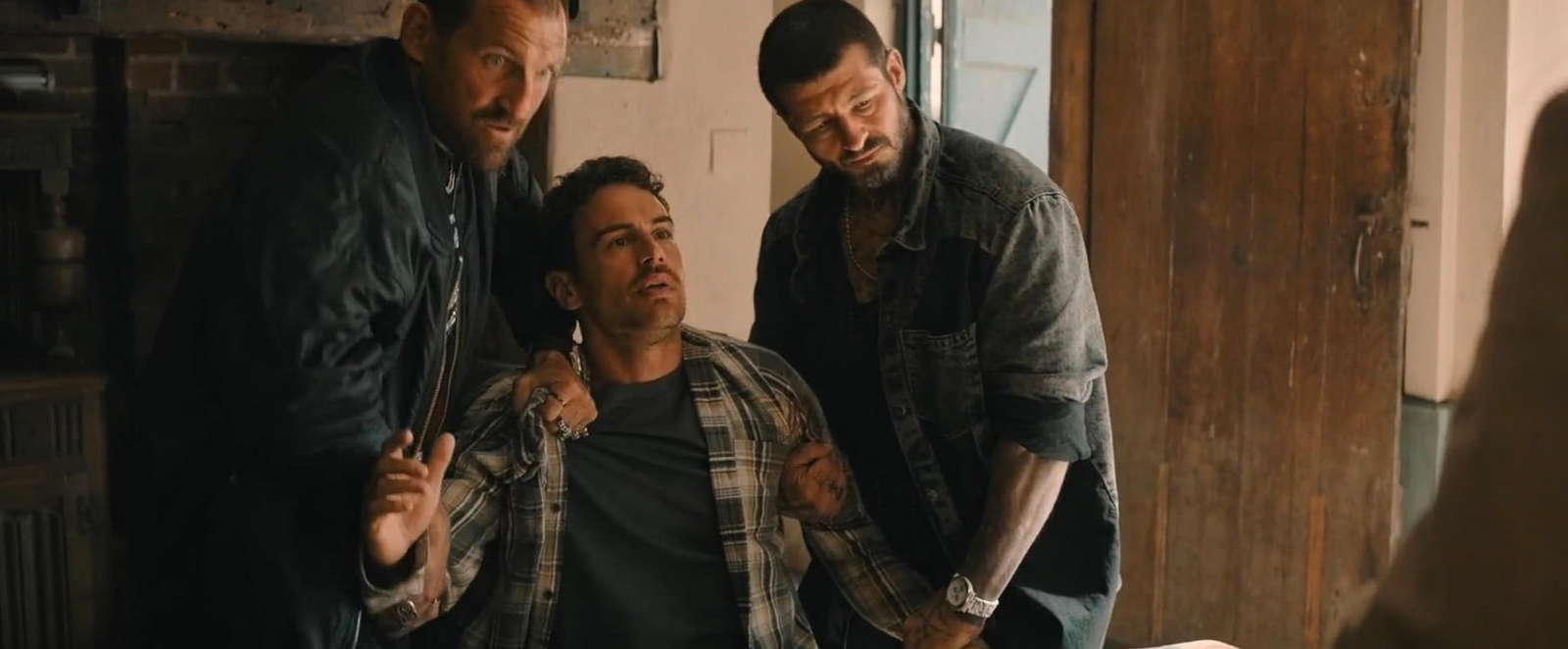
Visually, Fuze makes excellent use of its urban setting. London is not presented as a postcard city filled with tourist landmarks and glossy imagery. Instead, it feels functional, lived-in, and vulnerable. Empty streets, sealed-off zones, construction pits, and underground spaces create an atmosphere of uncertainty. The city becomes a character in its own right. A place carrying the physical scars of history while confronting entirely new threats.
What impressed me most about Fuze is its understanding of tension as something more than explosions and action sequences. Some of the film’s best moments occur in silence or near-silence. Mackenzie allows scenes to breathe, letting uncertainty do much of the work. An empty street, a nervous glance, a delayed decision, these moments often generate more suspense than the larger action set pieces.
The action itself is well executed and easy to follow, a quality that has become surprisingly rare in modern thrillers. Geography matters here. The audience understands where characters are, what obstacles they face, and what is at stake. As a result, the film’s more explosive moments carry genuine weight.
‘Fuze’ is not a perfect film. Its desire to continually escalate can occasionally push it into territory that feels overly intricate. Some viewers may wish it had remained focused on the wonderfully simple premise promised by its opening act. Yet there is also something admirable about a thriller willing to take risks rather than settling for predictability.
By the time the credits roll, Fuze has evolved into something far bigger than a bomb-disposal drama. It becomes a story about deception, opportunity, and the unexpected ways history can collide with the present.
Joseph Kosinski’s F1 arrives with the weight of expectation, the kind ...
Ali Marsh’s 'Pittsburgh' is a simple short film, but it carries ...


Leave A Reply