
UFO Documentary “God Versus Aliens” to Premiere at Cannes, Exposing the Vatican’s Secrets
Cannes, FranceWith all the glamour of the 2005 Cannes Film Festival ...

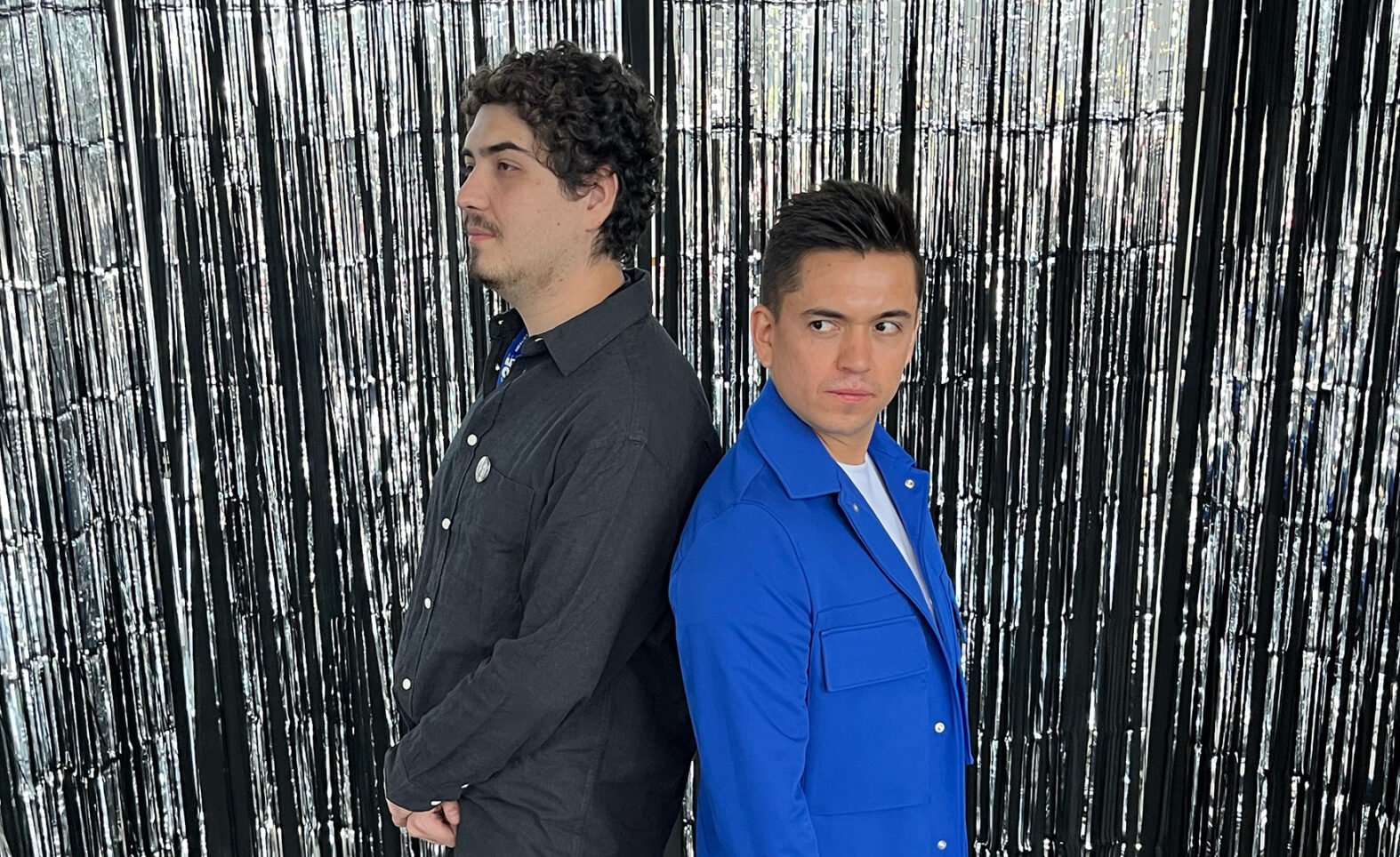
Long before they premiered films at international festivals, Alex and Diego Barragán were simply two brothers spending Sunday mornings watching movies and imagining what it would be like to create stories of their own. Years later, that childhood dream has evolved into a creative partnership built on trust, complementary talents, and a shared passion for authentic storytelling.
Their latest feature, ‘Jardines del Bosque’, is a poignant coming-of-age drama that explores childhood innocence against the backdrop of a society where violence has become an unsettling part of everyday life.
In this conversation, the Mexican filmmaking duo reflects on the origins of their collaboration, the personal inspirations behind the film, the challenges of portraying sensitive subject matter with honesty, and why the most universal stories often begin close to home.
AB: This goes back to our childhood. I remember watching films with Diego on Sunday mornings and saying, “Wouldn’t it be cool to make movies one day?” Our paths initially took us in different directions, Diego pursued filmmaking while I focused on music and later studied marketing. Our first creative collaboration came when I filmed my band’s shows and tours on a handycam, and Diego edited the footage into a music video. After graduating, we decided to combine our skills and founded our own independent film company.
DB: We wanted to tell a story about growing up in the place where we grew up and capture what that experience felt like. Jardines del Bosque is the name of a neighborhood in our hometown of Guadalajara. While we didn’t grow up there and didn’t experience the exact events portrayed in the film, a great deal of our own experiences and emotions are reflected in it. Many Mexican films address violence, but we felt few explored how living alongside it shapes childhood and the transition into adulthood.
AB: Yes, we wanted to show that these issues are not exclusive to marginalised communities. Jardines del Bosque is the name of a middle-class neighborhood in Guadalajara, but it could just as easily be any neighborhood in Mexico. That’s one of the reasons we chose the title. We wanted to make the point that violence and disappearance are not distant problems affecting only certain sectors of society—they can touch anyone, anywhere.
AB: Definitely. Unfortunately, this situation has not changed. Today, there are around 134,000 people reported missing in Mexico, so the story remains painfully relevant. We chose to set the film in the 2010s because that was the period that shaped our own memories of growing up, but the issue is still very present. In many ways, the same story could happen today.
DB: It was something we were very conscious of from the beginning. Some films tend to sensationalize violence, while others shy away from it completely. We wanted to find a middle ground: to acknowledge that these things happen and that they leave deep scars, especially on children, but without exploiting that pain for the sake of drama.
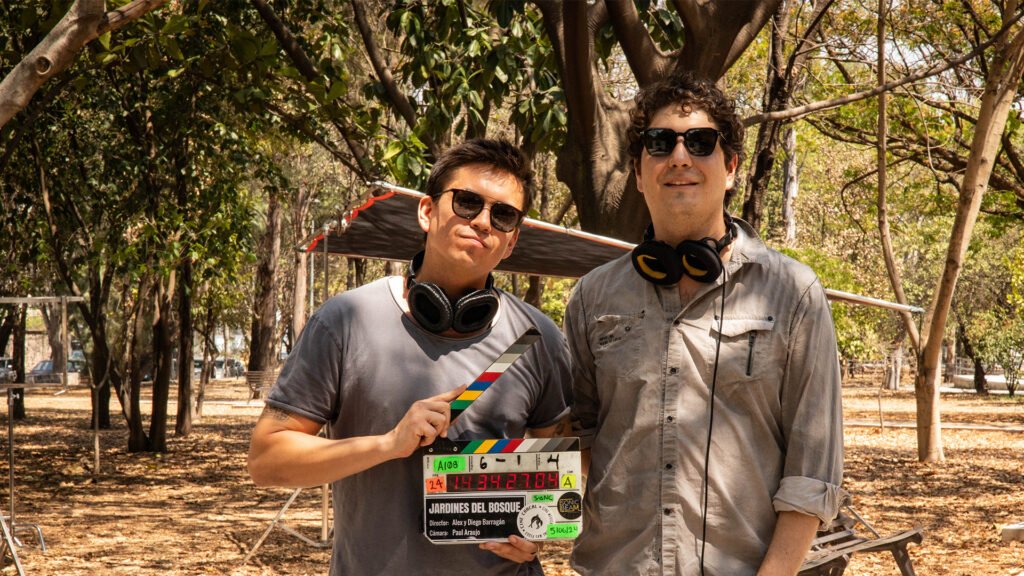
AB: For us, the most important thing is that everyone involved understands the vision of the project and how their work contributes to bringing it to life. We’ve been collaborating with many members of our cast and crew for years, so there’s already a strong foundation of trust, friendship, and shared creative values. Beyond talent, we look for people who show leadership, a deep understanding of their craft, and a willingness to collaborate. Filmmaking is a collective effort, and having the right team makes all the difference.
DB: Yes absolutely. There were many small moments of spontaneity throughout the shoot. Sometimes a reaction, a pause, or the way a line was delivered felt more truthful than what we had imagined. It’s always magical whenever that happened, and we tried to embrace it rather than control it.
DB: One thing we’ve learned is that any major creative discussions need to happen before we get to set. We try to have those conversations in private and during the development of the film, not during production. If there’s a creative disagreement, it needs to be resolved before filming begins. By the time we’re on set, we want to be completely aligned so that we can function as allies and give the cast and crew a clear sense of direction.
AB: It’s been amazing so far. We just had our World Premiere at Raindance Film Festival in London with a sold-out screen. People from different nationalities showed up and where touched by the film. We’ve been fortunate enough to receive comments on how the film made them feel different emotions and how universal the topic is no matter where you grew up.
AB: We have several projects in development, both individually and as collaborators. Working together is something we genuinely enjoy, and it’s a creative partnership that has worked very well for us over the years. At the same time, we each have stories and themes we’d like to explore on our own. Between us, we’re developing feature films, television series, and documentaries, so there’s a lot keeping us busy and excited about the future.
AB: Try to tell your own unique perspective on the issue. Ask yourself why you want to tell that story, why it matters to you, and how it has affected you personally. The more authentic and honest you are, the more powerful the film will be. As Leo Tolstoy famously said, “Paint your village, and you will paint the world.” I believe the most universal stories often come from the most personal places.
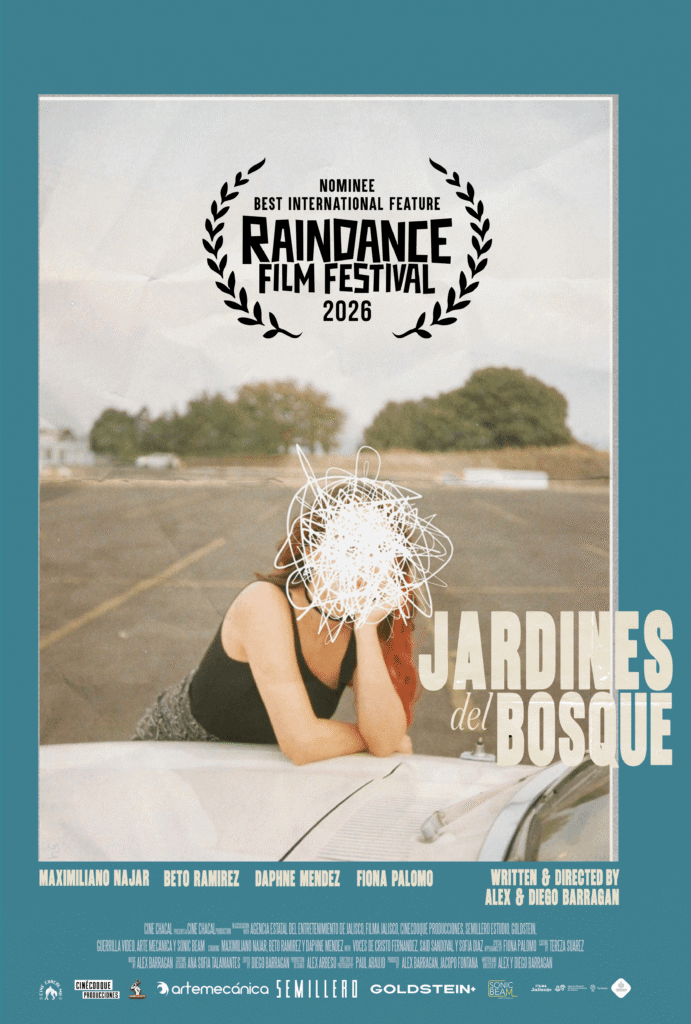
Speaking with Alex and Diego Barragán, it’s clear that ‘Jardines del Bosque’ is more than just another coming-of-age story it is a deeply personal reflection on memory, empathy, and the quiet ways our surroundings shape who we become. Their thoughtful approach to filmmaking, grounded in authenticity rather than spectacle, extends beyond this film and into the advice they offer aspiring storytellers: tell the stories only you can tell.
As the brothers continue developing new feature films, documentaries, and television projects, their creative partnership remains rooted in the same spirit that first brought them together as children, two brothers with a shared belief that cinema has the power not only to entertain, but to help us better understand ourselves and each other.
Cannes, FranceWith all the glamour of the 2005 Cannes Film Festival ...
The Michael Jackson biopic Michael has officially become the highest-grossing film ...
Leave A Reply