‘Scary Movie’ Reboot Leads Global Charts With $100M-Plus
They said parody was dead. The Wayans brothers just proved otherwise. ...

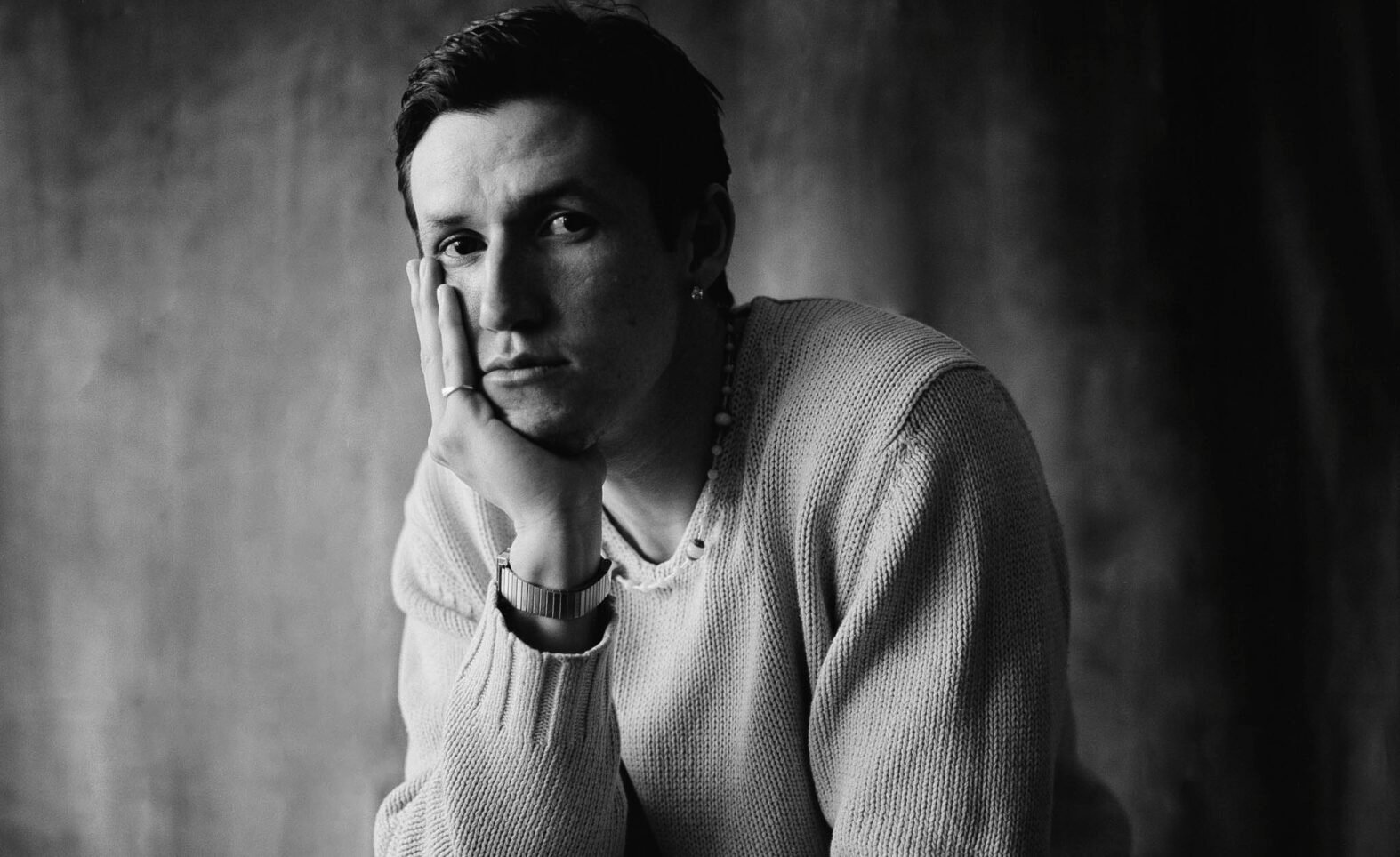
Filmmaker Denzel Vazquez speaks about memory, grief, and human connection in a very quiet and intriguing way. In Leap and Soar, the Mexican filmmaker and visual artist does not approach loss through spectacle or emotional manipulation, but through silence, fragmented recollections, and the invisible weight people carry when words are no longer enough. What emerges is a deeply intimate meditation on death, love, vulnerability, and the spaces that exist between people trying to heal. Drawing inspiration from personal fears, lived experiences in Ciudad Juárez, dance, photography, and contemplative cinema, Vazquez crafts a film that feels less like a conventional narrative and more like an emotional memory suspended in time.
In this conversation, he opens up about confronting grief through art, embracing vulnerability as a creative language, and why silence, trust, and human connection became the emotional foundation of Leap and Soar.
Denzel: My journey in filmmaking has been nonlinear. I moved to Canada to pursue filmmaking, and I started my career as a cinematographer. I constantly go back and forth between different ways of expressing myself, dance, photography, and mixed media art. I love being inspired by the invisible things in life and expressing them through different mediums. But at the end of the day, I always come back to filmmaking, where I can merge all these experiences and emotions into this transformative art form.
Denzel: I journal a lot. About two years ago, I wrote about my fears, especially my fear of death. For a long time, it was something that took over my sanity at times. It would wake me up at night. I’m from Ciudad Juárez, and death has always been present in my life, through friends, family, and my community. Writing about it helped me confront how much it had taken over me. At the time, I wrote it as a monologue and rereading it over and over again allowed me to expand the idea and eventually fictionalize it.
Denzel: I once read this small story, almost like a poem, about an ice cube that was afraid of melting, afraid that it would disappear. But what it didn’t realize was that melting was necessary for it to become water, to become part of a river and flow, eventually reaching the ocean and becoming something greater. Then one day it evaporates, becomes part of the clouds, and finally becomes free.
Denzel: Memories are deeply personal to every one of us. We can share memories with our loved ones, but they still carry this quality that feels entirely our own. No matter how many people share the same moment, at the end of the day we go to bed feeling that memory belongs only to us. I wanted to capture that collective subjectivity of memory, this first-person emotional perspective inside shared experiences.
Denzel: Of course. Edward Hopper was a huge influence, especially the way he explores the relationship between individuals, psychology, and the spaces they inhabit. There’s a sense of disconnection in his work that really stayed with me. Emmanuel Lubezki was also a major influence because of how contemplative and poetic his cinematography feels. And Aftersun by Charlotte Wells deeply inspired me as well, it’s such a personal and autobiographical exploration of memory.
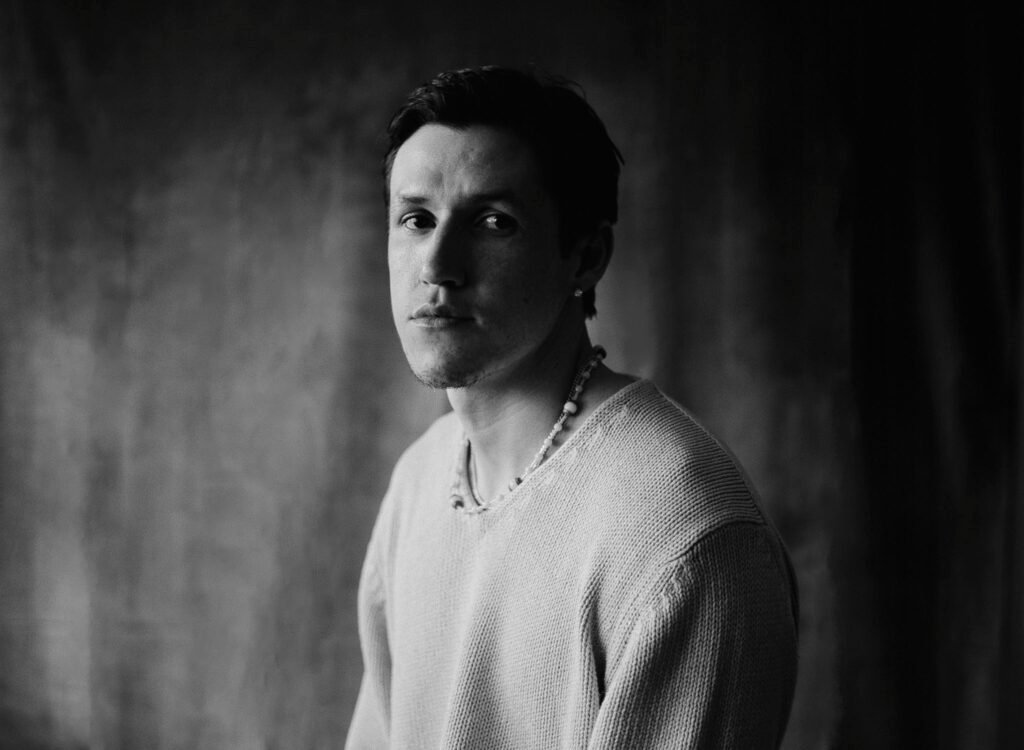
Denzel Vazquez
Denzel: Silence may sound peaceful and calming, but when you live with unresolved questions, emotions, and grief, silence becomes heavy. It turns us into a small boat in the middle of the ocean, completely at the mercy of its waves. I wanted to portray silence not as peace, but as a burden.
Denzel: I was lucky that my actors are very close friends of mine. We rehearsed for six months, sometimes once a week, sometimes twice a month. I used my dance and performance background to Denzel: approach rehearsals in a very physical way. Around 70% of the exercises never involved speaking. They involved trust, movement, silence, and then, within one second, a sudden burst of emotion.
Denzel: On the contrary, I seek vulnerability. I aim to work with and surround myself with people I can be vulnerable with. Being vulnerable means being honest, and honesty is deeply connected to life itself. My close circle was crucial in helping me convey that vulnerability. I poured so much of myself into the film, then curated it, and eventually we diluted and shaped it collectively as creatives.
Denzel: You have to trust, with your gut, mind, and soul, the people you collaborate with. The people I work with are not only filmmakers, they are also my friends. I trust them, and they trust me. I believe the most beautiful things in life come from trust, and trust comes from love.
Denzel: Don’t be afraid to feel. Don’t be afraid to take on the journey of life. Smile, cry, embrace sadness, enjoy happiness. Leap and soar.
Denzel: It definitely has. This film made me realise that I am someone capable of forgiving, capable of loving, and capable of carrying strength within myself. I hold precious memories of the past, and I’ve learned to be grateful for the moments I share with the people who love me and the people I love.
Denzel: I believe I have a mission on this earth: to explore my soul and the human soul through art and storytelling. I want to tell stories that connect with the most vulnerable parts of ourselves, the parts we hide, the parts we are proud of, ashamed of, afraid of, and the parts that make us feel alive. My next project will most likely be another short film before I move into my first feature film.
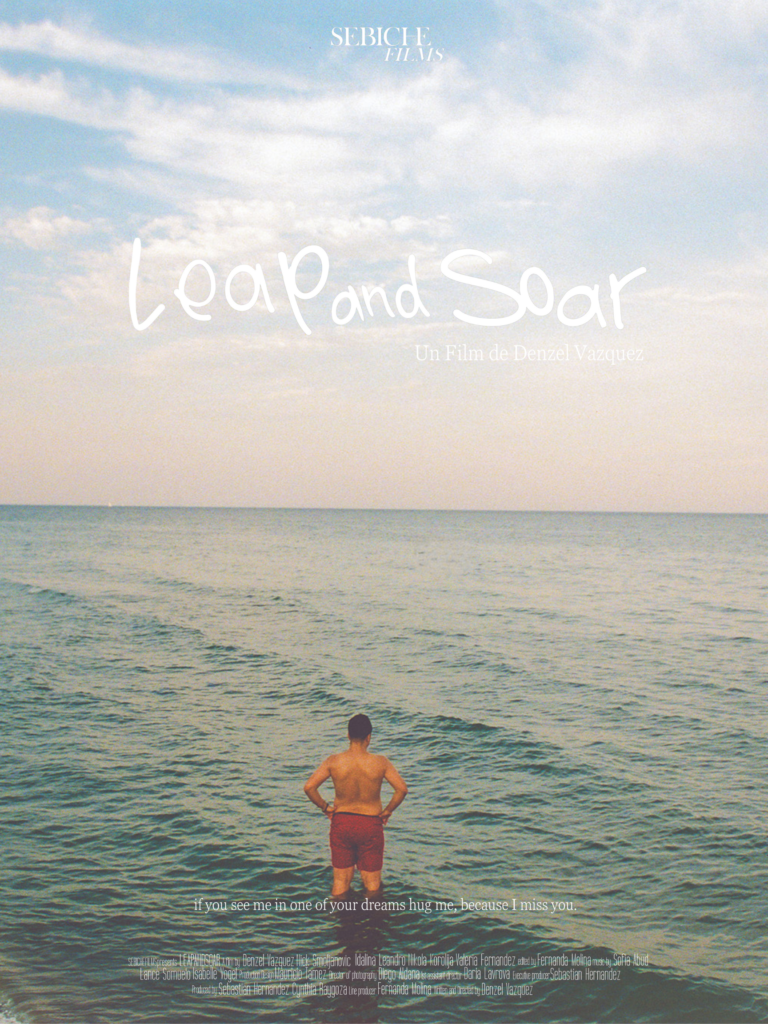
This conversation with Denzel Vazquez reveals a filmmaker who is not merely interested in telling stories but in excavating the emotional truths buried beneath them. There is a sincerity in the way he discusses art, grief, memory, and vulnerability that mirrors the emotional texture of Leap and Soar itself. His reflections on silence as burden, trust as love, and vulnerability as honesty give the film an emotional depth that lingers long after the conversation ends. As he looks toward future projects and eventually his first feature film, one thing feels certain. Vazquez is committed to creating cinema that reaches into the most fragile and human parts of us, the parts we often struggle to name, yet instinctively recognise when we see them reflected onscreen.
They said parody was dead. The Wayans brothers just proved otherwise. ...
In 'Dead Weight', Virginia Root strips the post-apocalyptic genre of its ...

Leave A Reply