The Bride! – Love, Rage, and Rebirth
There’s something inherently seductive about revisiting myth through a woman’s lens, ...

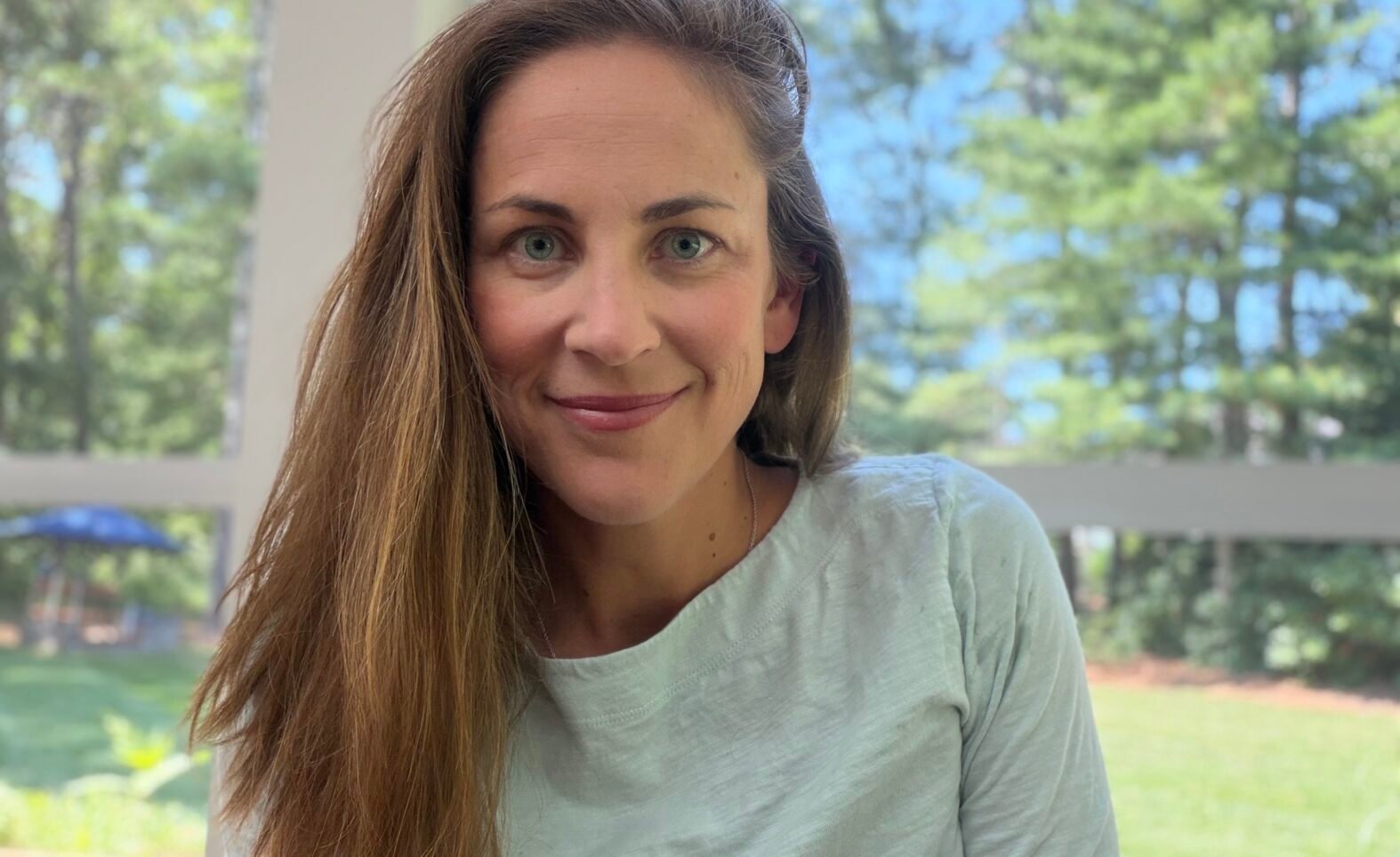
To audiences watching ‘Dragon Mom’, Laura Will is the devoted mother at the heart of an intimate documentary about disability, resilience, and unconditional love.
But beyond the screen, she is also a nurse, a storyteller, a poet, and an advocate committed to helping families and healthcare professionals navigate some of life’s most complex realities. Through her work with Courageous Parents Network and her deeply personal writing, Laura has transformed profound grief into a source of empathy and education.
In this conversation, she reflects on raising her son Alden, embracing the identity of a “Dragon Mom,” and why the film is ultimately less about overcoming disability than it is about recognising dignity, belonging, and the beauty that exists when we learn to see the world through a different perspective.
Laura: Well, I love my job title: Story Curator. I work for Courageous Parents Network, where I leverage the power of story telling to support, educate and empower clinicians and caregivers of children with severe medical complexity. I am a nurse by training, and that continues to be an important part of my identity. I am passionate about palliative care, a medical speciality for which quality of life is central to each and every medical decision.
Laura: I was all in. Harrison is honest; and like me, he wears his heart on his sleeve. It was easy to entrust him and his team with our story. While the final production is dramatically different from what we sketched out in that initial conversation, it evolved organically, thanks to Harrison’s flexibility and desire to capture our life with the utmost authenticity.
Laura: From the moment you go into labor, motherhood teaches you that you are not in control. I am at my best as a parent when I am able to let go of my expectations, and instead let Alden show me what he needs and deserves. There is something freeing about letting go of the stereotypical measurements of societal success. Because of disability, Alden’s life may not be ornamented with degrees and trophies; instead I’ve learned to live deeply in the joy and presence of the here and now.
Laura: Dragon Mom is a term for a mother who will outlive (or has outlived) their child. The phrase is a source of strength and solace. I grieved my expectations of motherhood and the many hopes I had for the life of a neurotypical child; and, out of the ashes, a Dragon Mom was born. Dragon parenting shifts the goal from raising independent adults to helping our children live with as much comfort, joy, and dignity as possible, guided by a love that is fierce and truly unconditional.
Laura: Maybe it’s from all my years working as a nurse that I learned how messy life is for everyone at some point. We are all human, with our flaws and emotions. We are all trying our best and juggling so much. When I can share in my vulnerabilities—my grief, misconceptions, biases and frustrations—I don’t feel alienated; I feel held in community.
Laura: He vibes. He feels the energy of those around him and gives joy to those who are ready to receive it. Like most kids his age, he is super present-moment-minded, and his attention is only held by things he really cares about. We know he can understand almost everything we say to him; but he does not use his speech device to strike up much conversation, preferring instead to use body language. I wish I could step into his perspective, even briefly, to see and feel the world the way he does.
Laura: Grief is a wild thing. In the year after Alden’s diagnosis, the poetry seemingly wrote itself. Stanzas would arrive almost fully formed in my mind. I’d be in the middle of some mundane mothering task, and then, all of a sudden, I’d be scrambling for a pen and paper. More recently, poetry has given way to prose, as writing has transformed from being a release valve for grief into a tool for empathy and education. For Courageous Parents Network, I support clinicians and family members caring for children with complex medical needs as they craft an aspect of their lived experience into a story to support and empower others.
Laura: Wild, totally surreal, and extremely validating. I felt a deep sense of gratitude towards Harrison for believing that Alden’s story is a story worth telling and towards the whole Pandion team for their skill and artistry.
Laura: Yes, this is hard. No, you don’t deserve this. And no, it’s not your fault. Ultimately, the only thing you can control is how you react. Resilience is not having the strength to stay standing, it’s finding the strength to get back up, again and again. As much as possible, focus your attention and energy into small chunks of time. If the next six months feel overwhelming, focus on this week; if tomorrow is overwhelming, focus on this hour. The journey may or may not get easier, but you will get more hearty and capable than you can currently imagine. Trust yourself and your future self. You got this.
Laura: The next time you see a person living with disability, I’d hope you can more easily sense their inner strength—not as a source of inspiration, but deserving of respect. Like yours, Alden’s life is full of love, adventure, challenge and triumph. But his body requires much of the world around him to adapt so he can access it in a dignified and successful way. I hope more people can discern the importance of belonging and are inspired to advocate for facilitating these adaptations.
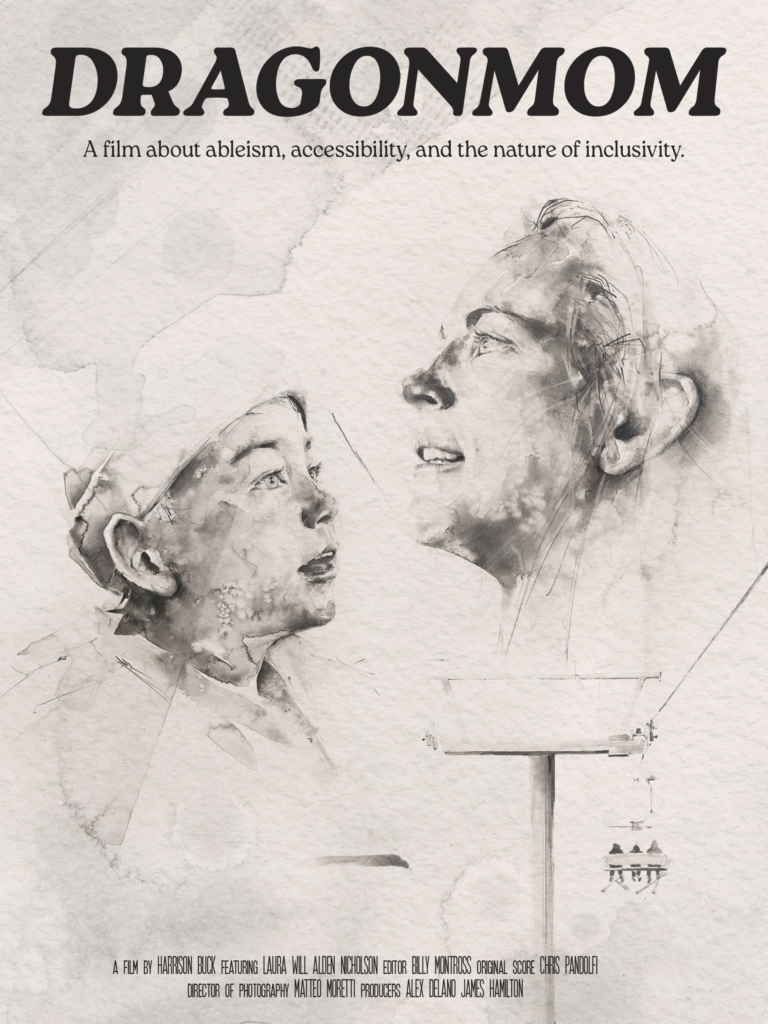
What makes Laura Will’s story so compelling is not simply the challenges she and her family have faced, but the grace with which she refuses to let those challenges define them.
Rather than asking for sympathy, she asks for understanding. Rather than celebrating disability as extraordinary, she calls for a world where accessibility and inclusion are treated as ordinary acts of humanity.
Through ‘Dragon Mom’, Laura reminds us that every life deserves the same opportunities for joy, adventure, connection, and dignity. If viewers leave the film seeing disability not through the lens of limitation but through one of belonging and respect, then both the documentary and Laura’s remarkable openness will have achieved something truly meaningful.
There’s something inherently seductive about revisiting myth through a woman’s lens, ...
The Final Destination franchise has always had a peculiar charm, equal ...


Leave A Reply