
In Conversation: Savory Liu on Friendship, Futurism, and the Anxiety of her latest short film ‘After That’
For producer Savory Liu, filmmaking is not just a profession. It ...
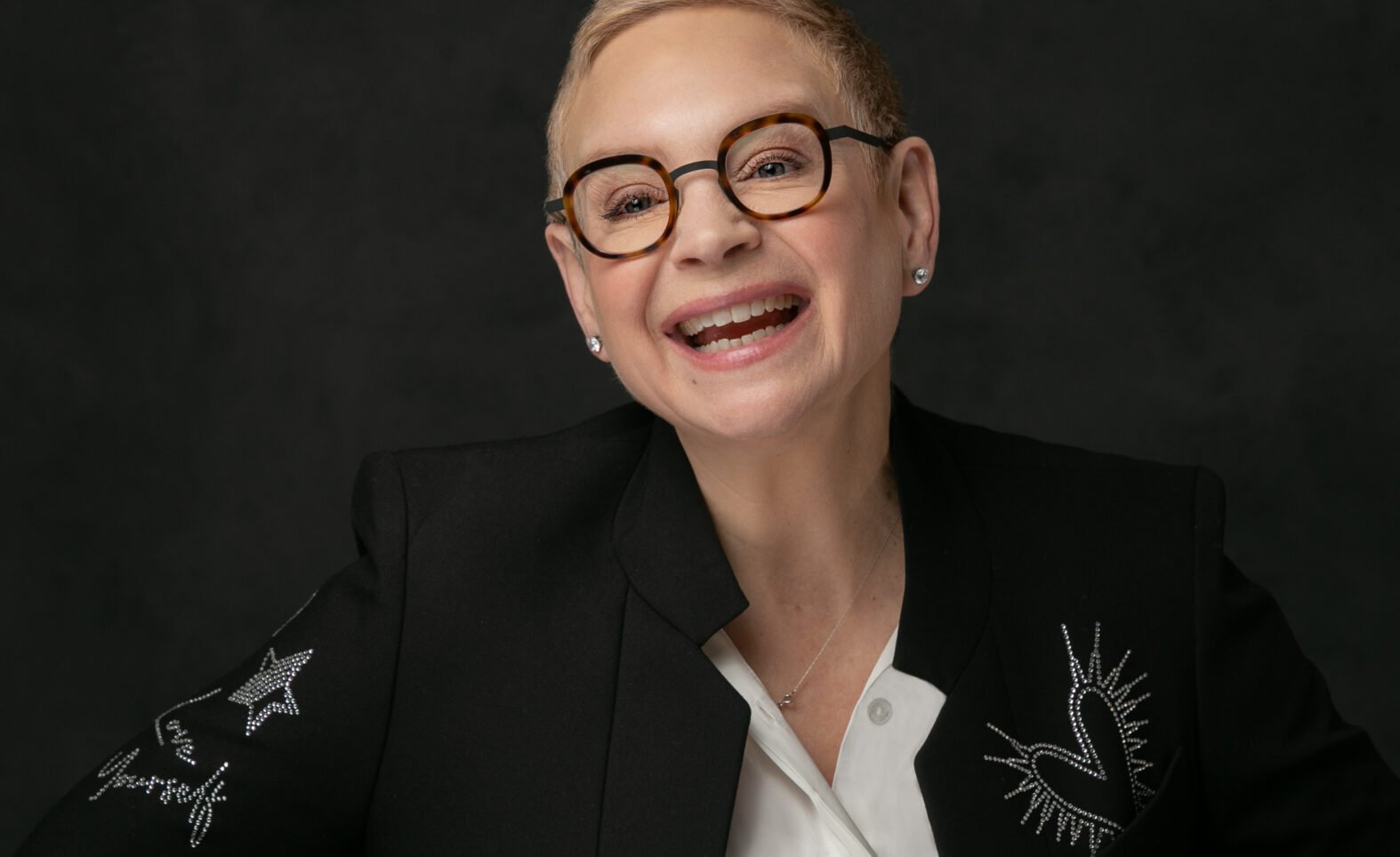
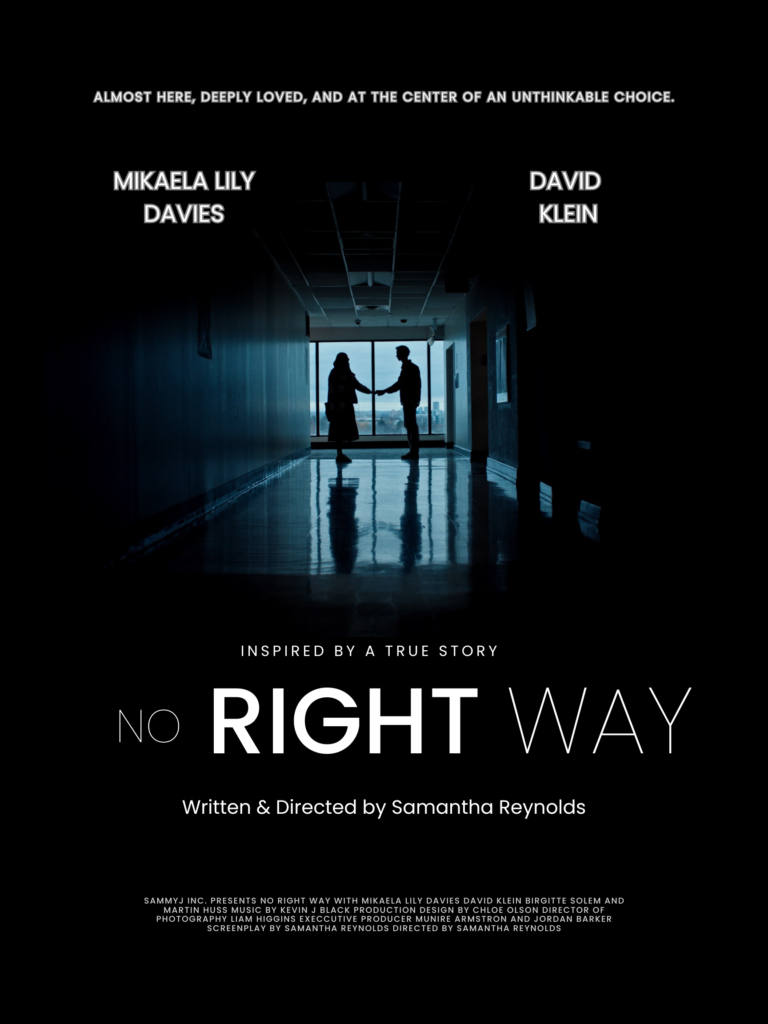
Grief can be difficult to explain, especially when it follows a decision that few people around you have had to face. In her short film ‘No Right Way’, Samantha Reynolds draws from her own experience to tell the story of Nadine and Johnny, a couple confronted with a devastating diagnosis late in pregnancy.
Written intermittently over a decade, the film grew from a personal calling to give voice to an experience she felt cinema rarely explored. Through silence, performance, and a visual approach shaped by water and shades of blue, Reynolds makes room for the couple’s shared loss and their individual responses to it.
In this conversation, she discusses translating that experience to the screen, trusting her actors, and finding the courage to tell a deeply personal story.
Samantha: Since I was a teen I have been quite obsessed with films. I would read all the film magazines out and collect movie posters and memorabilia. I just knew that I wanted to tell stories but at that time didn’t know exactly how.
Samantha: I used my personal experience for two reasons. The first was that it was a subject matter that is uite unexplored in cinema and I wanted to give it a voice and the second was simply an inner calling. I told my husband and producing prtner that I had to make this film. I just had to. I had been writing the script off and on for a decade.
Samantha: It allowed me to express the dilemma and gravity of the decision Nadine and Johnny face, and to show that it was not made lightly. It also allowed me to show the complexity of the procedure Nadine goes through.
Samantha: Liam Higgins, the cinematographer, and I decided on a blue hue throughout the film, since water plays a significant role in both the animation and the live action. We also pulled reference images from other films to help us define the look. For me, the emotional journey the characters took was of utmost importance, and blue became our way of carrying that feeling through every scene.
Samantha: A lot of credit goes to them. We did meet twice for rehearsals where we discussed each character and their relationship but the trust was all them. I purposely cast actors who had extensive theatre training and experience as I knew they would have to go to deep emotional places almost on cue.
Samantha: Capturing the struggles both characters faced was important to me. For parents who have been through a similar experience, this is a struggle that others rarely see, and it is heart-wrenching. Giving Nadine and Johnny the space to experience these emotions was essential. It also shaped how I approached dialogue: I am not a fan of films with unnecessary or overly expositional dialogue, so I let silence and performance carry the emotion.
Samantha: Of course in a feature I could include much more but the short format has been enough for me. I believe it says exactly what I wanted.
Samantha: Writing the script over the last decade helped me understand the experience, because I had to re-live it many times. Making the film, however, didn’t change that understanding, but it did solidify for me the resilience that other parents and I have to show.
Samantha: Yes. The people who have seen the film do connect to the characters and the material and also love the acting and cinematography. We are currently looking for a festival home for the film and I am looking forward to watching it with a larger audience.
Samantha: Do not hold back. Be brave and tell your story the exact way you want to.
Reynolds’ experience with ‘No Right Way’ speaks to the patience and courage it takes to tell a personal story. Years of returning to the script helped her understand her loss, while making the film affirmed the resilience demanded of parents who have faced similar circumstances. With early viewers connecting to its characters, she now hopes to find a festival home and share the film with a wider audience.
Her advice to other filmmakers carries the conviction that brought her own story to the screen: be brave, trust what you want to say, and permit yourself to say it in your own way
For producer Savory Liu, filmmaking is not just a profession. It ...
Anthony Maras’ 'Pressure' is the kind of war film that understands ...

Leave A Reply