Venom: The Last Dance – A Familiar Groove with New Beats
Tom Hardy returns as Eddie Brock, the chaotic yet endearing journalist ...

Natalie Schwan’s ‘Last Stand at Butte City’ is, on the surface, a classic Western about a woman refusing to surrender her land to the inevitable march of progress. Look a little closer, however, and it reveals itself as something far more intimate. Beneath the sweeping landscapes, the period costumes, and the looming threat of the railroad lies a deeply personal story about grief, trauma, and the emotional prisons we build for ourselves long after life has moved on.
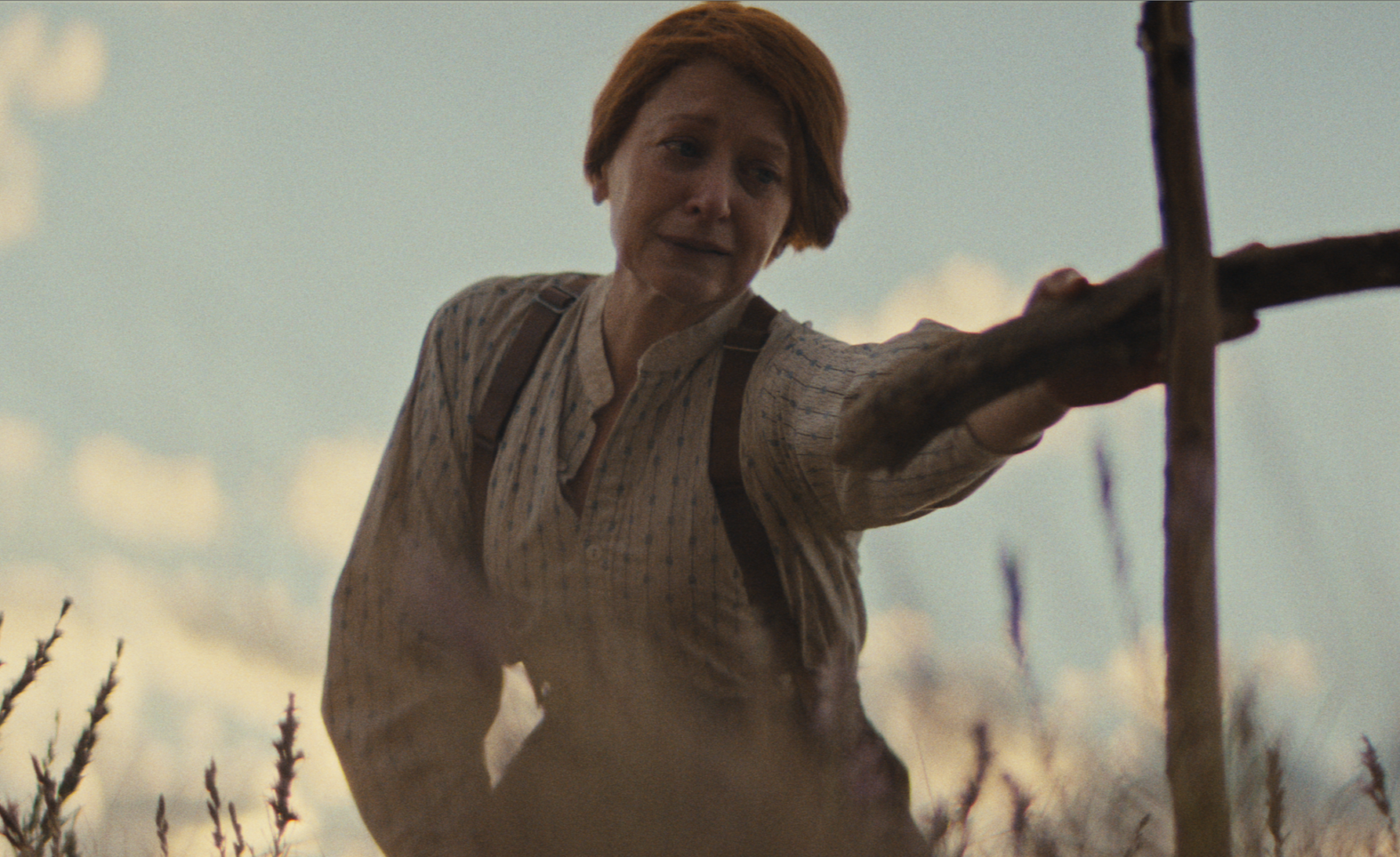
Set in 1880 Montana, the short introduces us to Charlotte, a rancher in her late fifties who has lived alone on her homestead for more than three decades. The opening wastes no time establishing both its world and its conflict. Stunning shots of Montana’s plains and mountains immediately immerse us in the era before Charlotte watches representatives of the Northern Pacific Railway leave yet another eviction notice on her doorstep. From there, the narrative carefully begins peeling back the layers of her protagonist through fragments of memory that reveal a very different life. She once had a husband, a child, and hope for the future.
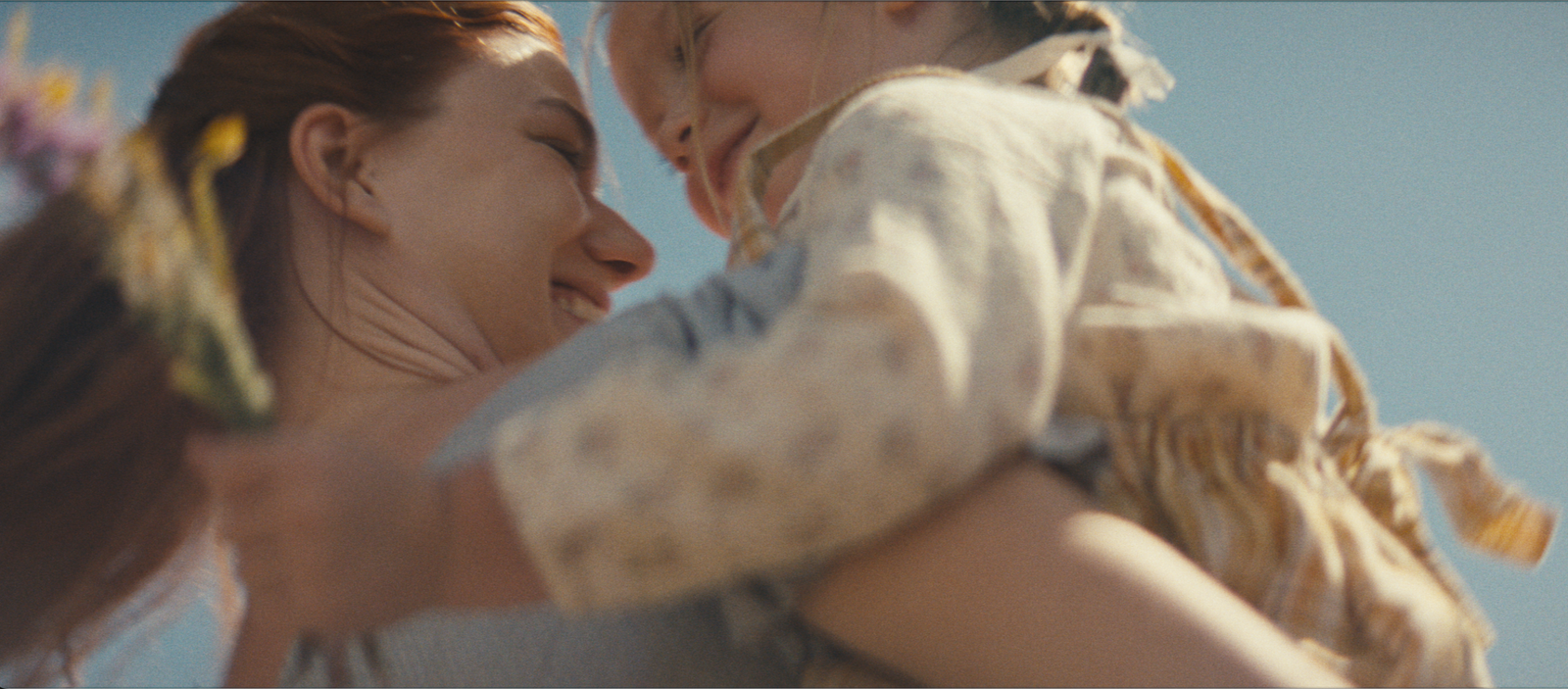
The brilliance of the screenplay lies in how it slowly transforms what initially appears to be a land dispute into an emotional excavation. Charlotte isn’t simply fighting to keep her ranch. She’s protecting the last physical connection to a life that has long disappeared. Over the years, the ranch has become less of a home and more of a monument to unbearable loss. Her husband was killed, she lost her child, and she herself survived assault in a home she hoped she was safe in. Every inch of that land carries memories that are both comforting and devastating.
As the deadline to vacate draws closer, Charlotte’s emotional state deteriorates from quiet denial into desperate determination. Every warning from the sheriff and every reminder from the railway forces her deeper into the wounds she has spent decades refusing to confront. The conflict becomes less about resisting eviction and more about resisting the possibility of letting go.
Kerry O’Malley delivers an emotionally grounded performance as the older Charlotte, carrying much of the film almost entirely on her shoulders. There is remarkable restraint in her portrayal. Rather than relying on dramatic outbursts, she communicates years of loneliness, fear, and exhaustion through silence, subtle expressions, and body language. It’s the kind of performance that allows the audience to feel the weight Charlotte carries without the film having to constantly explain it.
Equally deserving of praise is Jamie Lynn Richards as the younger Charlotte. Though her screen time is considerably shorter, her performance provides the emotional foundation upon which O’Malley’s character rests. Together, the two performances feel like different chapters of the same person rather than separate portrayals, making the transition between past and present feel seamless.
One of the film’s more thoughtful creative decisions is its handling of the flashbacks. Rather than relying on obvious visual cues, Schwan opts for subtle changes in the colour palette. The memories carry slightly richer, more vibrant tones, while the present-day narrative leans into earthy browns and muted shades that mirror Charlotte’s emotionally stagnant existence. It’s a restrained but highly effective choice that allows viewers to navigate the shifting timeline without confusion. Combined with smooth editing, the narrative flows effortlessly despite constantly moving between different periods of Charlotte’s life.
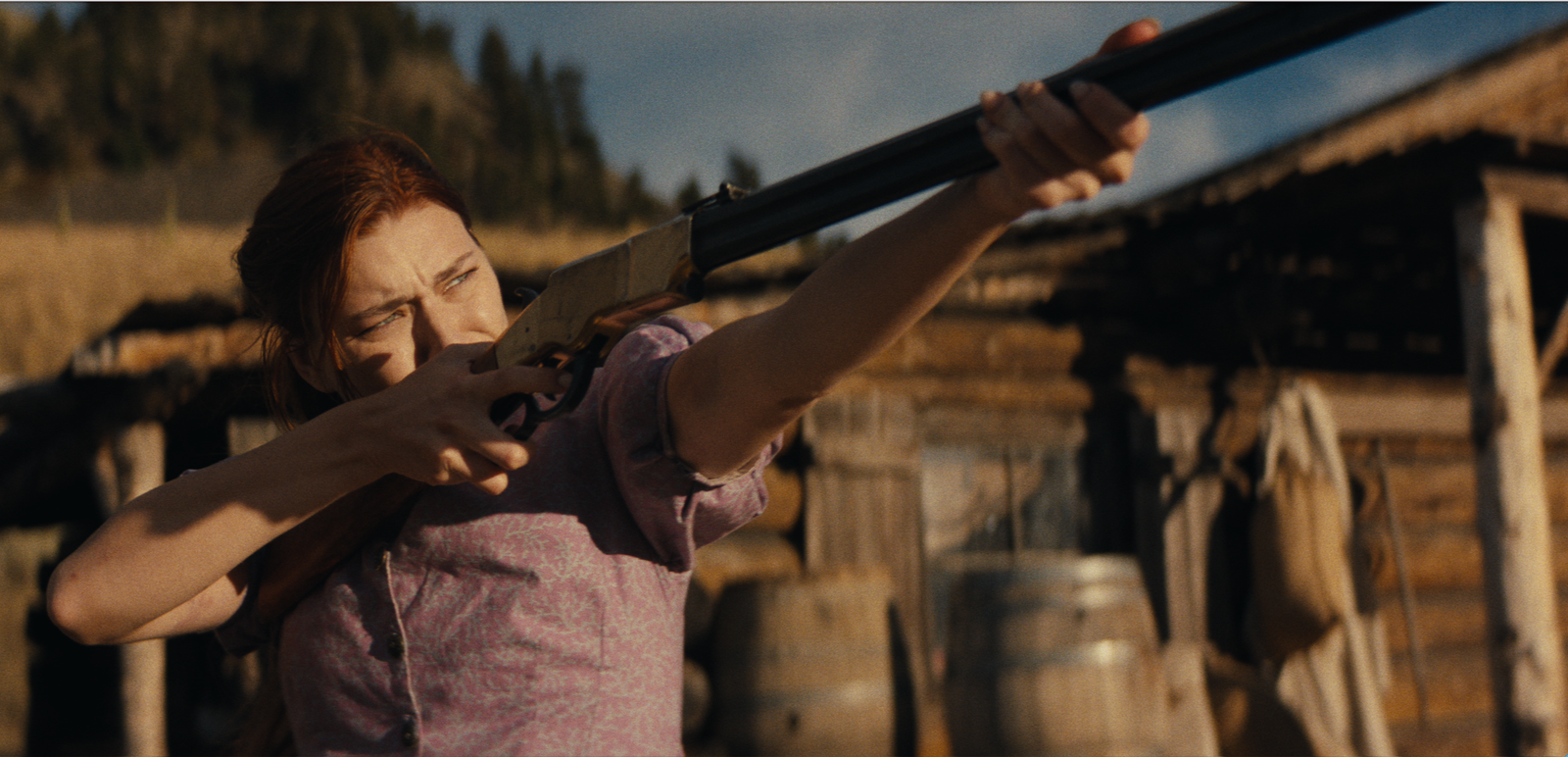
Visually, ‘Last Stand at Butte City’ embraces every hallmark of a well-crafted Western. From its production design and authentic costuming to its cinematography and musical score, every creative department works together to recreate the atmosphere of the American frontier. Nothing feels artificial or overly stylised. Instead, the film confidently embraces the genre while allowing its emotional core to take centre stage.
Yet the Western aesthetic ultimately serves as the backdrop for a much more universal conversation. This is a story about the wounds we continue to carry long after they’ve shaped us. It’s about how grief can become identity, how trauma can quietly dictate our choices, and how the fear of change can keep us anchored to places that no longer allow us to grow. Charlotte’s battle against the railroad gradually becomes a battle against herself. Perhaps that’s Schwan’s greatest message: sometimes the hardest fight isn’t holding on. It is finding the courage to let go.
If I have one disappointment, it’s that the film ends just as it feels ready to expand. To be fair, the story Schwan sets out to tell reaches a satisfying emotional conclusion within its runtime. Still, Charlotte is such a compelling character that I found myself wanting to spend more time with her. The world, the emotional depth, and the narrative all feel rich enough to support a feature-length adaptation with an even more rewarding third act and climax.
Tom Hardy returns as Eddie Brock, the chaotic yet endearing journalist ...
Kim Anno and Kyung Lee’s documentary ¡Quba! is a deep dive ...


Leave A Reply