
In Conversation: Dalton Zongshian Lu Shares With Us His Vision and Passion for Authenticity in Film.
Most stories come alive by a magical touch and a lot ...

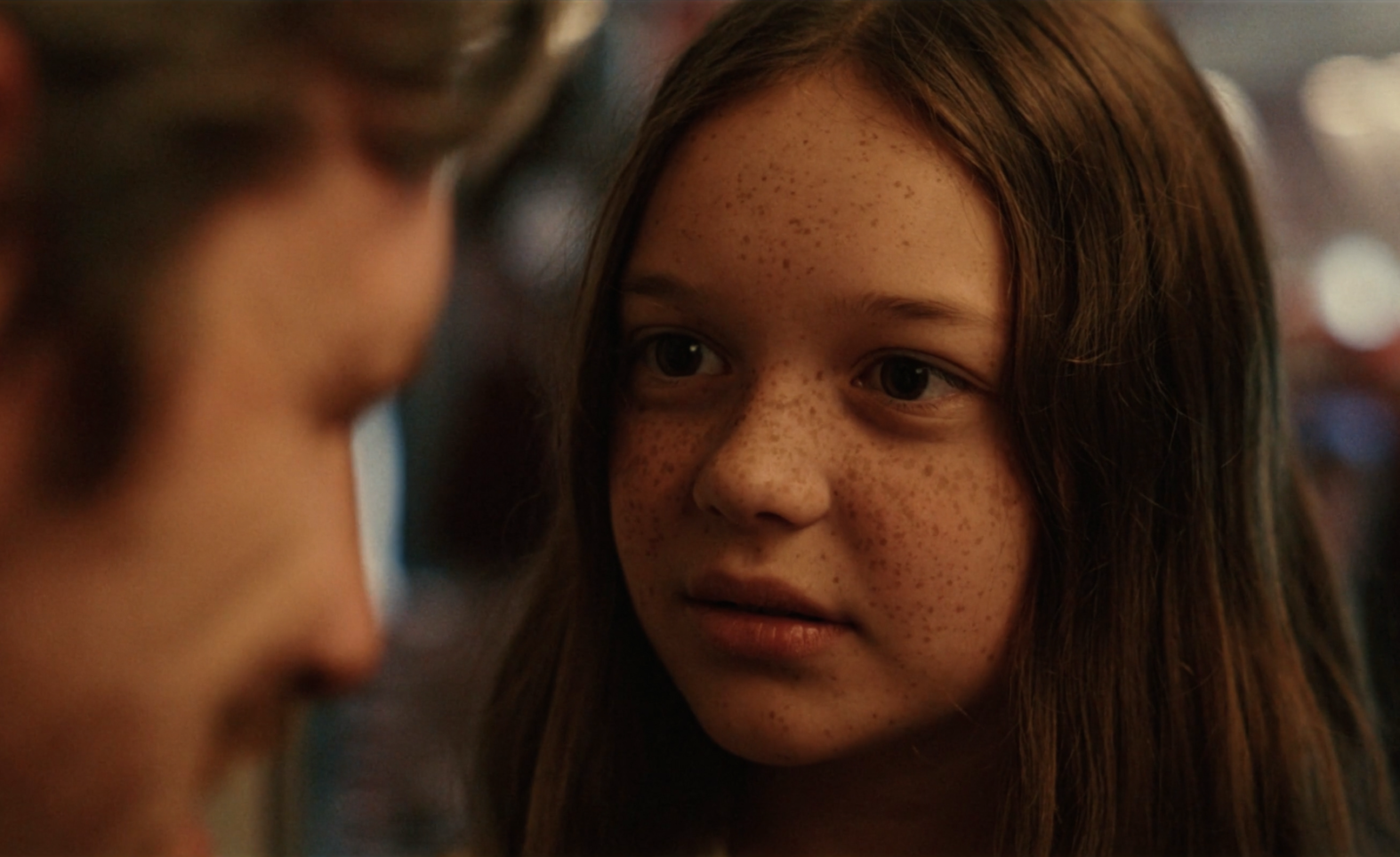
Ali Marsh’s ‘Pittsburgh’ is a simple short film, but it carries a kind of emotional honesty that lingers long after it ends. It does not try to impress with big moments. Instead, it sits with something many people recognise but rarely talk about. Which is the first time a child begins to see adults clearly, without the illusion of certainty.
The story is set in 1979, and the centre of it all is nine-year-old Mints, a girl who already feels slightly older than her years. What begins as a simple trip back home quickly turns into something more complicated when her flight is diverted, leaving her in unfamiliar hands for the night. It is within this unexpected detour that the film finds its heart.
Mint’s quiet observation of the adults around her is the through focus of the story. Her father, though loving, is emotionally unstable. The stewardess meant to look after her is distracted and irresponsible. Even the seemingly warm grandmother figure offers only temporary comfort. None of these adults is a villain, but none of them feel dependable either. And that is where the film becomes most honest, it refuses to exaggerate or judge.
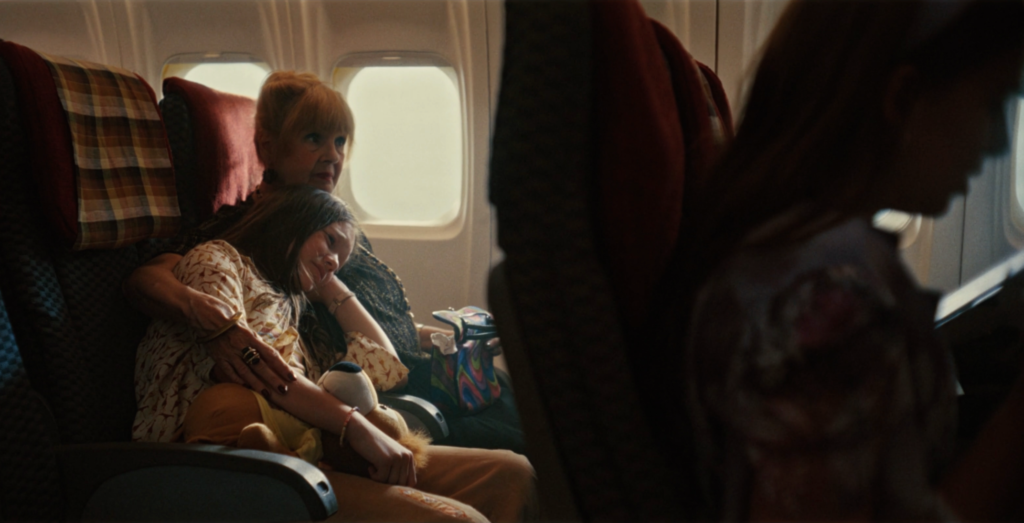
Ali Marsh directs this with a kind of restraint that feels deliberate. She does not rush Mints’ journey or force emotion onto the audience. Instead, she allows moments to breathe. Small interactions, awkward silences, and subtle disappointments slowly build into something deeper. You feel the shift in Mints not through dramatic events, but through her growing awareness.
It’s impressive how this film tries to explain childhood from this unique perspective. We don’t see Mint as overly innocent, nor does it she seem unrealistically wise. She exists somewhere in between, still a child, but one who is beginning to question the world around her. That balance is important because it makes her final decision feel earned rather than forced.
Delaney Quinn’s delivery of the character Mint is central to all this. She makes us, the viewers, see exactly what the filmmakers’ intentions are for this film. Mints is not just passing through Pittsburgh; she is learning how to stand on her own. And the young actor’s performance is key to making all of this work. She literally carries the film right through to the end. She listens, reacts, and absorbs. Her expressions do most of the talking, and it is in those quiet moments that we understand what she is going through. And in that way, we get to see how flawed the adults around her are.
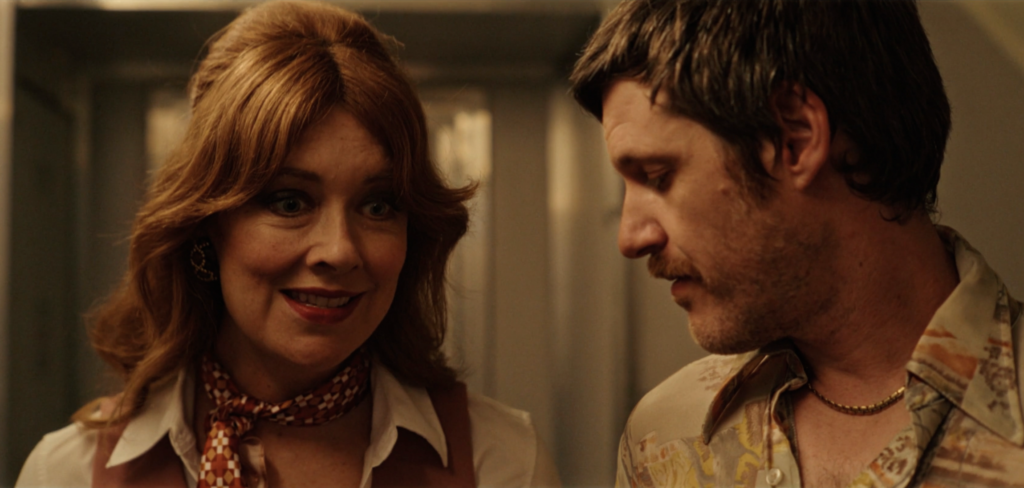
The 1979 setting plays more than just a visual role. The look and feel shape the entire atmosphere of the film and, without a doubt, were excellently executed. You can’t help but notice how times were different in that era, where it seems children were given a bit more responsibility, perhaps out of necessity or just as a way to force growth. The film captures this without romanticising it. There is a sense of freedom in that independence, but also a quiet danger.
There is also a gentle humour running through the film, though it never undercuts its emotional weight. It comes from the absurdity of situations and the unpredictability of people. This balance keeps the film from becoming too heavy, allowing it to feel real rather than overwhelming.
What makes Pittsburgh resonate is its simplicity. It does not try to resolve everything. It does not offer easy answers or dramatic closure. Instead, it builds toward a small but meaningful shift. One that can be relatable for all of us, that ends a certain kind of innocence.
Sometimes, it is about a single night, a series of small disappointments, and the realisation that the people you depend on are still figuring things out themselves.

Most stories come alive by a magical touch and a lot ...
After years of speculation and a prolonged silence from the studio, ...


Leave A Reply