In Conversation: Trace Pope on ACT UP, Fauci, and the Politics of Memory
History has a way of being softened with time. It polishes ...

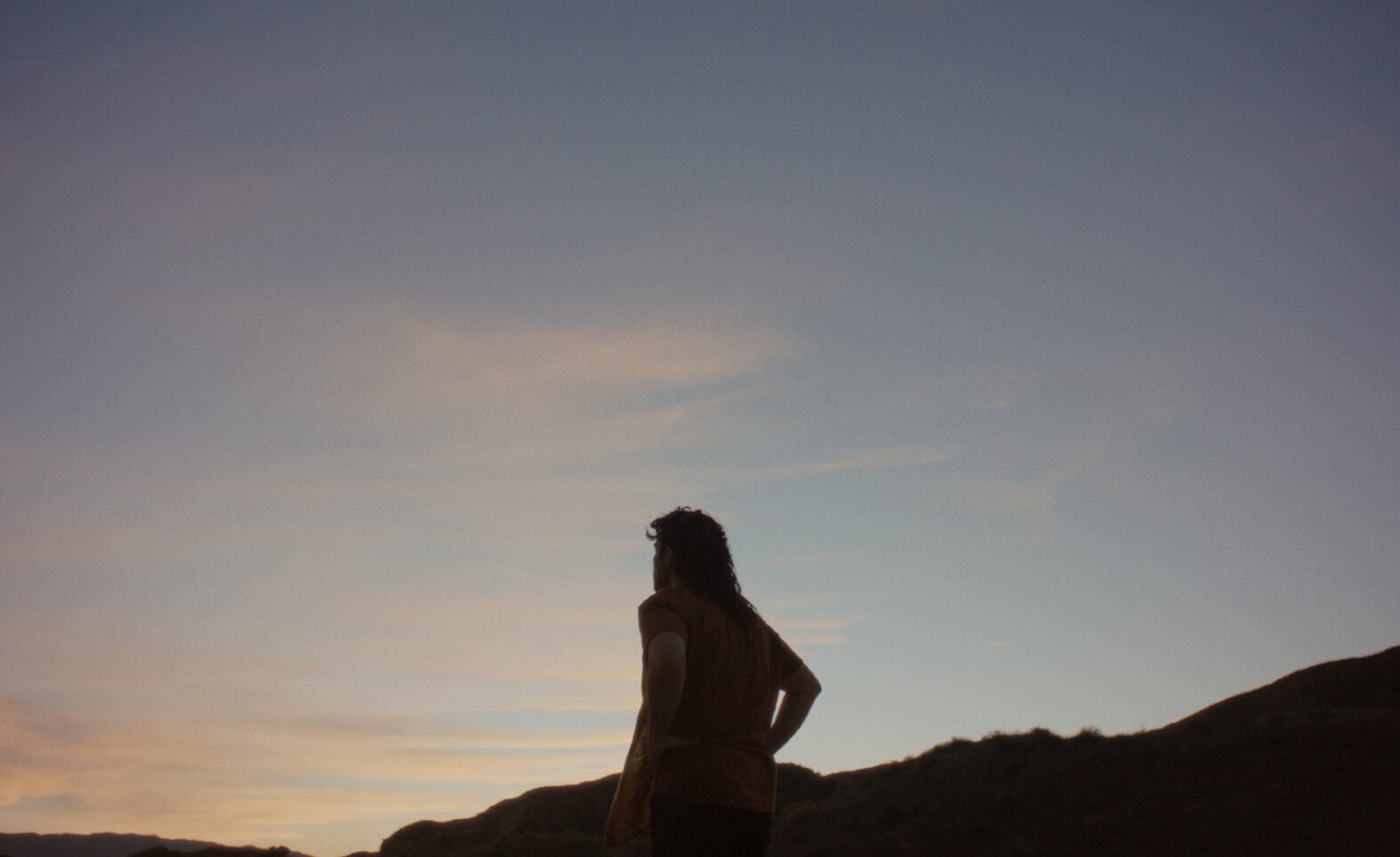
What does it mean to refuse when refusing could get you into trouble? Sometimes rebellion is loud and obvious. Other times, it can be as simple as a man deciding that he does not want to cut his hair.
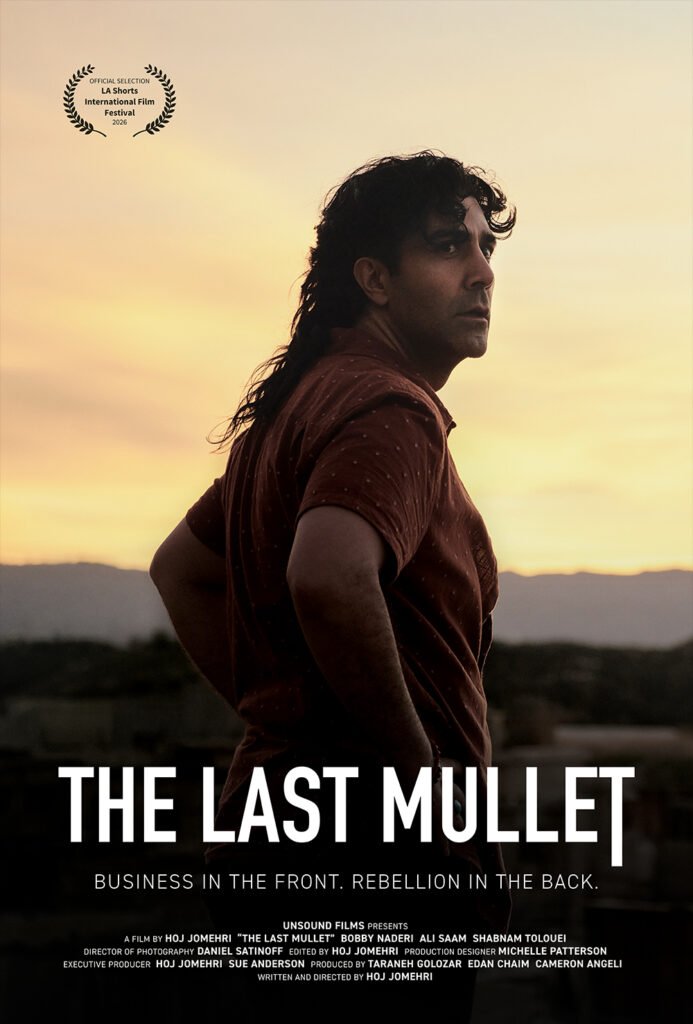
That is the rather unusual but fascinating idea at the heart of The Last Mullet, directed by Hoj Jomehri. Set in Iran in 2010, the film draws from the real-life restrictions imposed by the country’s Ministry of Culture and Islamic Guidance, including a ban on what were considered “Western hairstyles.” For Shervin, the film’s lead character, a spirited man proud of his mullet, this is no small inconvenience. His hairstyle has become part of who he is, and suddenly something so personal has become a reason for the state to come after him.
There is something almost funny about the premise until you realise how serious the consequences are. Shervin is not carrying a weapon. He is not leading a protest. He simply has a mullet, a western hairstyle that the regime frowns at. Yet when he finds himself being pursued by government enforcer Siavash and his men, the hairstyle becomes a symbol of much more than fashion. He has to run, hide and ultimately ask himself whether holding on to this small part of himself is worth the risk of being caught and publicly humiliated.
One of the things I particularly enjoyed about the film is how quickly it establishes this atmosphere. The opening image of Shervin walking while repeatedly looking over his shoulder immediately creates a sense that something is wrong. There is no need for a long explanation. His body language tells us enough. He is a man who knows he needs to be careful.
And perhaps that is where the film becomes more than a story about a ridiculous hairstyle ban. That scene captures what living under oppression can feel like: the constant fear of doing something that might attract the wrong kind of attention.
Cutting your hair should mean absolutely nothing. Yet in Shervin’s world, it could mean humiliation, punishment or worse.
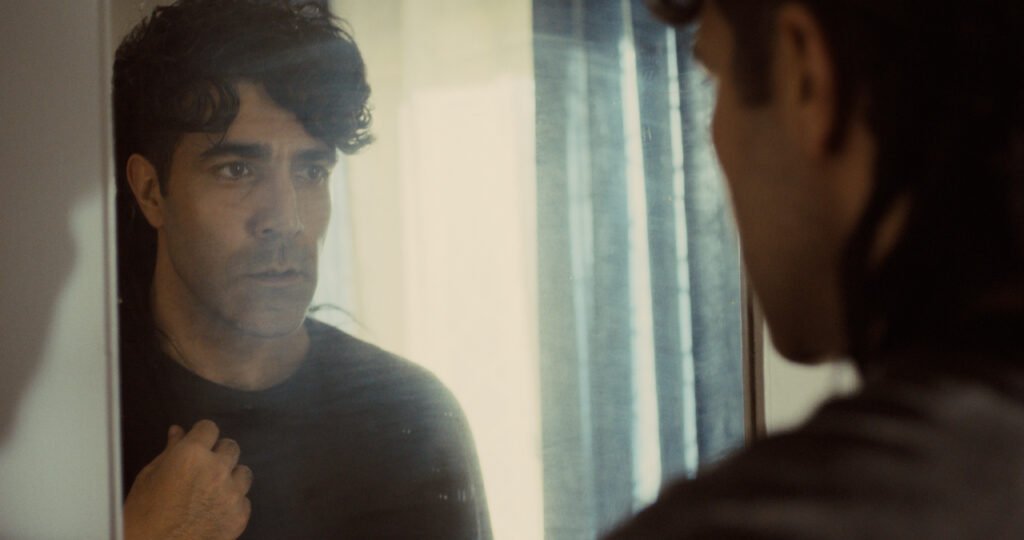
Bobby Naderi is excellent in his portrayal of Shervin. There is a vulnerability in his performance, but there is also a spark of defiance. You can see the fear in his eyes, but you can also see that he is not entirely ready to give up. That balance makes his character easy to connect with.
Technically, The Last Mullet is also a beautiful little film. The cinematography gives the story a strong cinematic identity, while the sound design helps build tension around Shervin’s situation. The fact that much of the film is in Farsi and requires subtitles never becomes a barrier to understanding what is happening. The visual storytelling does a lot of the work.
My biggest disappointment is that it is just 11 minutes long. ‘The Last Mullet’ does not have the luxury of wasting time, and thankfully, it doesn’t. But you can’t help but acknowledge that it has the scope to tackle much more. And sadly, this film leaves you wanting more of that. You would want to see the regime crumble and the freedom that gets expressed even through choices of hairstyles.
Granted, that might not be the story Hoj Jomehri is telling now. Yet still, beneath the humour of this short piece is a thoughtful conversation about identity, pride and the lengths people will go to preserve a sense of themselves. Because maybe the mullet was never really the point.
Sometimes you have to bend without completely breaking. Sometimes survival requires a compromise. But giving up one outward expression of yourself does not necessarily mean giving up who you are inside. And that is perhaps the film’s most interesting message: the rebellion may change shape, but it does not necessarily end.
History has a way of being softened with time. It polishes ...
The Movie Partnership have announced that their survival thriller, Escape, will be released ...

Leave A Reply