A Minecraft Movie — A Blocky Tale with Heart, but Not Without Cracks
Adapting a video game into a film has always been a ...

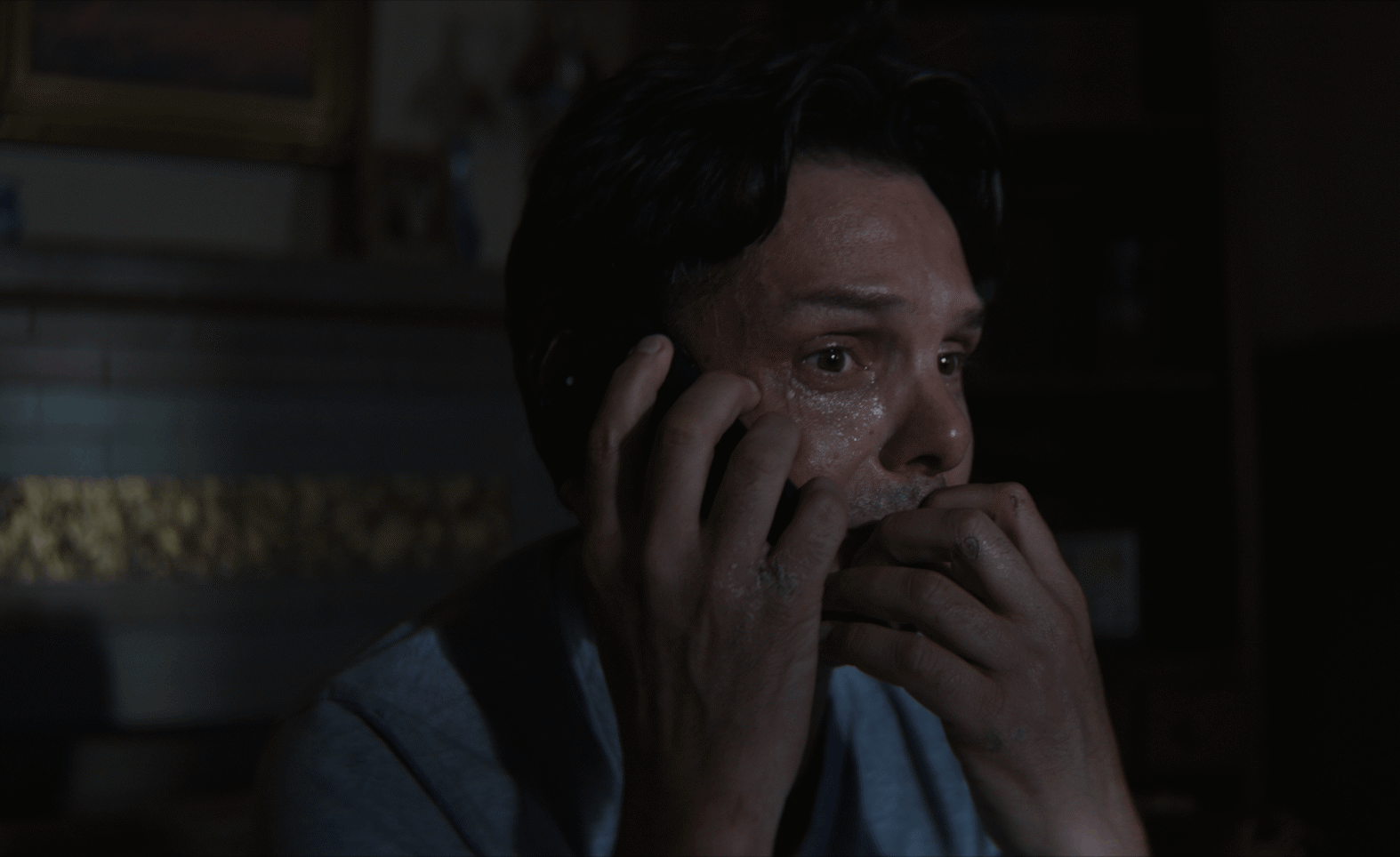
Written and directed by Hamish Sturgeon, who also stars as Jack, ‘Gossamer’ is a quiet and intimate drama about grief, identity, loneliness and the difficult journey towards accepting oneself. It is a film that does not necessarily tell you what to think. Instead, it places you inside the emotional and psychological space of a young man who is struggling to confront truths he has spent a long time hiding.
Jack is grieving the passing of his grandmother, but his grief is only one part of what is weighing him down. An eviction notice adds another layer of pressure, forcing him to confront a life that appears to have become stagnant. Yet, as the film progresses, it becomes clear that Jack’s biggest struggle is not necessarily his circumstances, but himself. There is a fear of going out, of being seen and, perhaps most importantly, of being rejected.
“I just don’t want to go out there,” a remark that is shared at one point in the film. This says much more than it initially appears to. It is a choice rooted more in fear than circumstance. Jack has created a world in which remaining hidden feels safer than confronting the possibility of rejection.
That internal struggle is given a fascinating visual representation through Shirley, a beautiful and confident woman who appears as a projection of the identity Jack is struggling to live with. Played by Natalie Mitchell, Shirley is everything Jack seems unable to be. She is confident, brave and vocal. She is not simply another character in the story; she becomes an important part of Jack’s emotional and psychological journey.
Sturgeon delivers a strong performance as Jack, bringing considerable depth to a character carrying so much internal conflict. Perhaps, considering that he is also the writer, he is the best person to have played this role. He understands the character from the inside out, and his performance becomes the emotional anchor of the narrative. His portrayal effectively captures the mental struggle of someone caught between who he is, who he wants to be and who he fears society will allow him to become.
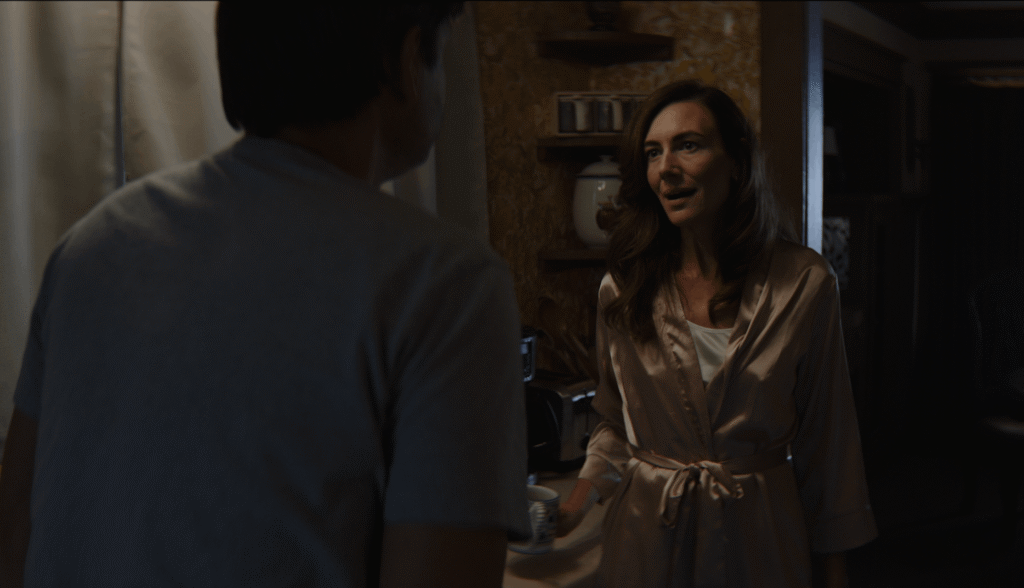
Natalie Mitchell, meanwhile, brings a different kind of energy to the film as Shirley. Her performance complements Sturgeon’s beautifully, giving the character a confidence and presence that makes the relationship between Jack and his alter ego particularly compelling.
Another element that works remarkably well is the editing. Stephen Lambriodes’ work gives ‘Gossamer’ an intriguing rhythm and structure, and the film demands that you pay close attention to understand exactly what is happening. The transitions between Jack’s reality and his internal world are handled with enough subtlety to keep the viewer questioning what is real and what exists within his mind.
At 21 minutes, ‘Gossamer’ also makes very good use of its runtime. The film never feels unnecessarily stretched, and its pacing keeps the story moving without rushing its emotional moments. In fact, you barely notice how long the film is.
What I particularly appreciate about Gossamer is the way it recognises that everyone handles grief differently. For some, moving forward may come relatively easily. For others, grief becomes a reason to hold on and remain stagnant. Either way, everyone deserves some form of support while navigating loss.
At its heart, the film suggests that acceptance truly starts with accepting yourself. Before expecting the world to understand who you are, there is a need to believe in and embrace that person yourself.
My only reservation is that I wished Gossamer had provided a little more clarity towards the end. Its ambiguity is intentional, but it also leaves the viewer struggling to find some answers that might have made the emotional resolution more satisfying.
Nonetheless, Gossamer is a beautiful and intimate drama about human connection, grief and the courage it takes to be seen. It may not provide all the answers, but perhaps its greatest strength is in encouraging us to ask questions about ourselves, the identities we hide and the acceptance we all quietly seek.
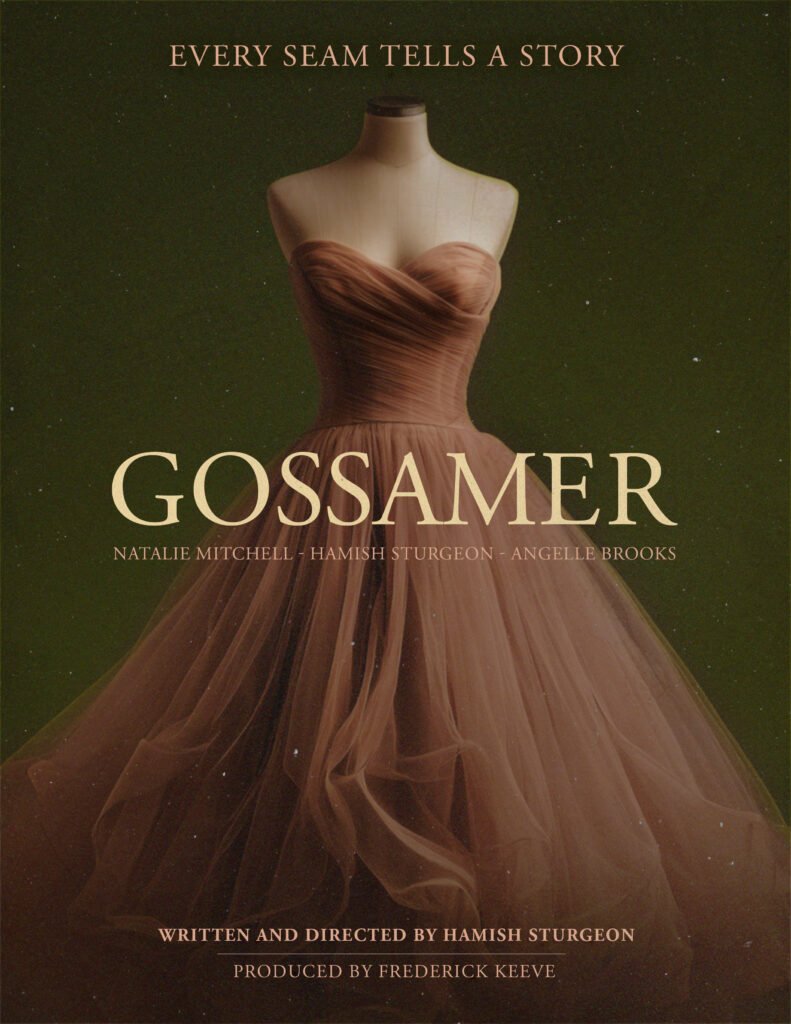 Rating: 3/5
Adapting a video game into a film has always been a ...
Yumeng He’s short documentary 'The Other Side of the Mountain' feels ...


Leave A Reply