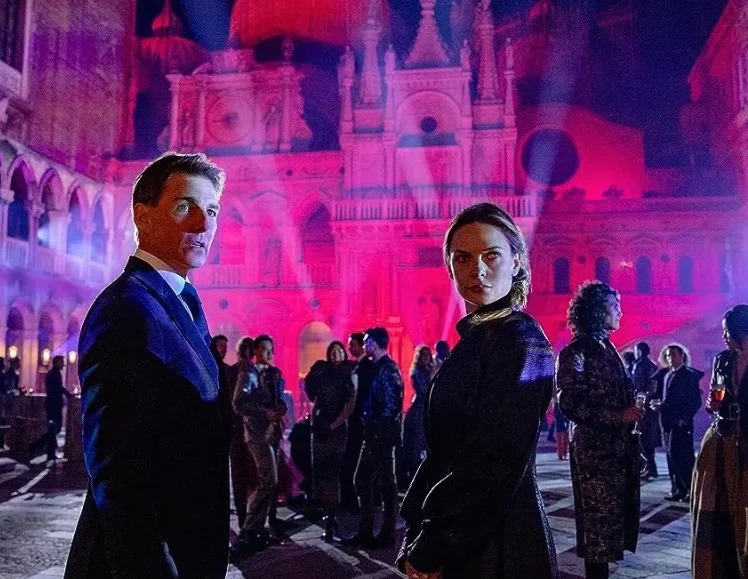
Mission: Impossible – The Final Reckoning – The Perfect Bow Out.
Tom Cruise returns for what feels like one last waltz with ...
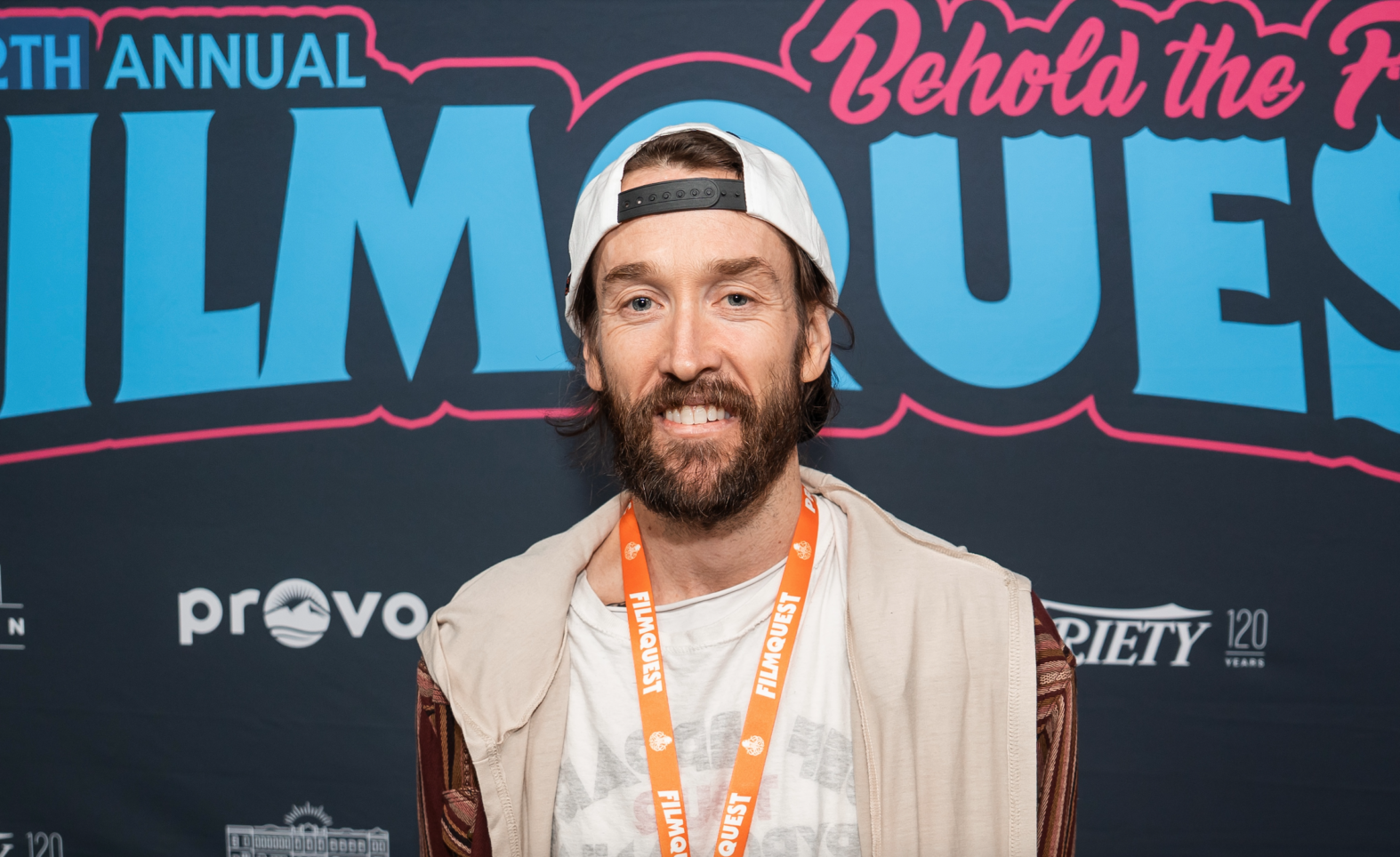
For filmmaker Donnie Hobbie, horror and heavy metal share the same rebellious DNA. Both thrive on the fringes, both are fueled by passionate communities, and both continue to flourish despite recurring predictions of their demise.
With his latest feature, Jump Scare, Hobbie channels that spirit into a blood-soaked horror-comedy about an all-female metal band whose creative retreat turns into a fight for survival against a family of cannibals.
Beneath the film’s outrageous premise lies a deeper reflection on artistic authenticity, independent filmmaking, and the challenges creatives face in an increasingly commercialised landscape.
In this conversation, Hobbie discusses the influence of music on his storytelling, the film’s distinctive aesthetic, the importance of taking creative risks, and why he believes independent horror remains one of the most exciting spaces in modern cinema.
Donnie: I think they really came into my life at the same time. For me, music has never been an afterthought—it’s part of the storytelling from the very beginning. It’s often written into the script itself. When I’m writing, I always have music playing. It helps me find the right headspace, the right rhythm, the right emotional tone. Music has this incredible ability to transform an image. A shot of a tree can simply be a shot of a tree. But pair that same image with the right piece of music, and suddenly it becomes something deeply moving. That’s the magic of cinema—the way image and sound come together to create an emotional experience that’s greater than either could achieve on its own.
Donnie: From the start, it felt like the perfect title—bold, unapologetic, a little cheap, and a lot of fun. That’s exactly what a jump scare is, and it’s exactly the kind of movie I wanted to make. The title sets the tone right away and lets audiences know they can stop taking everything so seriously and simply enjoy the ride.
Donnie: For me, metal culture represents authenticity, community, and creative defiance. Jump Scare is a film full of horror, comedy, blood, and chaos, but at its core it’s about artists trying to protect something genuine in a world that constantly tries to package, monetise, or consume creativity. The metal band at the center of the story embodies that struggle. They’re imperfect, stubborn, passionate people who keep creating because they have to. It’s a mindset: make the thing you believe in, support your community, ignore the gatekeepers, and keep going even when the mainstream declares you dead.
Donnie: Absolutely. I wanted the visuals to play a key role in the film’s identity. I’ve always loved the playfulness of wide angle lenses. I wanted the visuals to feel fun. To remind the audience that we’re here for a good time. The set design plays a huge role in that too. Working with Gabriel Bruce our art director and Seth Macmillan our DP I think we nailed the tone visually.
Donnie: They’re incredible, aren’t they! Casting the band was one of the most important parts of making the film, and I spent a tremendous amount of time searching for the right actors for each role. It was a long process because I knew the chemistry had to feel real, and each character needed someone who could bring both personality and authenticity to the screen. When I finally found them, I knew almost immediately. They each brought something unique, and together they just clicked. They’re extraordinarily talented, intelligent, and committed performers who elevated every scene they were in. Honestly, there were moments when it was a little intimidating—they were just that good. As a director, that’s exactly what you hope for. They challenged the material, brought incredible energy to the set, and ultimately became the heart of the film. I feel very lucky to have found them.
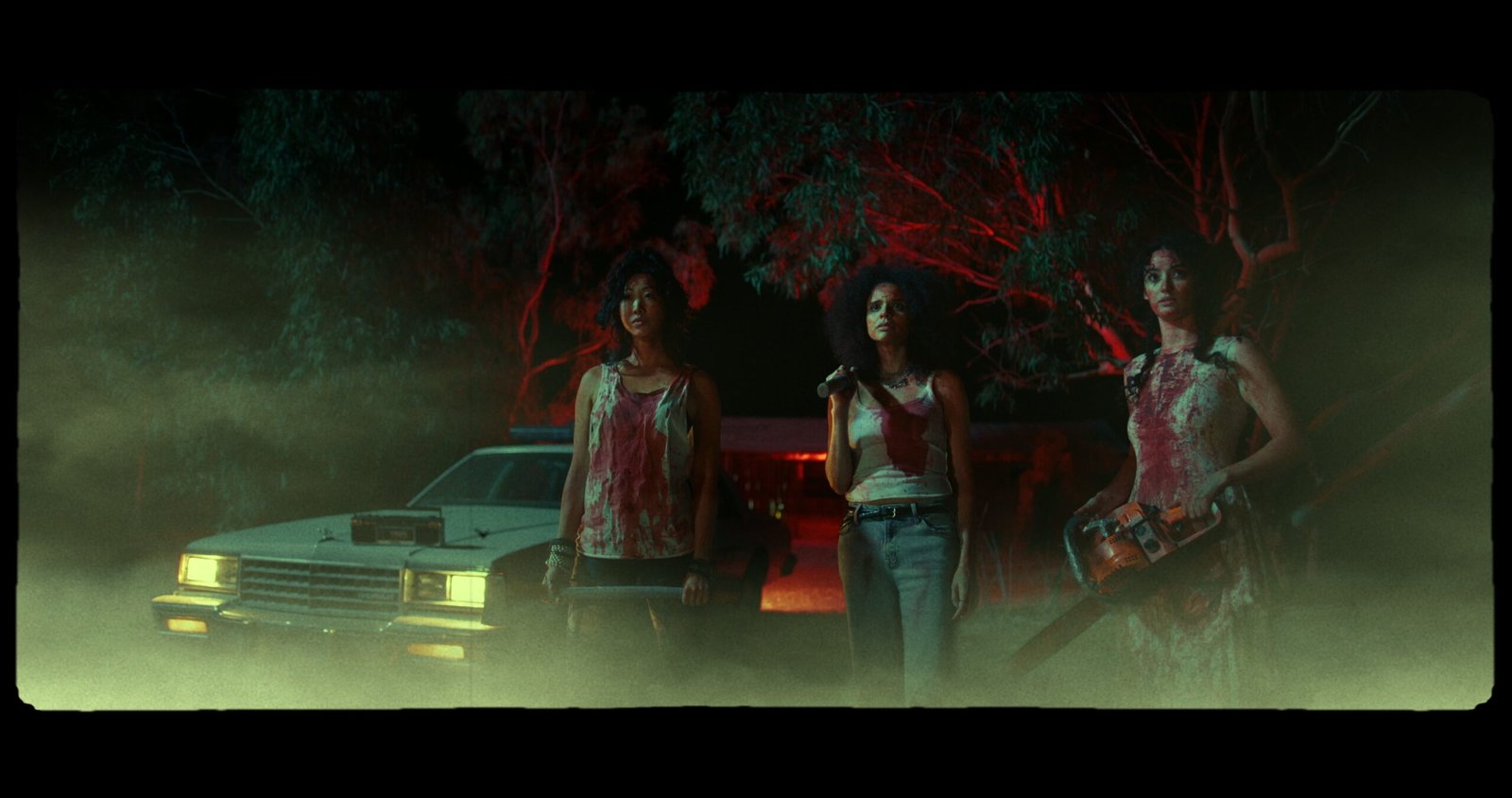
Donnie: That balance was really found during the writing process. From the beginning, I leaned more toward comedy than straight horror. When you’re blending genres, I think it’s important to decide what the film fundamentally is. Once you make that choice, everything else has a clear foundation. The scares, the gore, and the chaos weren’t competing with the humour—they were part of the joke. That clarity on the page made it much easier for everyone involved. The cast and crew understood the tone we were aiming for, so we were all making the same movie. The social commentary worked the same way. I never wanted it to feel like a lecture. If audiences are laughing, having fun, and enjoying the ride, they’re often more open to the ideas underneath. So rather than separating the horror, comedy, music culture, and themes, we tried to make them all serve the same experience. By the time we got to set, it all felt surprisingly natural.
Donnie: There were challenges daily. Time constraints forced us to be very creative. At one point, there was no time to rig the camera and lay the dolly track, so we just had Casey, our actor, hold the camera towards himself in a wheelchair as we pushed him through the house. It worked perfectly.
Donnie: I think the trailer scene with Deb and the two chainsaw maniacs captures that balance perfectly. The whole “Did I nick ya?” bit is one of my favorite moments.
Donnie: Definitely. Art has never been about perfection. It’s inherently messy. If you’re trying to say something genuine or create something that doesn’t fit neatly into a category, you’re taking a risk—and that’s exactly where the most exciting work often comes from. I’d much rather watch a film that swings for the fences and isn’t perfect than one that’s technically flawless but has nothing to say. Independent filmmaking still gives artists permission to take those chances, and I think audiences are hungry for work that feels unpredictable, handmade, and sincere.
Donnie: It’s been incredibly rewarding. With a film like this, you never really know how audiences are going to respond, so those first few screenings were definitely nerve-racking. Thankfully, people have been laughing, having fun, and embracing the film in exactly the way I hoped.
Donnie: I think the future is incredibly bright. We’ve all seen what films like Obsession and Backrooms have been able to do—there’s a real appetite for bold, original independent horror right now. It’s an exciting time, and I just hope I can be a small part of what comes next. As for me, I’d love to make something that leans a little more serious while still keeping a comedic edge. Something in the world of, say, Zach Cregger. I have a few screenplays ready to go, so fingers crossed.
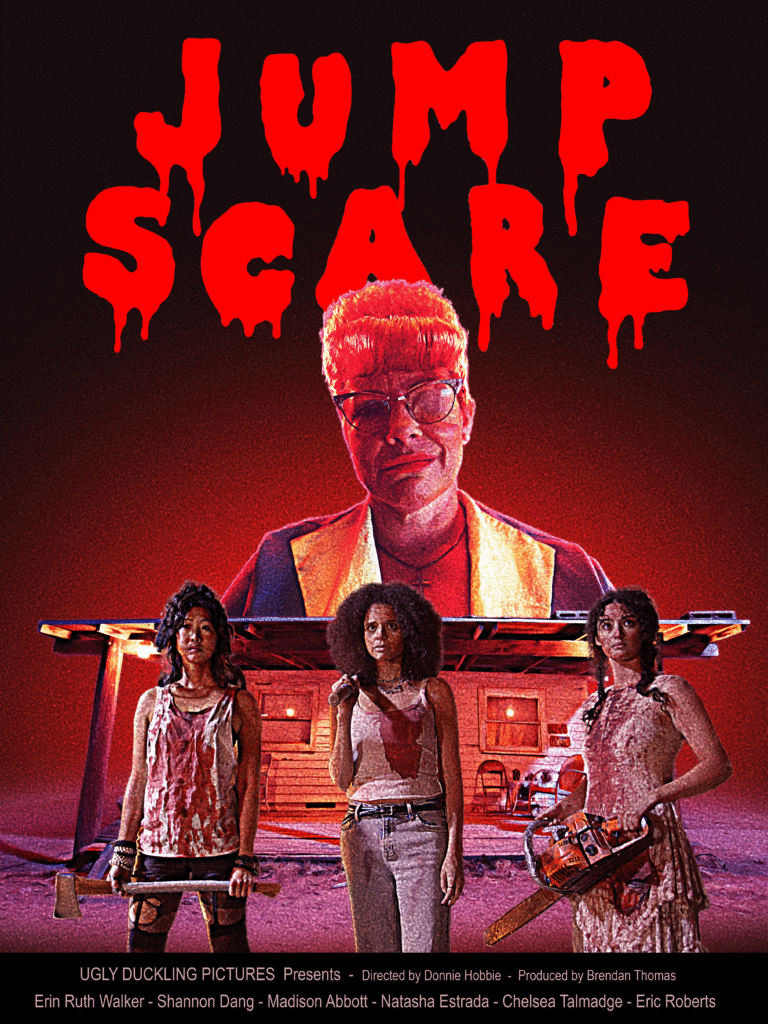
Throughout our conversation, Donnie Hobbie’s passion for both filmmaking and music is impossible to miss. Whether discussing the DIY ethos of metal culture, the collaborative process behind Jump Scare, or the value of embracing imperfection in art, his enthusiasm reflects the same fearless energy that drives the film itself.
As audiences continue to discover Jump Scare, Hobbie remains optimistic about the future of independent horror and the opportunities it creates for bold, original voices. If his latest feature is any indication, he’s a filmmaker unafraid to take risks, challenge conventions, and create work that is loud, unapologetic, and entirely his own.
Tom Cruise returns for what feels like one last waltz with ...
Edinburgh International Film Festival will open with the UK premiere of ...

Leave A Reply